
Basic Service
$89 starting · per visit
- Diagnostic visit
- Written estimate
- Same-day scheduling
- 30-day warranty
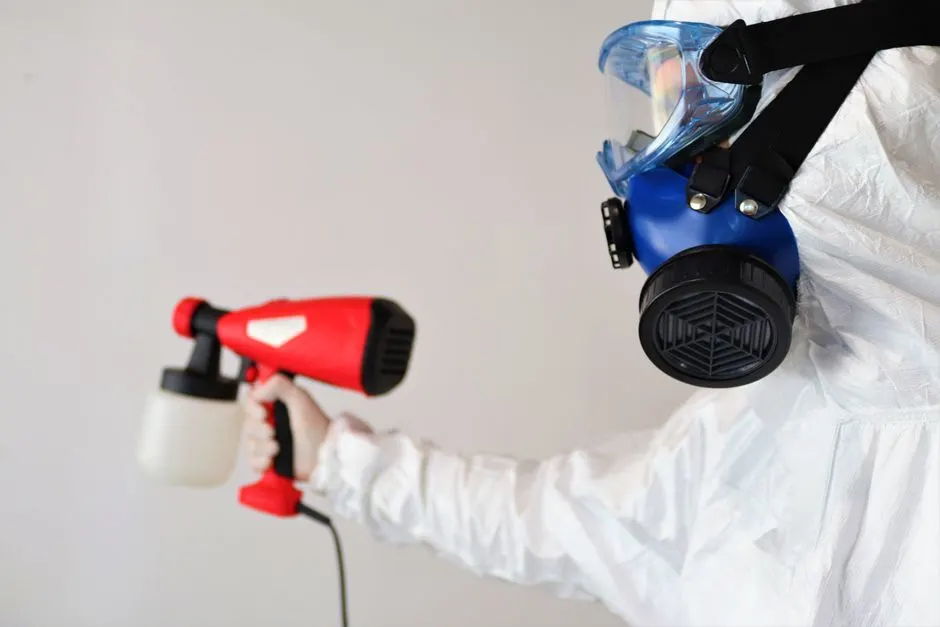
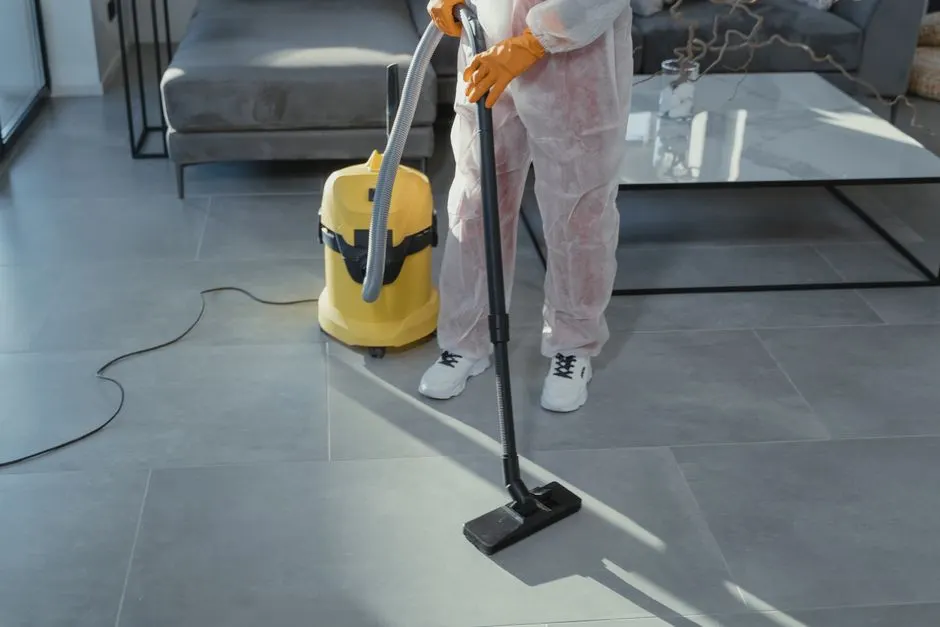
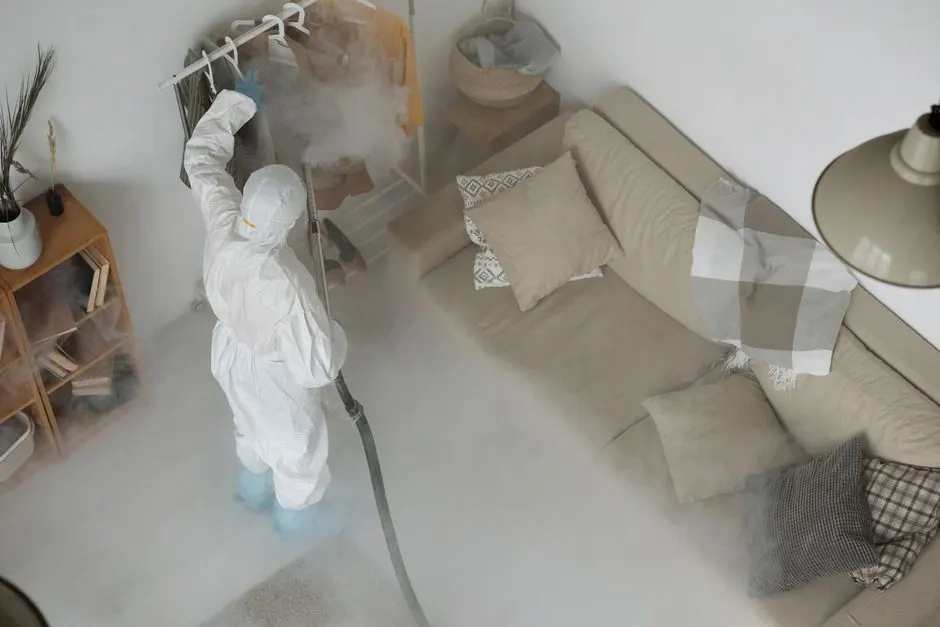
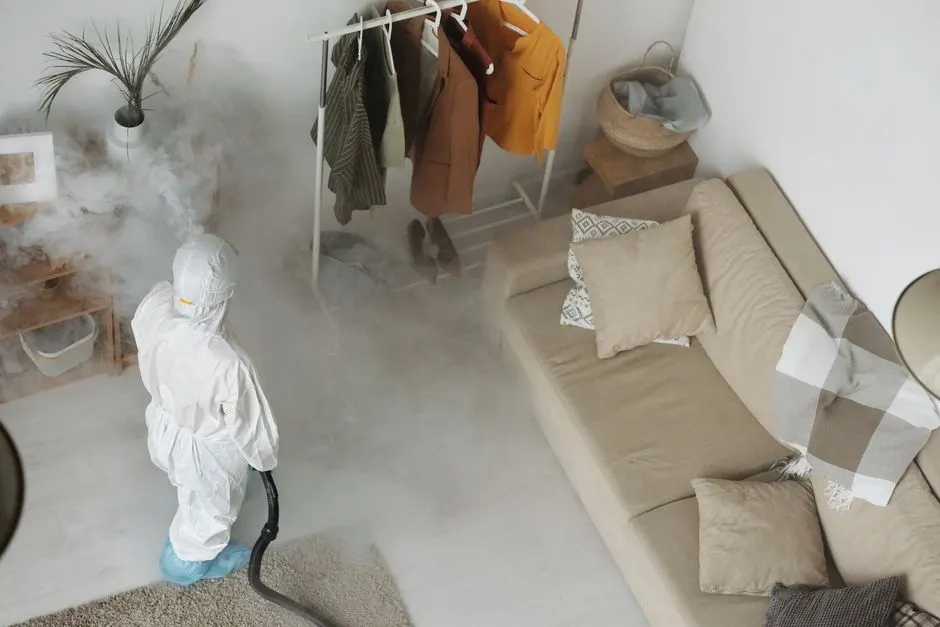
Mold removal in Whitman is a moisture-control job before it is a cleaning job. The dense rowhouse blocks between Front Street and Whitman Plaza were mostly built before 1950, and their basements sit below the water table after a heavy rain. We run thermal imaging cameras along foundation walls and use moisture meters on joists that look dry to the eye. When we find the source, we set up negative air machines and HEPA vacuums so spores do not travel upstairs while we work. Our crews hold IICRC WRT and AMRT certifications, and we follow Pennsylvania mold remediation license requirements on every job. If you search for mold removal near Whitman, you will find plenty of companies. We are the ones who will tell you whether your basement needs a sump pump, a vapor barrier, or just better grading outside.
Whitman mold removal calls split into two groups: water that just arrived and mold that has been growing for months. If you need mold removal in Whitman PA near me, start with an inspection. We test the air, check the joists, and tell you what is actually wet. From there we scope remediation, drying, or prevention depending on what the building needs.
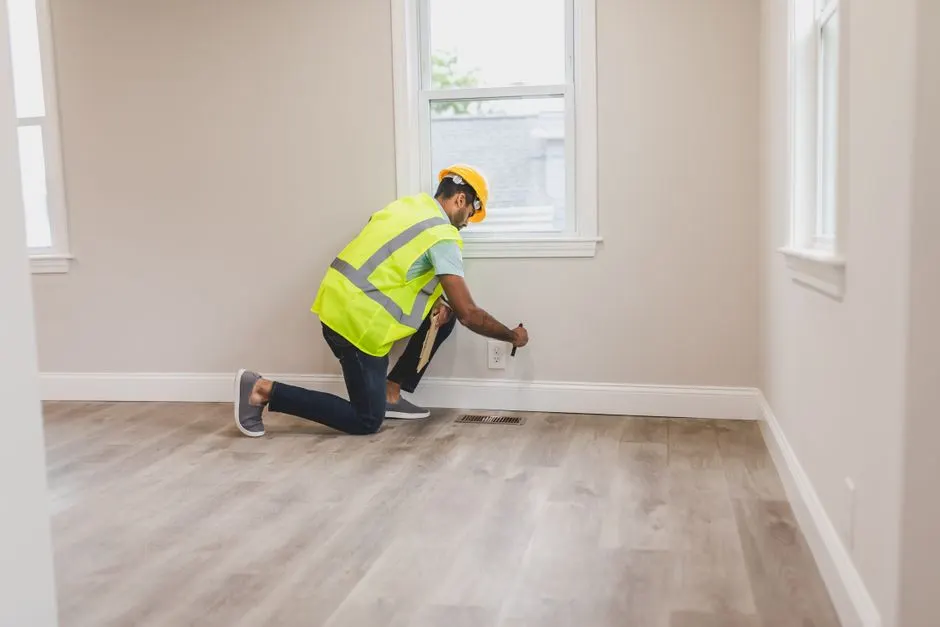

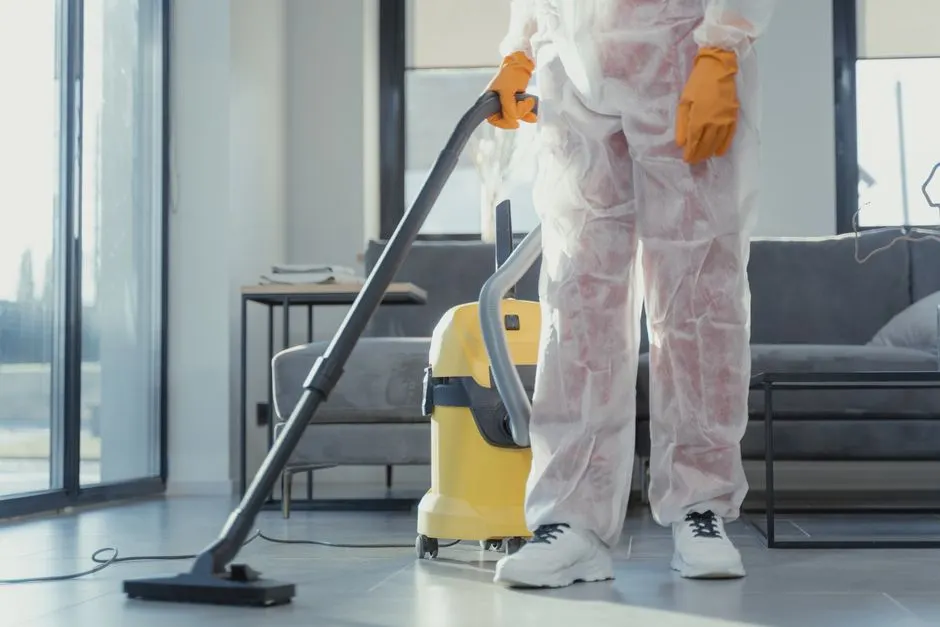
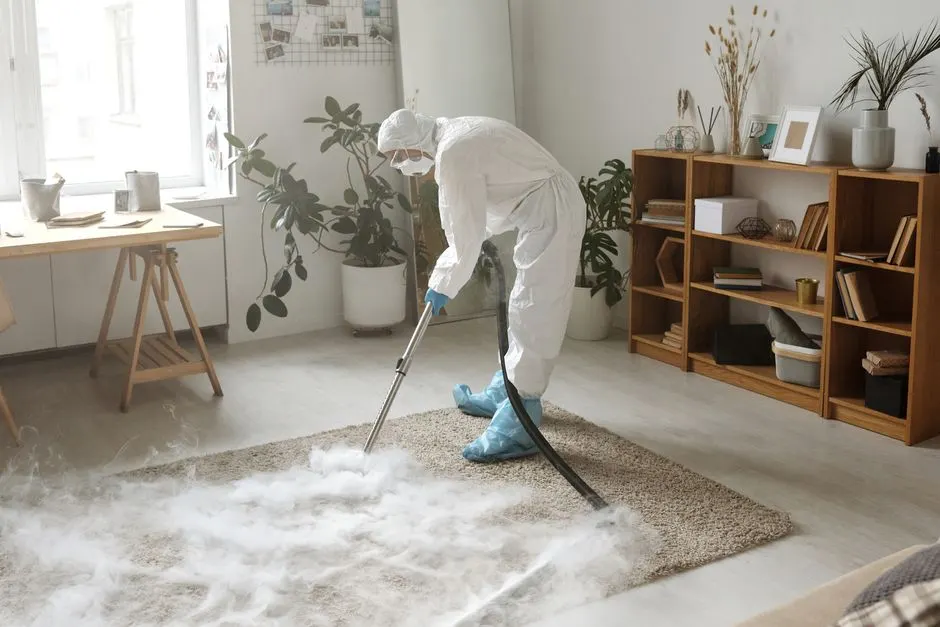
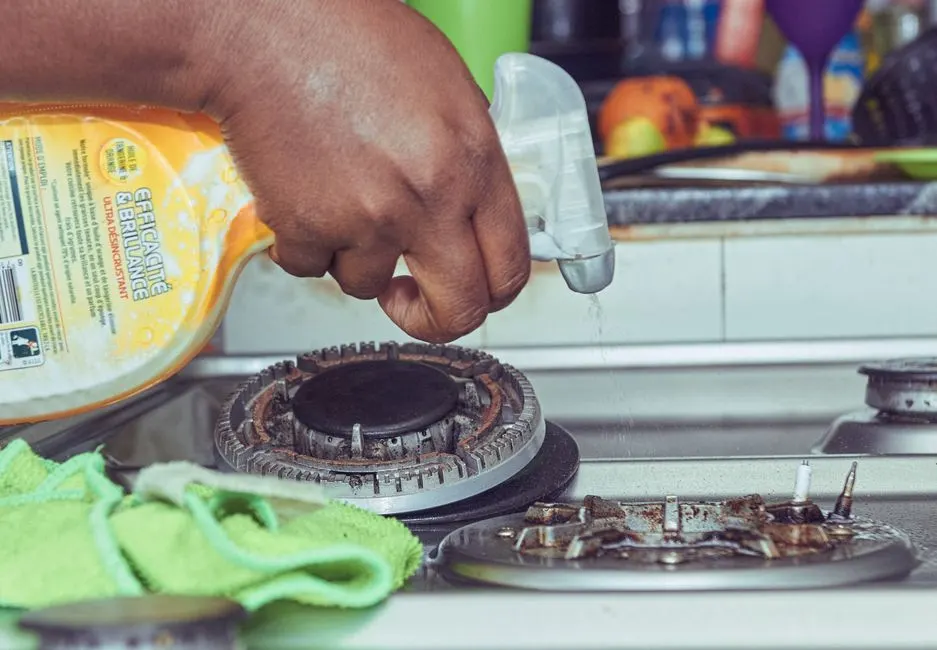
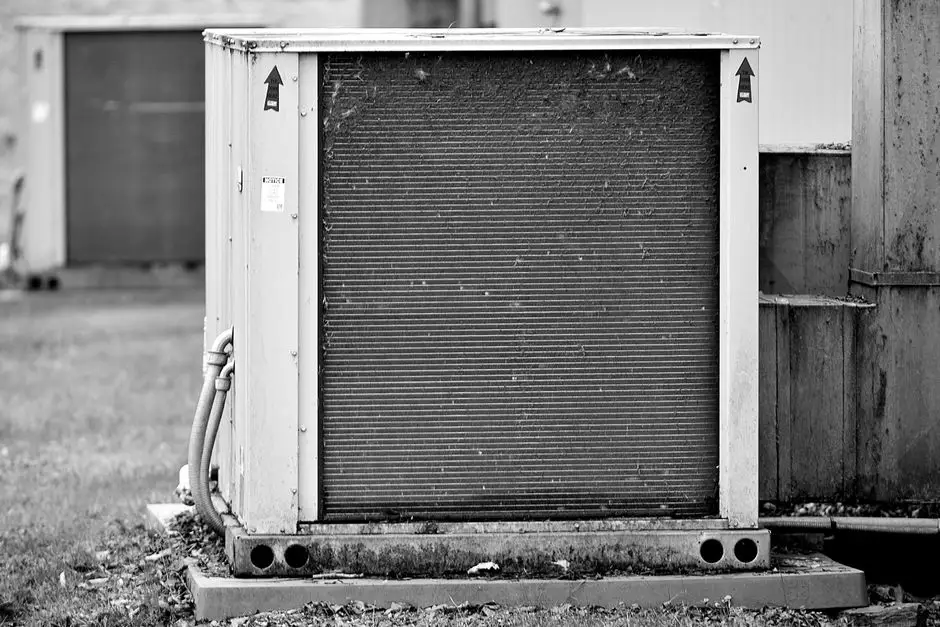
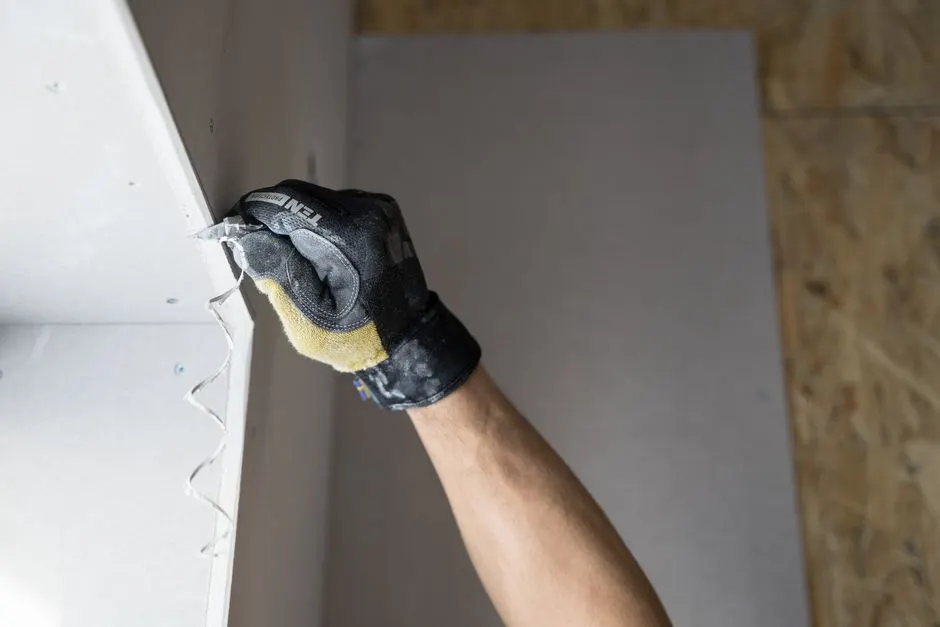
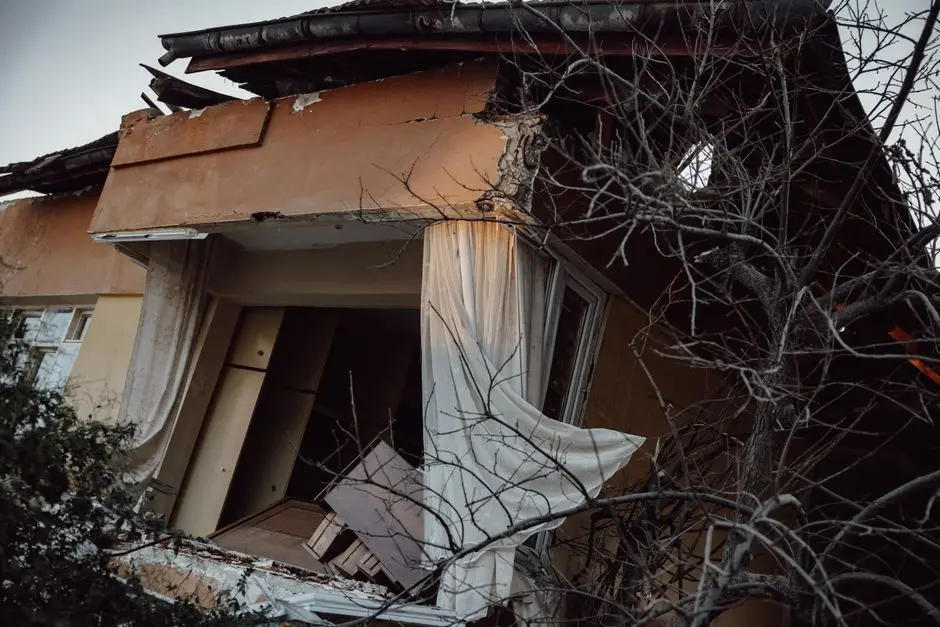


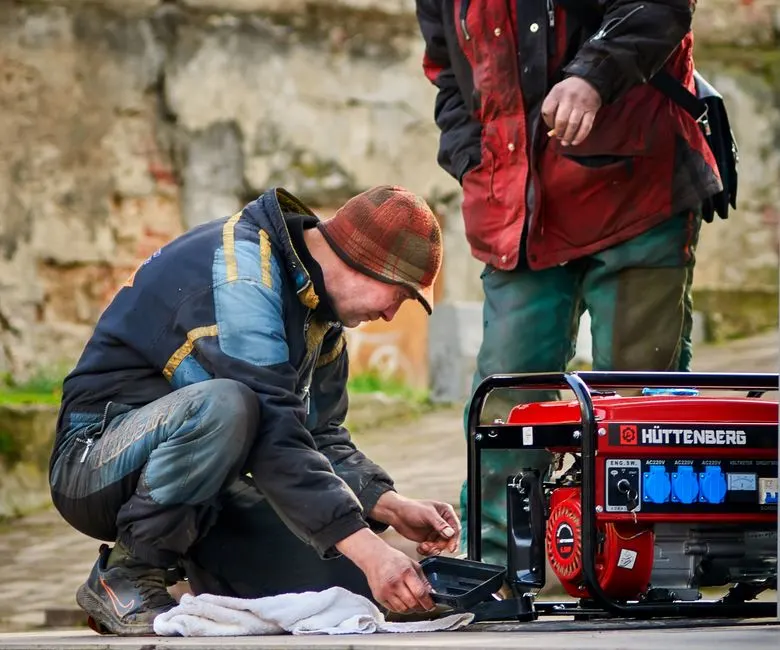


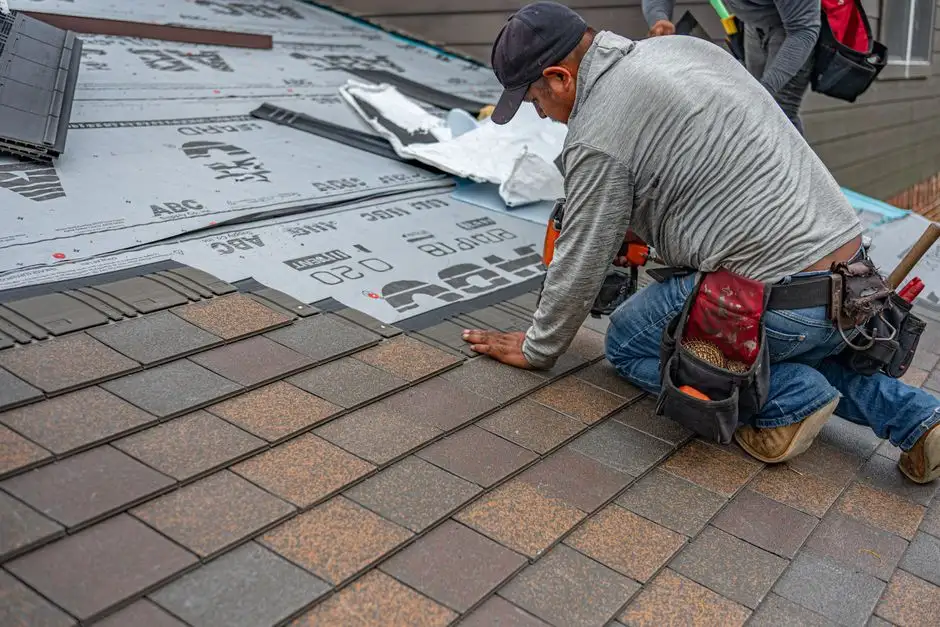


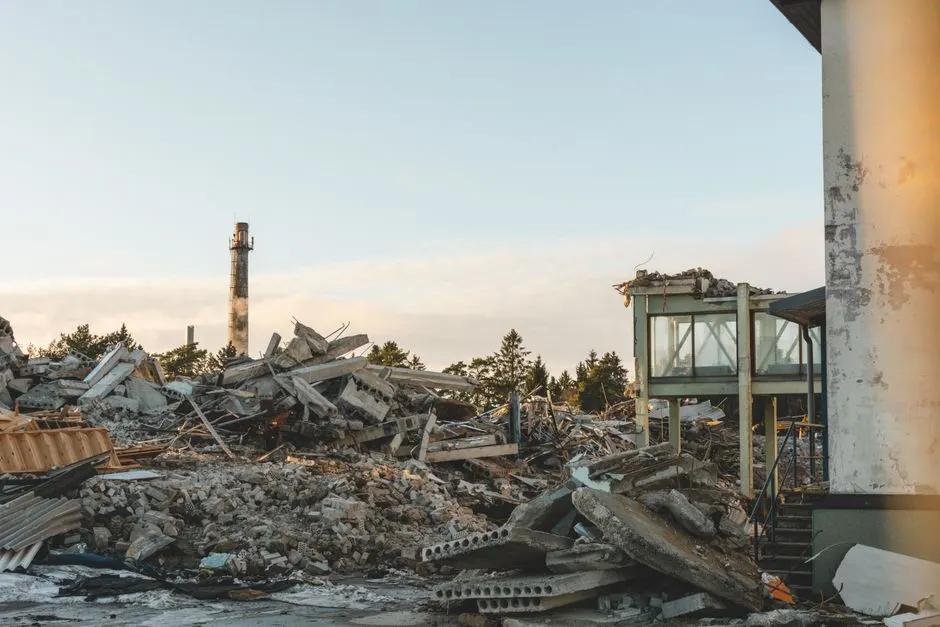
Whitman mold removal is shaped by three things: old housing stock, a high water table, and shared party walls. Those factors drive the same problems block after block. If you are looking for a Whitman PA mold removal company, these are the issues we solve most often.
Whitman sits on a high water table and the rowhouse basements were not built with modern drainage. When the ground saturates, water finds the path of least resistance through foundation cracks and floor drains.
The clay sewer laterals under Front Street and the surrounding blocks are old, and tree roots find the joints. Once roots get in, the line clogs and sewage backs into the lowest drain, which is usually the basement floor drain.
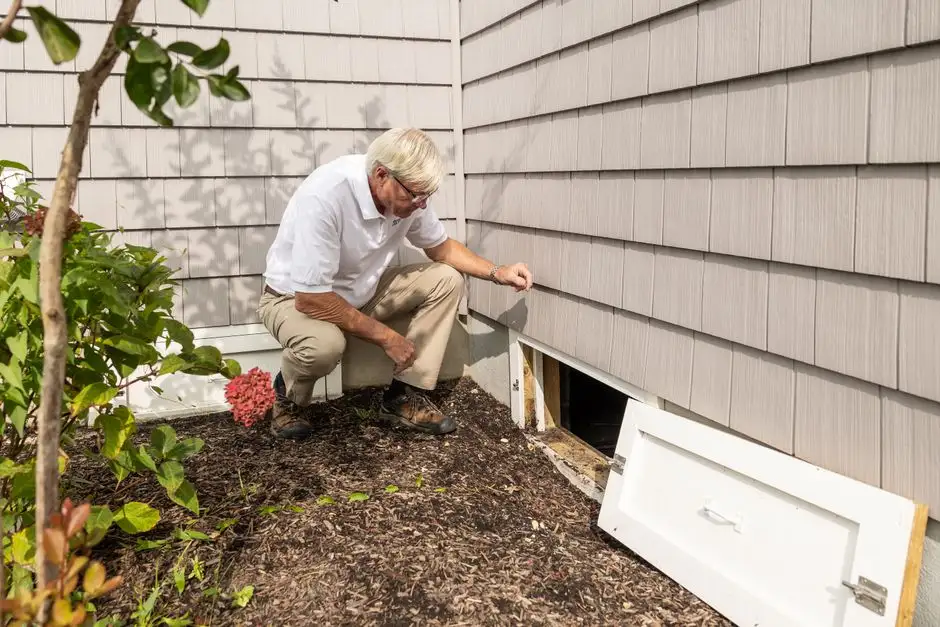
Unventilated crawl spaces under Whitman rowhomes hold ground moisture year round. The damp air rises through the floorboards, carrying mold spores and that musty smell into the living space even when the basement looks dry.
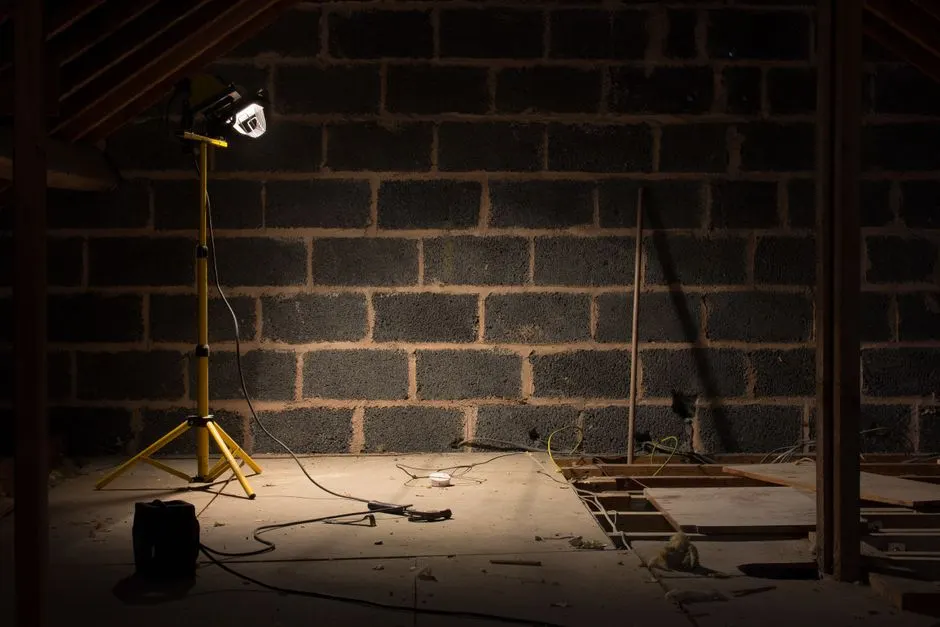
Older Whitman rowhomes have poor attic ventilation, and warm moist air from the living space condenses on cold roof decking in winter. That condensation feeds mold on the sheathing and rafters, which you usually smell before you see.
Mold does not always announce itself with a black stain. In Whitman rowhomes it often shows up as a smell, an allergy flare-up, or a stain on a basement joist you never look at. If you are searching for black mold removal in Whitman near me, check these signs first. Any one of them is worth a call.
Musty smell in the basement or first floor
That smell is microbial volatile compounds, which means mold is actively growing somewhere. In Whitman rowhomes it usually traces to a damp crawl space or a slow foundation leak. The longer it runs, the deeper it gets into framing and insulation.
Black or green staining on basement walls
Staining on block walls or joists is active growth, not dirt. It needs moisture to survive, so the stain is a symptom of a water problem you have not found yet. Testing tells you whether it is black mold or a less aggressive species.
Warped or bubbling paint on drywall
Paint bubbles when moisture pushes through the wall from behind. In Whitman, this often shows up on the lower two feet of a basement wall after a flood or a backed-up drain. The drywall behind it is usually compromised.
Allergy symptoms that get worse at home
If your sinuses clear up when you leave the house and clog up when you come back, the air quality is the problem. Spores from a hidden crawl space or HVAC system can circulate through the whole rowhome. Air quality testing confirms it.
Previous water damage that was never fully dried
A pipe leak or a sump failure that was mopped up but not dried leaves moisture in the framing. Mold can start within 48 hours. If you had water in your Whitman basement last year and never had it tested, this is the time.
Typical 2026 pricing for mold removal in Whitman runs $1,200 to $4,500 for a residential basement, depending on how much material has to come out. A small bathroom or kitchen job can be $600 to $1,500. Crawl space encapsulation usually lands between $2,500 and $6,000. Emergency calls after hours add a dispatch fee, but we quote it before we roll. If you want affordable mold removal in Whitman, the cheapest job is always the one caught early. We give you a written scope with the price before any work starts.
Basic Service
$89 starting · per visit
Standard Repair
$249 average job
Premium Care
$499 annual plan
Whitman is a tight grid, and parking is the hard part. We use Whitman Plaza as a staging point for the south end, Dickinson Square Park for the middle blocks, and Whitman Library as a reference for the streets around Front Street. Knowing where the one-way blocks run saves us time on the way to your door. If you tell us you are near the library or the park, we know exactly which block you mean.
Whitman Plaza anchors the commercial end of the neighborhood and gives us a known meeting point for jobs on the south side. From there we can reach the surrounding residential blocks quickly without circling for parking.
Dickinson Square Park sits in the middle of the rowhouse grid and helps us orient between the north and south halves of Whitman. When a customer says they are near the park, we know which side of the block to approach from.
Whitman Library is a useful reference point for the streets around Front Street and the older housing stock nearby. It helps us route around the one-way blocks and find the right basement hatch without a lot of back-and-forth.
Front Street runs along the eastern edge of Whitman and is a main access route for our trucks. It is also where a lot of the older clay sewer laterals run, so we know the blocks along it tend to see more backup and foundation issues.
Plus surrounding Philadelphia County neighborhoods, with same-day routing on most appointments.
Averaging 4.9 / 5 across verified reviews.
“Our Pennsport basement flooded after a storm and the smell was awful. The crew showed up the same day, pulled out the wet drywall, and set up drying equipment. They explained every step and did not try to sell us anything we did not need. The clearance test passed and the basement is dry.”
Maria S.
Pennsport
“I called about a musty smell near Dickinson Square Park and they found a leak behind the basement wall that two other companies missed. They fixed the grading outside, treated the mold, and installed a dehumidifier. Three months later it still smells like a normal basement.”
Danny R.
Whitman, near Dickinson Square Park
“We manage a small business near Whitman Plaza and had a ceiling leak that stained tiles and smelled. They worked nights so we did not close. Clean work, good documentation for our insurance, and the air test came back clean. I would call them again for any water issue.”
Angela T.
Whitman Plaza area
Mold in Whitman follows the weather. Fall and winter bring different problems than spring and summer, and the calls change with them. Here is what we see through the year and what you should do about it.
Spring rain and snowmelt push water against Whitman foundations. Basement flooding calls spike in March and April, and crawl spaces that stayed borderline all winter finally go wet. This is when we see the most new mold growth.
Tip: Check your sump pit and discharge line before the first big rain. Clear the gutters and make sure downspouts run at least six feet from the wall.
Humidity is the problem in summer. Whitman basements stay damp even without a leak, and HVAC systems run constantly, pulling moist air through the ducts. Musty odors and allergy complaints peak in July and August.
Tip: Run a dehumidifier in the basement and keep it set between 45 and 50 percent. Change your HVAC filter monthly during cooling season.
Falling leaves clog gutters and downspouts, which pushes water into the fascia and down the foundation. It is also when homeowners notice the musty smell they ignored all summer, because the windows close and the air stops moving.
Tip: Clean the gutters after the leaves drop. If you had a wet basement last spring, get it inspected now before the ground freezes.
Freezing temperatures crack pipes and cause supply line leaks in unheated Whitman basements. Attic condensation also peaks in winter as warm indoor air hits cold roof decking. Both can feed mold that shows up in spring.
Tip: Insulate exposed pipes in the basement and keep the heat above 55 degrees. Check the attic for frost or damp sheathing on cold mornings.
Whitman is our home base in South Philadelphia, but the same crews cover the surrounding neighborhoods. If you are just outside Whitman, we probably already work your block. Here is how the nearby areas connect to our coverage.
(City)
Center City is a short drive north of Whitman. We handle rowhome and high-rise basement mold calls there, usually scheduling them around building access rules.
View Center City(City)
Old City is just north of Whitman along the waterfront. Its older building stock has similar foundation and crawl space issues, so the same crews often work both areas on the same day.
View Old City(City)
Northern Liberties is a short run up Columbus Boulevard from Whitman. We cover its converted warehouses and rowhomes for both residential and commercial mold jobs.
View Northern Liberties(City)
Fishtown is north of Whitman along the river. Its mix of new construction and older rowhomes means we see both fresh water damage and long-standing crawl space moisture there.
View Fishtown(City)
Kensington is a short drive from Whitman. The older housing stock and frequent water damage calls make it a regular part of our weekly route.
View Kensington(City)
Port Richmond is north along the river from Whitman. We cover its rowhomes and commercial buildings for mold remediation and water damage restoration.
View Port RichmondReal answers from our team for the questions we hear most often before a job starts.
If your Whitman basement smells musty or you are staring at a stain on the wall, call us. We answer 24/7, give you a real arrival window, and test before we quote. We have worked this neighborhood since 2015 and we know the blocks, the housing stock, and the water problems that come with them. One call and you will know exactly what you are dealing with.
Call +1 2152813400 or email [email protected] and we will schedule an inspection, usually the same day if you reach us before noon. Water emergencies get 24/7 response. We serve every neighborhood in Philadelphia County, from Center City to Northeast Philadelphia.
Phone
+1 2152813400Address
Pearson Avenue, Unit A Philadelphia, PA 19114
Hours
Mon–Fri: 7AM – 7PM
Sat: 8AM – 4PM
Sun: Emergency Only
24/7 Emergency Available