
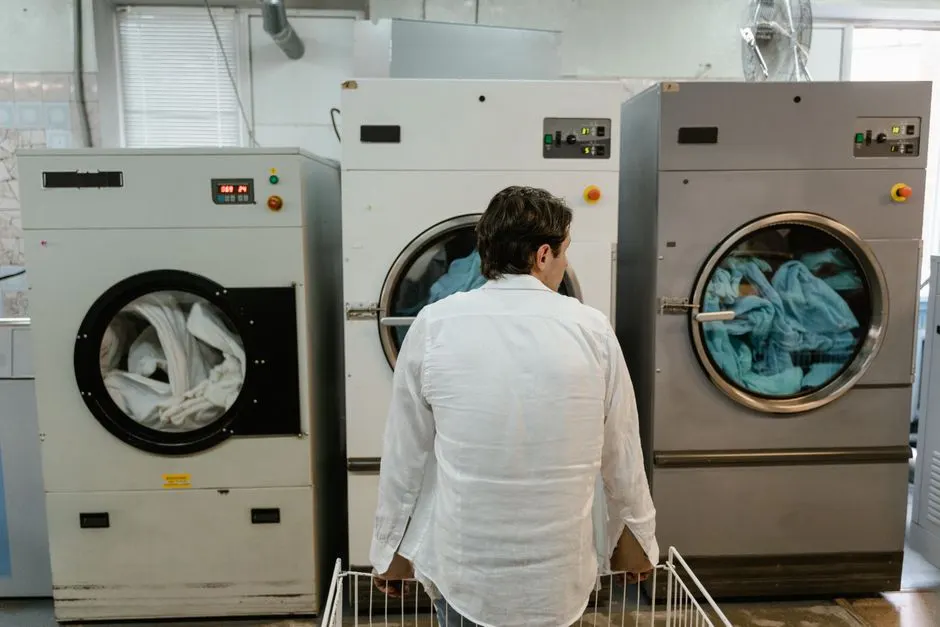
Full moisture inspection
Thermal imaging camera, moisture meter and boroscope walkthrough of the affected space. We map wet zones, photograph readings, and show you exactly where the humidity is coming from before we set any equipment.
Every job includes inspection, drying equipment, monitoring and a final moisture reading. Crawl space encapsulation, vapor barrier and antimicrobial coating are quoted separately when the space needs them. Here is what you get on a standard Philadelphia dry-out.
Thermal imaging camera, moisture meter and boroscope walkthrough of the affected space. We map wet zones, photograph readings, and show you exactly where the humidity is coming from before we set any equipment.
Dri-Eaz or Phoenix Restoration Equipment LGR dehumidifiers sized to the cubic footage, plus air movers to keep vapor off surfaces. A 1,200 square foot basement typically runs two units and four air movers for 48 to 72 hours.
We record temperature, relative humidity and material moisture readings every day. You get the log at the end, which is the document insurance adjusters and Xactimate reviewers want to see on a claim.
Air scrubbers with HEPA filters run alongside the dehumidifiers to capture airborne spores and microbial volatile compounds. This is what removes the musty smell instead of just covering it up.
Framing and joists that were wet get treated with Fiberlock or Concrobium antimicrobial coating after drying. It stops any spores that land later from colonizing the wood.
We take closing moisture meter readings, photograph the dry structure, and leave you a written humidity target of 45-50 percent. Third-party clearance testing can be scheduled within 48 hours if you want it.
Dehumidification services Philadelphia PA is a moisture-management service that removes excess water vapor from the air inside your home and stops it from coming back. We measure relative humidity with a moisture meter and thermal imaging camera, then run commercial-grade Dri-Eaz and Phoenix Restoration Equipment units to pull interior humidity down to 45-50 percent. That is the range where black mold, musty odors and attic condensation stop growing. Most Philadelphia jobs take two to four days of drying, then we seal the entry points with vapor barrier and antimicrobial coating so the problem does not return next spring.
Philadelphia rowhomes, twins and older Victorians leak humidity in ways newer construction does not. Stone foundations in Fishtown and Kensington wick groundwater all summer, crawl spaces under South Philadelphia homes sit at 80 percent humidity year-round, and finished basements in the Northeast trap moisture behind drywall until black mold shows up on the baseboard. If you have been searching for dehumidification services in Philadelphia PA near me and getting nothing but box-store advice, we handle the whole job: find the source, dry the structure, seal it, and verify with a moisture meter before we pack up.
We do not guess. Every job starts with measurement and ends with a moisture meter reading that proves the structure is dry. Here is exactly what happens from the first call to the final walkthrough.
Schedule
Call or book online — a real human picks up and confirms a 2-hour arrival window.
Diagnose
Licensed tech inspects on-site, then walks you through the cause and your options.
Fix
The job is completed to code and done right the first time — no shortcuts, no surprises.
Guarantee
Every job backed by a written workmanship warranty — and we stand behind it.
Thermal imaging camera
Finds temperature differences behind walls and under floors that reveal hidden moisture without opening the structure.
Moisture meter
Reads percent moisture content in wood, drywall and concrete so we know exactly when the structure is dry.
Dri-Eaz LGR dehumidifier
Pulls 80 to 130 pints of water per day from the air, sized to the cubic footage of the affected space.
Phoenix Restoration Equipment dehumidifier
Backup and specialty drying units for tight crawl spaces and large commercial losses.
Air scrubber with HEPA filters
Captures airborne mold spores and microbial volatile compounds so the musty odor leaves with the water.
Boroscope
Slides inside wall cavities and under subfloors to confirm moisture and growth where the camera cannot see.
Negative air machine
Creates containment pressure during mold removal so spores do not spread to clean rooms.
IICRC S500 water damage standard
Sets the drying targets, equipment sizing and documentation we follow on every water loss. It is the same standard insurance adjusters use to review claims.
IICRC S520 mold remediation standard
Governs containment, removal and clearance testing when growth is present. We follow it on every Philadelphia job that involves visible mold.
Vapor barrier and encapsulation
Seals crawl space soil and foundation walls so groundwater vapor stops rising into the house. This is what makes dehumidification hold long-term in old Philadelphia homes.
Antimicrobial coating application
Fiberlock and Concrobium products go on framing and joists after drying. They stop spores that land later from colonizing the wood.
Daily moisture logging
We record temperature, relative humidity and material readings every day and hand you the log. It is the proof that the job actually worked.
01
What we do: We extract standing water, set LGR dehumidifiers and air movers, and run them until the framing reads under 15 percent moisture content. Then we treat the base plates with antimicrobial coating before you rebuild.
→ Your finished basement dries in three to four days instead of molding behind the drywall, and the insurance paperwork is ready to file.
02
What we do: We inspect with a boroscope, install vapor barrier over the soil, seal the foundation vents, and set a crawl space dehumidifier on a condensate line. Daily logs track the humidity drop.
→ Crawl space humidity falls from 80 percent to under 50 percent, the smell goes away, and your hardwood floors stop cupping.
03
What we do: We measure with a moisture meter, size a whole-unit dehumidifier for the square footage, and seal the window and door gaps that let outside air in. We set the target at 45-50 percent.
→ The sweating stops, your AC runs less, and the musty smell in the closets disappears within a week.
04
What we do: We treat it as a category 3 loss, extract with full PPE, disinfect with RMR-86 or Benefect, remove porous materials, and run dehumidifiers with air scrubbers until the slab and framing read dry.
→ The basement is safe to rebuild, the odor is gone, and you have documentation for your insurance claim.
Philadelphia is a humid city built on old masonry, and that combination drives most of the moisture work we do. Summer dew points sit in the 65-70 degree range from June through September, and that air pushes into basements through stone foundations, unsealed crawl space soil and leaky rim joists. Winter flips the problem: warm moist air from bath fans and kitchens hits cold roof sheathing and condenses into attic mold. We size every dehumidification job to the season and the building. A Fishtown rowhome with a stone foundation needs vapor barrier and a 70-pint unit running year-round. A Chestnut Hill twin with a finished basement needs a 95-pint LGR unit and sealed foundation cracks. If you are looking for moisture control services Philadelphia, Pennsylvania homeowners can count on, we quote the job in writing, document every reading, and follow IICRC S500 and S520 standards so the work holds up to insurance review and to next summer's humidity.
Fishtown
Stone foundations wick groundwater all summer, so basements here need vapor barrier plus a 70-pint dehumidifier running year-round.
Chestnut Hill
Older twins with finished basements and stone walls need foundation crack sealing before dehumidification can hold humidity at 45-50 percent.
South Philadelphia
Crawl spaces under rowhomes sit at 80 percent humidity. Encapsulation liner and a crawl space dehumidifier are the standard fix.
Manayunk
Hillside runoff pushes water into basements after heavy rain, so we pair sump pump checks with the dry-out.
Mayfair
Finished basements here trap moisture behind drywall. We dry the air first, then open the wall if growth is present.
Summer dew points of 65-70 degrees
Outside air carries enough water to push a closed basement to 75 percent humidity in a day. We size dehumidifiers for the worst week of August, not the average.
Stone and brick foundations in pre-1950 rowhomes
Masonry wicks groundwater and holds it. Vapor barrier and masonry sealer are required before dehumidification can hold the target.
Freeze-thaw cycles in January and February
Attic condensation peaks when warm interior air hits cold sheathing. We fix bath fan venting and add intake ventilation during winter jobs.
Combined sewer backups after heavy rain
Category 3 water needs full PPE, disinfection and porous material removal before any dehumidification starts.
If you are searching for dehumidification services in Philadelphia PA near me because your basement smells, your windows sweat, or your crawl space is damp, one of these is probably your situation. Here is what we see and how we fix it.
Problem
Condensation drips onto stored boxes and finished walls, feeding black mold behind the drywall within two weeks.
Our Fix
We run LGR dehumidifiers to pull the air down to 45-50 percent, then seal the foundation with masonry sealer and vapor barrier. The walls stop sweating because the air around them stops holding water.
Problem
Groundwater vapor rises into the floor framing, warps hardwood, and grows mold on the subfloor above.
Our Fix
We install encapsulation liner over the soil, seal the vents, and set a crawl space dehumidifier on a drain line. Humidity in the crawl space drops from 80 percent to under 50 percent and stays there.
Problem
Warm moist air from bath fans hits cold roof sheathing, condenses, and grows mold on the underside of the roof deck.
Our Fix
We dry the attic, fix the bath fan venting so it exhausts outside, and add intake ventilation. The sheathing stays dry through the freeze-thaw cycles Philadelphia gets every January.
Problem
The smell is microbial off-gassing from hidden growth, and it gets worse every year as spores accumulate in carpet and insulation.
Our Fix
We remove the source with HEPA vacuuming and air scrubbing, treat surfaces with Benefect, and hold indoor humidity at 45-50 percent so the growth cannot restart when the weather warms up.
Problem
Mold in the air handler and ductwork sends spores into every room, and the system keeps re-wetting itself on the evaporator coil.
Our Fix
We clean the coil and ducts, seal joints with duct sealant, and drop indoor humidity so the system stops condensing. The whole house air quality improves within a week of the dry-out.
Excess humidity is the number one cause of mold growth in Philadelphia homes, and it is the cheapest problem to fix before it spreads. Here is what proper moisture control in Philadelphia actually gets you.
Stop mold before it starts
Mold needs 60 percent relative humidity to colonize drywall and wood. We hold your basement at 45-50 percent, which is below the growth threshold. That one number is the difference between a clean joist and a $4,000 remediation bill six months later.
Kill the musty smell
That damp-cellar odor is microbial volatile compounds off-gassing from hidden growth. Running a HEPA vacuum and air scrubber after dehumidification removes the spores and the smell together. Most customers say the house smells different the same day we finish.
Protect your HVAC system
Humid air feeds mold inside ductwork and evaporator coils, and HVAC contamination spreads spores to every room. We seal ducts, dry the air handler closet, and drop indoor humidity so your system stops being a mold distribution network.
Save your finished basement
A finished basement in Mayfair or Chestnut Hill can hold 40 gallons of hidden moisture in framing and carpet pad. We dry it with negative air machines and desiccant units before the drywall wicks and the trim swells. Catching it early saves the whole build-out.
Typical 2026 pricing in Philadelphia for a residential dry-out runs $450 to $1,800, with crawl space encapsulation adding $1,500 to $4,500 and emergency after-hours work costing more. The variables are square footage, how wet the structure is, whether mold removal is needed, and how long the equipment has to run. We quote the job in writing before we start and we do not add line items after the fact. If you want affordable dehumidification services Philadelphia PA without surprise charges, that is how we work.
Typical Investment Range
$450 - $1,800 for a standard residential dry-out; $1,500 - $4,500 for crawl space encapsulation
Fixing humidity now costs a fraction of what mold remediation costs later. A $1,200 dry-out today prevents a $4,000 to $8,000 remediation next summer, and it protects the framing, drywall and HVAC system you already paid for.
What changes the price
Square footage and volume
A 600 square foot crawl space needs one dehumidifier; a 2,000 square foot finished basement needs two or three plus more air movers. Equipment count drives the daily rate.
How wet the structure is
A basement at 60 percent humidity dries in two days. A basement at 80 percent with wet framing takes four to five days, and every extra day adds equipment and monitoring cost.
Mold removal required
If growth is already on framing or drywall, we add containment, HEPA vacuuming, negative air machines and antimicrobial coating. That typically adds $800 to $3,000 depending on the area.
Crawl space encapsulation
Encapsulation liner, vent sealing and a dedicated crawl space dehumidifier run $1,500 to $4,500. It is the single upgrade that makes dehumidification hold long-term in old Philadelphia homes.
Emergency and after-hours calls
A 2 a.m. burst pipe or sewage backup needs a same-night crew with full PPE. Emergency dehumidification services Philadelphia calls carry a higher rate because of the response window.
Insurance claim documentation
Jobs that need daily logs, photos and Xactimate-compatible line items take extra admin time. We include it on every job, but complex claims can add a small documentation fee.
Google ★★★★★4.9
They dried our Fishtown basement in three days and the humidity has stayed under 50 percent all summer. The daily logs they left were exactly what our insurance adjuster wanted.
Yelp ★★★★★4.8
Crawl space encapsulation and a dehumidifier fixed a problem two other companies missed. The musty smell in our South Philly rowhome is gone and the floors stopped cupping.
BBB ★★★★★4.9
Emergency call after a pipe burst at 1 a.m. Crew was there within two hours with commercial equipment. Dried the whole basement and treated the framing. Professional and honest on price.
Google ★★★★★5.0
Attic condensation and mold on the sheathing fixed in one visit. They rerouted the bath fans, dried the attic, and the mold has not come back through two winters.
Real experiences from customers who chose our Dehumidification Services services.
“Our basement smelled like a wet cellar every summer and the dehumidifier we bought at the hardware store did nothing. Mold Removal Philly brought in two commercial units, ran them for three days, and sealed the stone foundation. Humidity went from 78 percent to 47 percent. No smell, no mold, and the readings were written down for us.”
Danielle R.
Homeowner, Fishtown
“I manage six rowhomes near Penn and two of them had crawl space moisture bad enough that tenants were complaining about musty air. The crew installed vapor barrier and set up crawl space dehumidifiers, then gave me moisture logs for each property. Tenants stopped calling. Worth every dollar.”
Marcus T.
Landlord, University City
“A roof leak soaked our attic last winter and the humidity spread down into the second floor. They repaired the leak, dried the attic with LGR units, and treated the sheathing with antimicrobial coating. Final moisture meter readings were all under 12 percent on the wood. Clean, professional, and they explained every step.”
Priya S.
Homeowner, Chestnut Hill
Real answers to the questions we hear most often from local homeowners and property managers.
Before we dry anything, we test. Air and surface samples tell us whether you have active growth and what species. That report drives the dehumidification plan and the clearance test at the end.
View Mold Inspection and TestingIf growth is already on framing or drywall, we remove it under containment with negative air machines and HEPA vacuums, then run dehumidification to keep the rebuilt area dry. The two services almost always run together.
View Mold RemediationBlack mold in a Philadelphia basement means moisture has been feeding it for weeks. We remove the growth, dry the structure to 45-50 percent humidity, and seal the source so it does not come back next summer.
View Black Mold RemovalRowhomes, twins and single-family homes across Philadelphia County get the same protocol: find the moisture, dry it out, remove growth, verify with a moisture meter. Dehumidification is step one on every residential job.
View Residential Mold RemovalOffices, restaurants and retail in Center City and University City need humidity control to protect inventory and pass health inspections. We run commercial LGR units and document every reading for the property manager.
View Commercial Mold RemovalPhiladelphia attics hit 130 degrees in July and condense in January. Both feed mold on roof sheathing. We dry the attic, fix bath fan venting, and add intake ventilation so humidity stops stacking up.
View Attic Mold RemovalCall +1 2152813400 or email [email protected] and we will schedule an inspection, usually the same day if you reach us before noon. Water emergencies get 24/7 response. We serve every neighborhood in Philadelphia County, from Center City to Northeast Philadelphia.
Phone
+1 2152813400Address
Pearson Avenue, Unit A Philadelphia, PA 19114
Hours
Mon–Fri: 7AM – 7PM
Sat: 8AM – 4PM
Sun: Emergency Only
24/7 Emergency Available