
Basic Service
$89 starting · per visit
- Diagnostic visit
- Written estimate
- Same-day scheduling
- 30-day warranty
Mold removal in Queen Village is not the same job as mold removal in a suburban new-build. The housing stock here runs from early-1800s masonry rowhomes near Old Pine Street Church to renovated properties with modern additions off South Street, and each one fails differently when water gets in. Original brick and stone foundations wick groundwater. Tree-lined streets push roots into clay sewer laterals. Waterfront proximity near the Delaware raises humidity in crawl spaces that were never designed for it. We have worked Queen Village mold removal jobs since 2015, which means we know which blocks flood first, which basements stay damp through August, and which contractors cut corners on encapsulation. If you search for the best mold removal Queen Village PA has on call, you want a crew that reads the building before it quotes the job. That is what we do.
Every service we offer gets used in Queen Village, but the mix is different here than in other neighborhoods. Basement and crawl space work dominates because of the water table and the age of the foundations. Attic jobs spike after roof leaks. HVAC contamination shows up in renovated rowhomes where ductwork was retrofitted into tight spaces. If you need mold remediation services Queen Village PA crews can deliver without cutting corners, here is what we bring to your block.

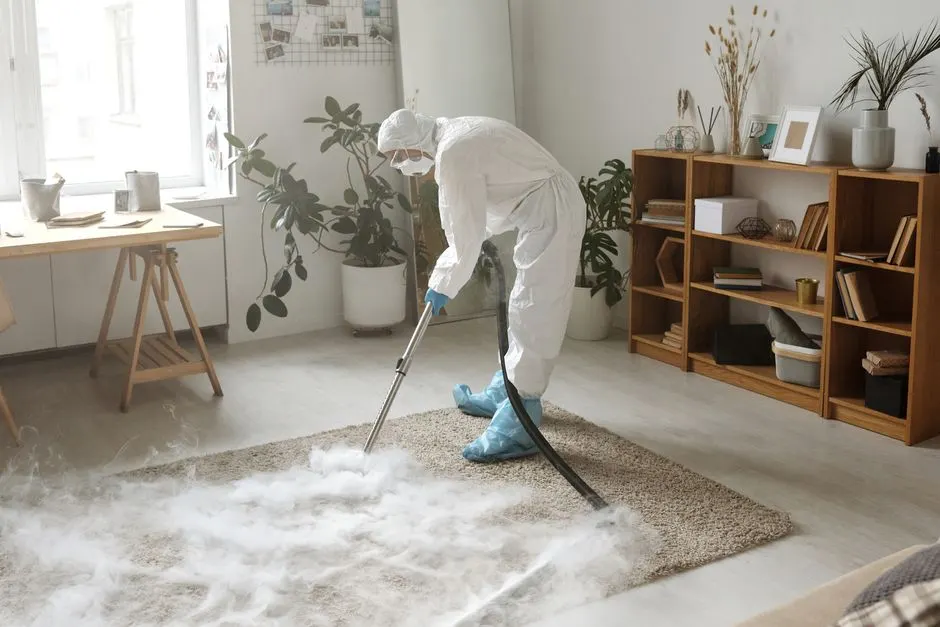
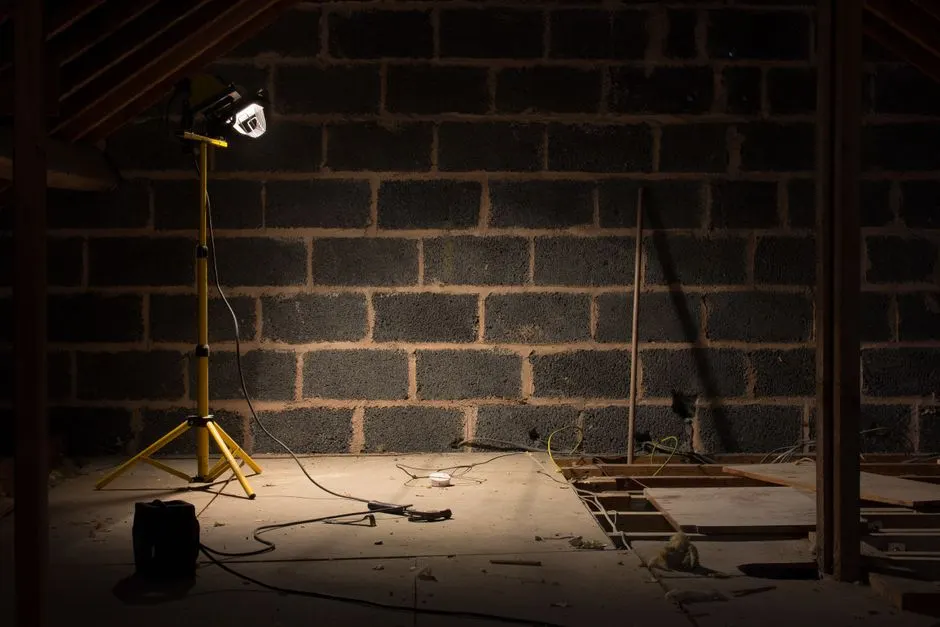
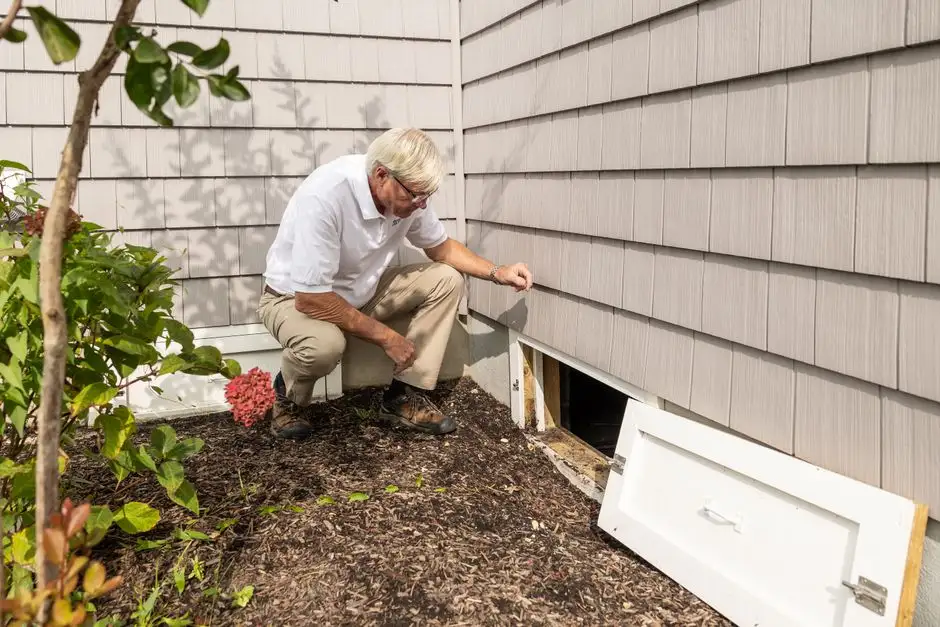
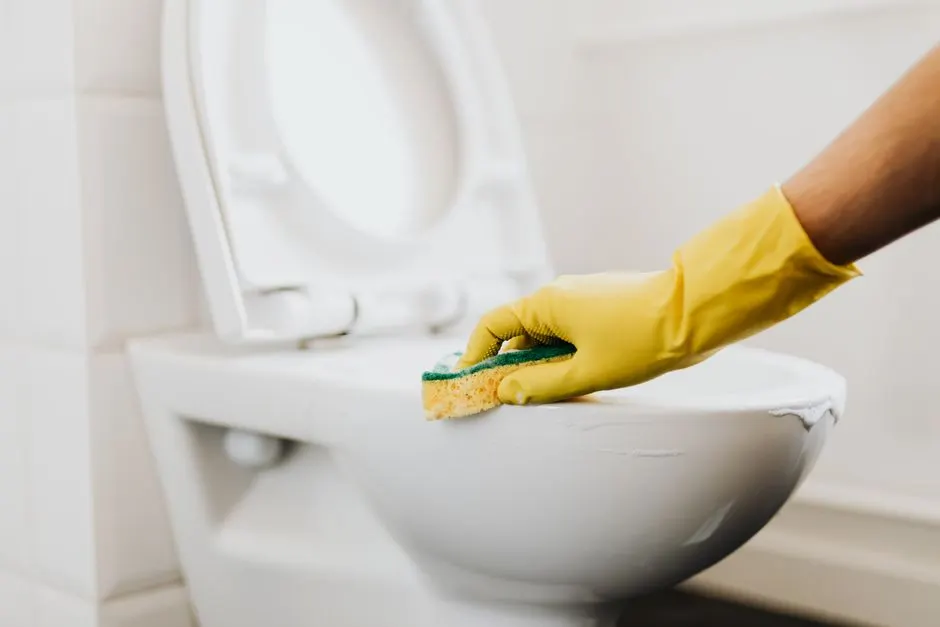
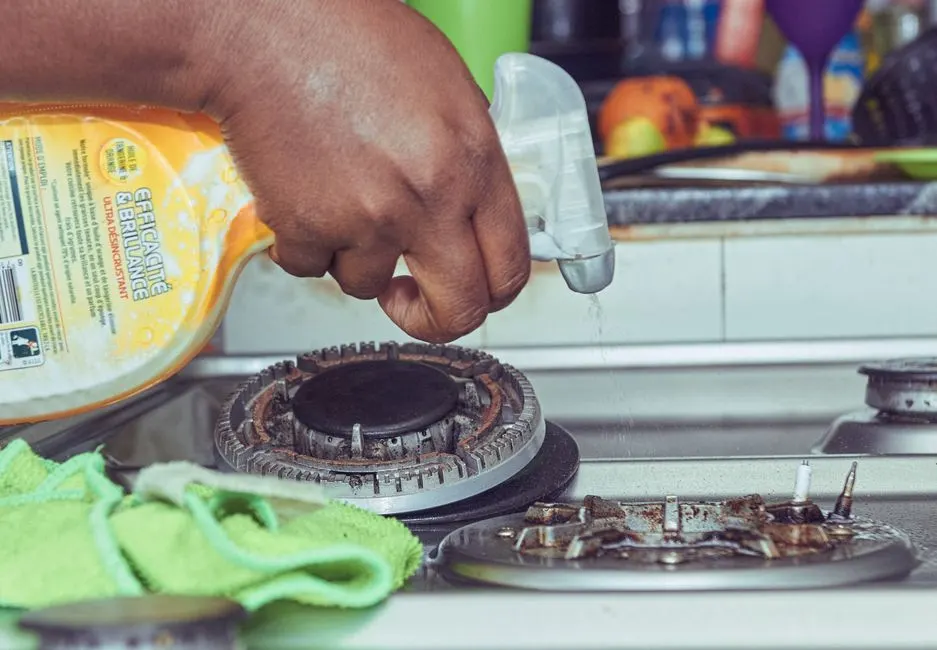
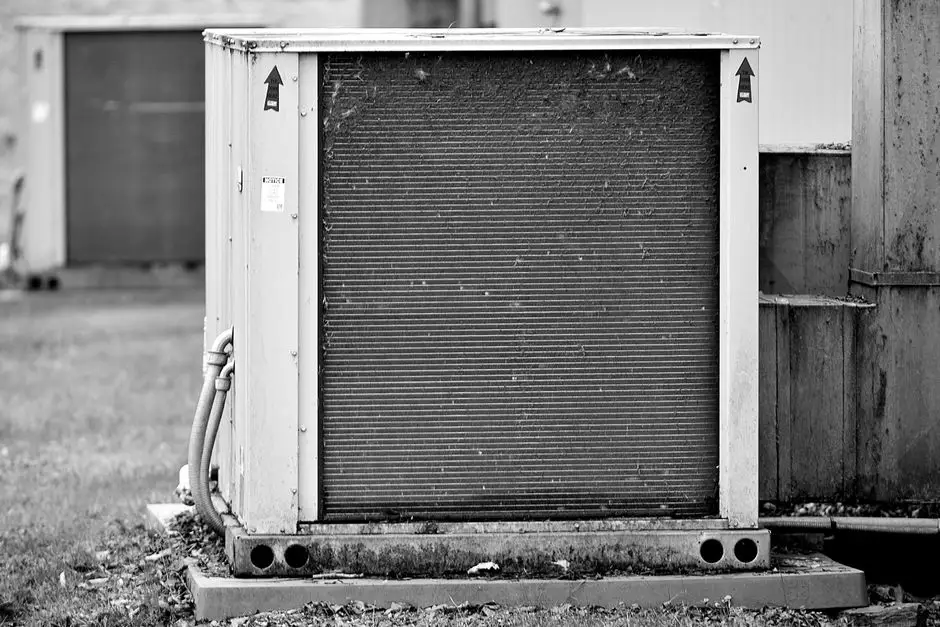
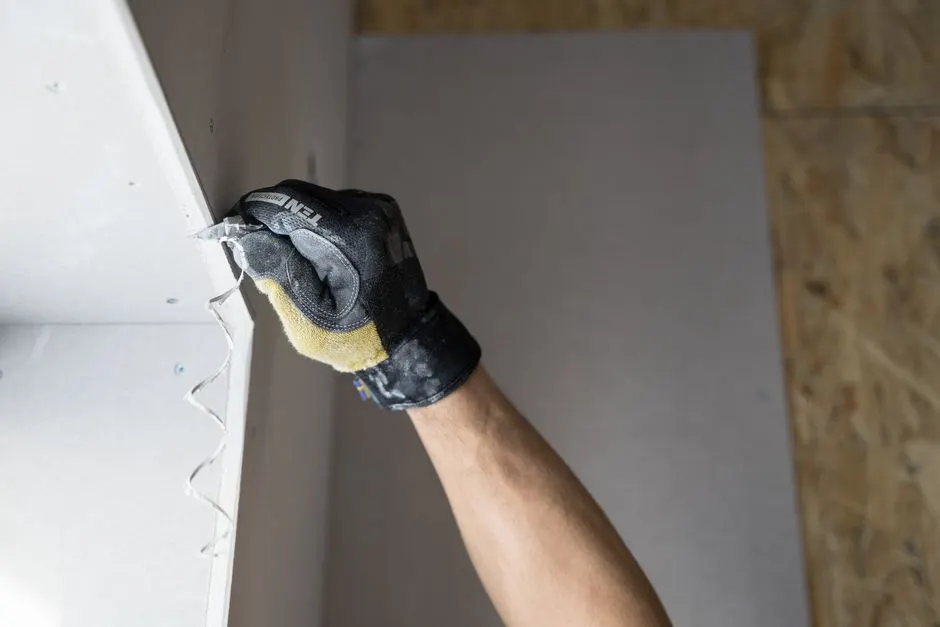
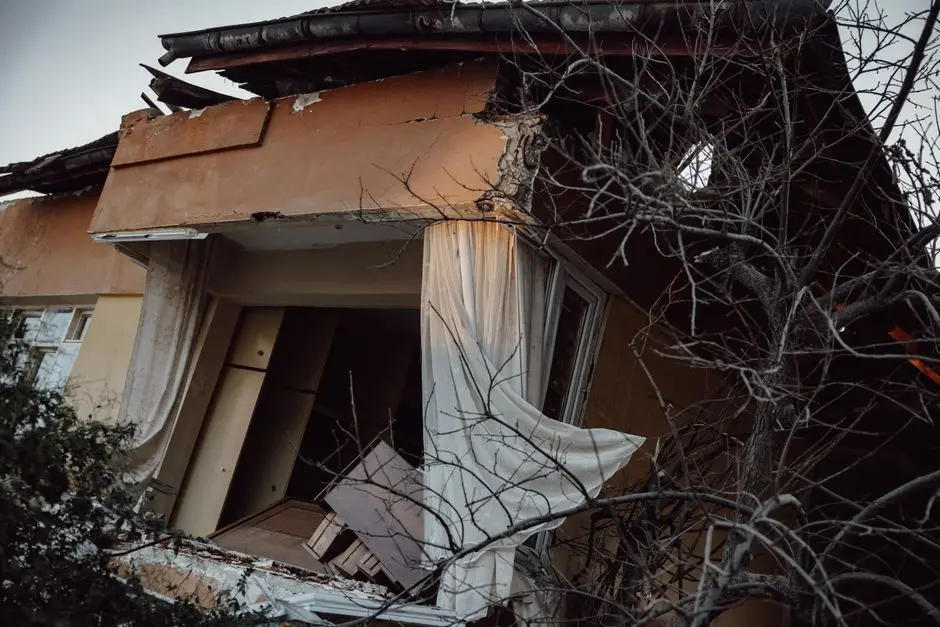


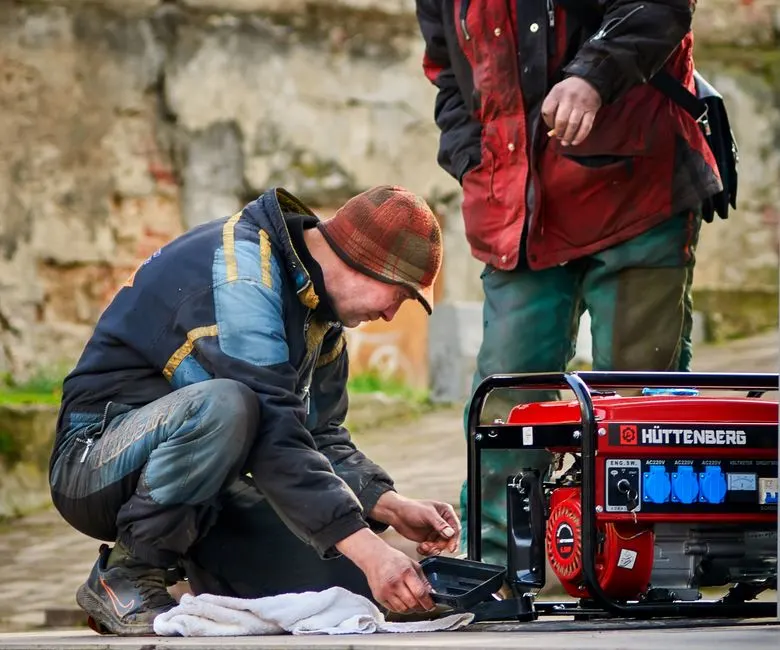
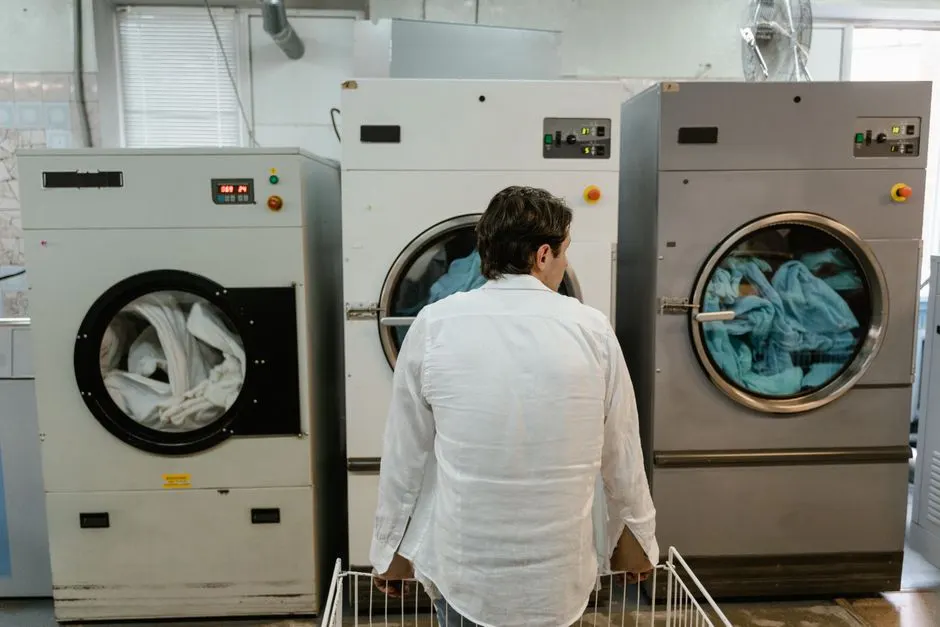
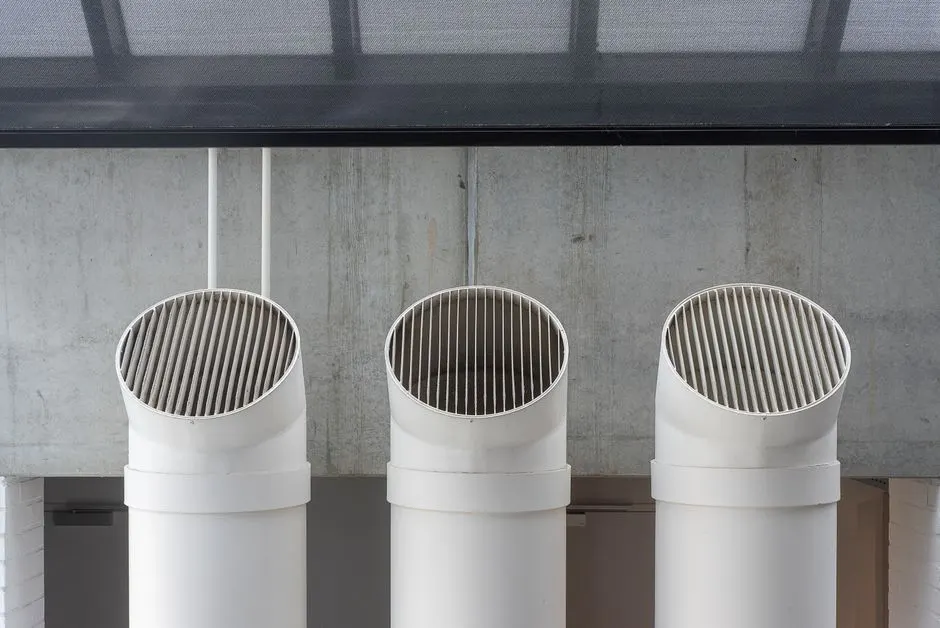
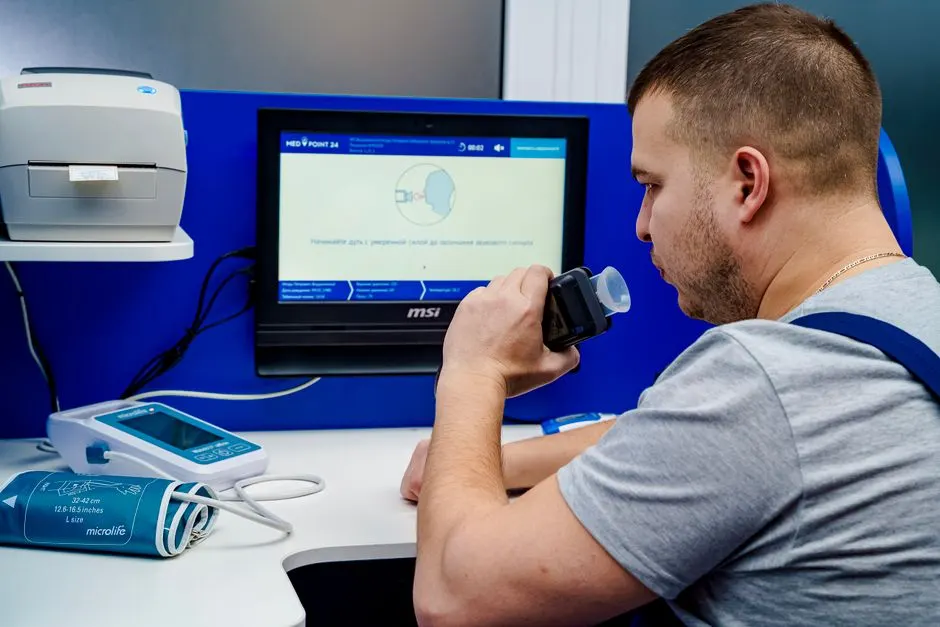
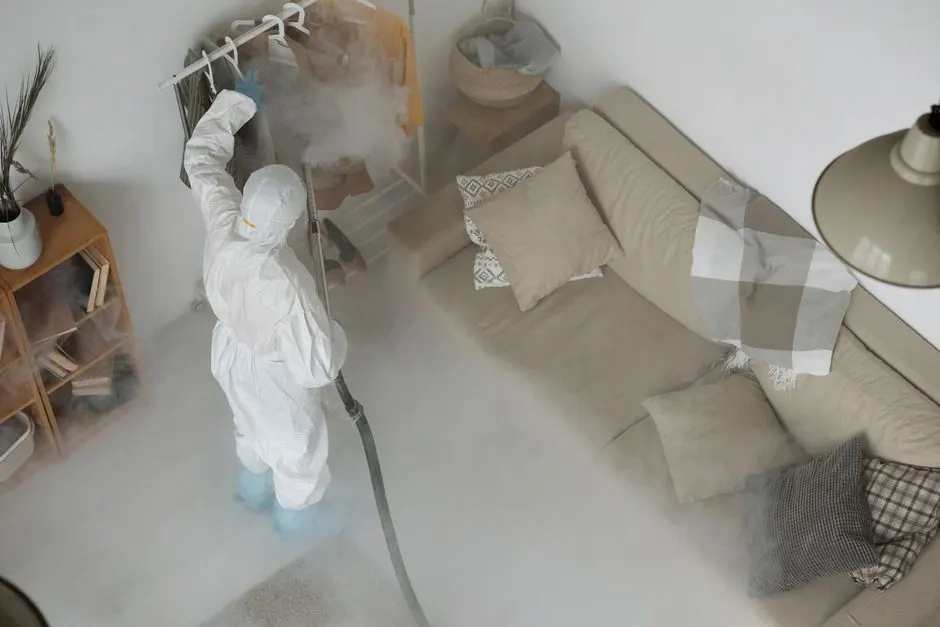

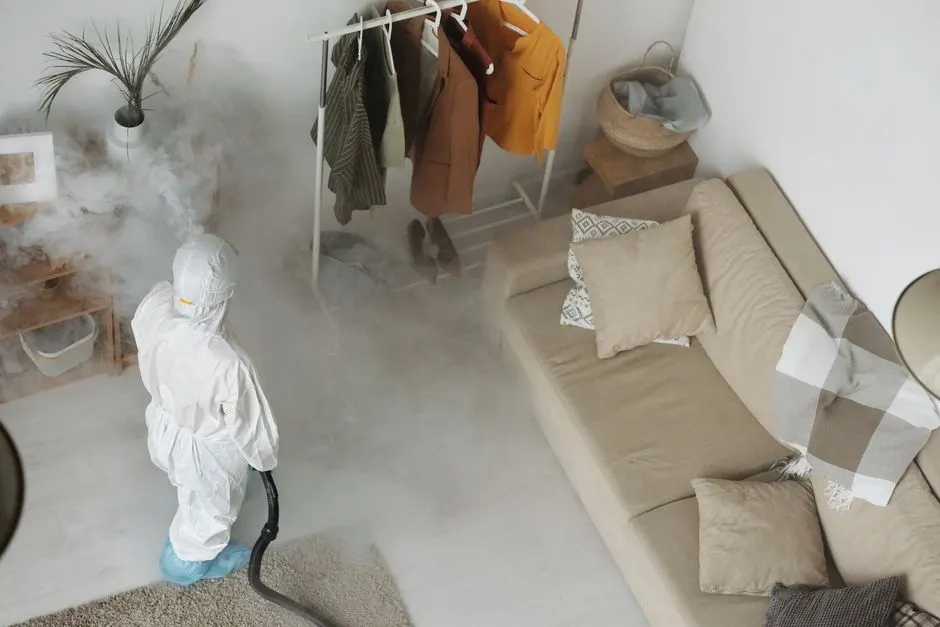

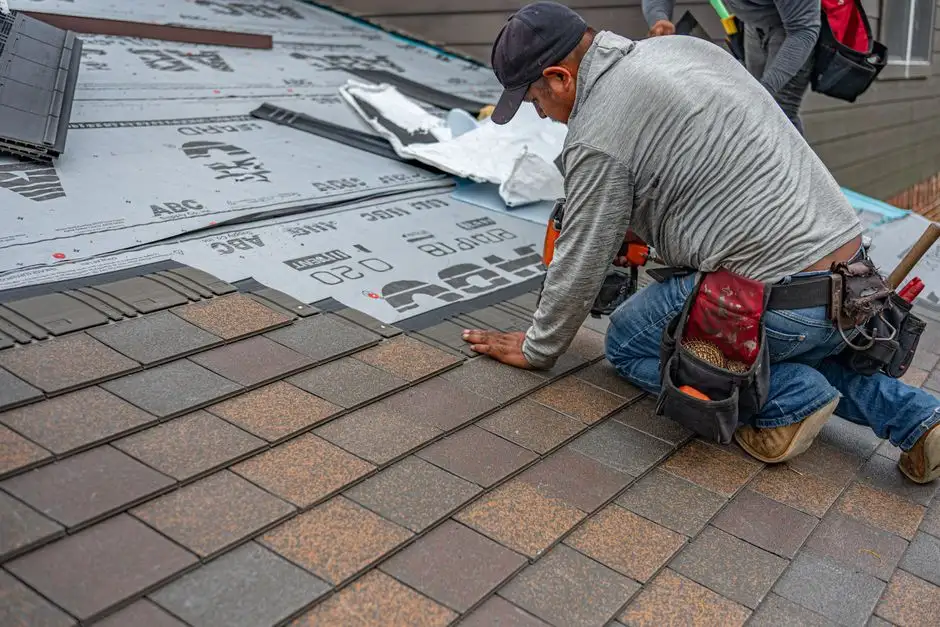

Queen Village has a specific set of conditions that drive mold problems: a humid climate, old masonry foundations, tree-lined streets that clog gutters and invade sewer lines, and a housing stock that ranges from early-1800s to brand new. These factors combine to create recurring issues we see on almost every block. If you are looking for affordable mold removal in Queen Village, understanding these patterns helps you ask the right questions.
Original masonry foundations in Queen Village were not built with modern waterproofing. Mortar joints crack with freeze-thaw cycles, and brick wicks groundwater. During wet springs, water enters the basement through the walls and floor, keeping humidity high enough for mold to grow year after year.
Tree-lined streets are one of Queen Village's best features, but roots find cracks in old clay sewer laterals and grow into them. When it rains hard, sewage backs up into basements. That is Category 3 water, which means mold risk is immediate and the cleanup has to be handled carefully.
Older roofs in Queen Village often have failing flashing around chimneys and valleys. Water gets into the attic, soaks insulation, and creates mold before anyone notices. In winter, warm air escaping into a cold attic causes condensation on the roof sheathing, which also grows mold.
When a Queen Village rowhome gets a modern addition or a renovation, ductwork is often retrofitted into tight spaces with little room for proper sealing. Moisture from basements or crawl spaces gets into the ducts, and mold grows inside. Every time the system runs, spores spread through the house.
Mold does not always announce itself with a visible patch of black growth. In Queen Village rowhomes, it often hides behind plaster, under flooring, or inside crawl spaces where nobody looks. If you notice any of these signs, it is worth getting an inspection before the problem spreads. The earlier you catch it, the cheaper the fix. If you are searching for mold removal in Queen Village PA near me, these are the triggers that should prompt a call.
Musty smell that will not go away
A persistent musty odor usually means active mold growth somewhere you cannot see. In Queen Village basements and crawl spaces, the smell often comes from mold on framing or insulation behind finished walls. Air fresheners will not fix it. You need to find and remove the source.
Visible black or green growth on walls
Black mold in Queen Village near me searches often start with a visible patch on a basement wall or bathroom ceiling. If you see it, assume there is more behind it. Surface cleaning does not reach the roots, and the growth will return until the moisture source is fixed.
Water stains on ceilings or walls
Brown or yellow stains mean water has been entering for a while. Even if the stain feels dry now, the cavity behind it may still be damp and growing mold. Roof leaks and plumbing failures in Queen Village often show up as stains before any mold is visible.
Basement or crawl space stays damp
If your basement feels humid or your crawl space has standing water after rain, mold is already growing or will be soon. Philadelphia summers push humidity high enough to grow mold on any cool surface. A dehumidifier helps, but it does not fix the source.
Allergy symptoms that improve when you leave home
If you or your family feel better when you are away from the house, mold spores may be the cause. This is common in Queen Village homes with HVAC contamination or hidden growth in wall cavities. Air quality testing can confirm what is in the air.
Typical 2026 pricing for mold removal in Queen Village runs from $1,200 for a small bathroom or attic job to $8,000 or more for a full basement or crawl space remediation with encapsulation. Most rowhome jobs land between $2,500 and $5,500. The biggest cost drivers are how much material has to be removed, whether the moisture source needs repair, and whether encapsulation or waterproofing is part of the fix. We give you a written scope and price before we start, and we do not add charges mid-job unless you approve them. If you are comparing quotes, make sure you are comparing the same scope. Cheap quotes often skip containment, clearance testing, or the moisture fix that prevents the mold from coming back.
Basic Service
$89 starting · per visit
Standard Repair
$249 average job
Premium Care
$499 annual plan
Queen Village is compact, but parking and access change block by block. We use landmarks to orient crews and plan equipment staging. South Street is the main commercial spine and the easiest reference point for customers giving directions. Headhouse Square is a common meet point for inspections. Weccacoe Playground helps us locate the surrounding residential blocks quickly. Old Pine Street Church is a useful anchor for the older streets nearby. Knowing these landmarks saves time on every call, especially when we are trying to reach a job during rush hour or after a storm.
South Street is the main east-west commercial corridor through Queen Village. We use it as the primary reference point for dispatching crews and for customers giving directions. Parking and loading rules here change by block, so we plan staging accordingly.
Headhouse Square is a well-known meeting point and orientation landmark in the neighborhood. It helps us locate the surrounding residential blocks quickly and is a convenient place for customers to meet an inspector if they cannot be home.
Weccacoe Playground anchors a residential section of Queen Village with dense rowhome blocks around it. We use it to navigate to nearby streets and to plan parking when we need to stage equipment for a basement or crawl space job.
Old Pine Street Church sits among some of the oldest surviving rowhomes in the neighborhood. It is a useful landmark for locating the historic blocks where masonry foundations and original plaster are common, and where remediation needs a gentler approach.
Plus surrounding Philadelphia County neighborhoods, with same-day routing on most appointments.
Averaging 4.9 / 5 across verified reviews.
“We had a sewage backup in our basement after a storm, and the smell was awful. Mold Removal Philly came out the same day, explained everything, and handled the cleanup and mold remediation in one job. They were careful with our stuff, worked clean, and the clearance test came back fine. I would call them again without hesitation.”
Maria T.
Pennsport
“I had mold in the attic from a roof leak I did not know about. They found the leak with a thermal camera, fixed the flashing, removed the moldy insulation, and treated the framing. The price was fair and they did not try to sell me anything I did not need. Good crew, showed up on time.”
James R.
Society Hill
“Our crawl space was damp and musty for years. They installed a vapor barrier and encapsulation liner and set up a dehumidifier. The difference is night and day. The crew was respectful of our home and cleaned up every day before leaving. Only reason for four stars is scheduling took a few days, but the work was worth it.”
Danielle K.
Bella Vista
Mold grows year-round in Queen Village, but the triggers change with the seasons. Fall is the current season as of October 2026, and it brings its own set of problems: leaves clogging gutters, nor'easters pushing water against foundations, and cooler temperatures that hide dampness until it becomes a bigger issue. Here is what to expect through the year.
Spring rain and snowmelt push water into basements and crawl spaces. Foundation seepage peaks in March and April. Attic mold from winter condensation becomes visible as temperatures rise. This is when most Queen Village homeowners first notice musty smells.
Tip: Check your sump pump in early March. Clear gutters and downspouts. If your basement smells musty, get an inspection before the problem spreads.
Philadelphia humidity climbs past 70 percent for weeks. Basements and crawl spaces stay damp even without a leak. HVAC systems run constantly, and any mold in the ductwork spreads through the house. This is peak season for mold growth in Queen Village.
Tip: Run a dehumidifier in your basement and crawl space. Keep indoor humidity under 50 percent. Change HVAC filters monthly during heavy use.
Leaves clog gutters and downspouts, pushing water into fascia and foundations. Nor'easters bring heavy rain that finds every failed flashing and crack. Cooler temperatures slow mold growth but do not stop it. This is a good time to fix problems before winter.
Tip: Clean gutters after the leaves drop. Check downspouts for proper drainage away from the foundation. Schedule a moisture inspection if you had any summer dampness.
Freeze-thaw cycles crack masonry and mortar joints. Ice dams can force water under roof shingles. Indoor heating dries the air, but basements and crawl spaces stay cold and damp. Mold grows slowly but does not die. Winter is when hidden problems get worse.
Tip: Watch for ice dams on your roof. Keep basement and crawl space temperatures above freezing. If you see frost or condensation on basement walls, call for an inspection.
Queen Village sits in the middle of a service region that stretches from Center City to Fishtown and beyond. We run crews across these neighborhoods every week, so if you are just outside Queen Village, we can still get to you fast. Here is how the surrounding areas relate to our Queen Village routes.
(City)
Center City is a short drive northwest of Queen Village. We serve high-rise condos, historic buildings, and commercial spaces there on the same routes.
View Center City(City)
Old City is just north of Queen Village along the waterfront. Many of the same masonry and historic-building challenges apply, and we cover both areas on the same schedule.
View Old City(City)
Northern Liberties is a short trip north across the city. We handle rowhome and commercial mold jobs there regularly, often on the same day as Queen Village calls.
View Northern Liberties(City)
Fishtown is northeast of Queen Village along the river. Older housing stock and waterfront humidity create similar mold patterns, and we serve both neighborhoods on regular routes.
View Fishtown(City)
Kensington is north of Queen Village and part of our regular coverage area. We handle residential and commercial mold remediation there, including older rowhomes and converted industrial spaces.
View Kensington(City)
Port Richmond is farther northeast but still within our service region. We schedule jobs there alongside Queen Village work, so response times stay reasonable.
View Port RichmondReal answers from our team for the questions we hear most often before a job starts.
If you have mold in your Queen Village home or business, call us at +1 2152813400. We offer same-day inspections, upfront pricing, and emergency response 24/7. Our IICRC-certified crews have served Queen Village since 2015, and we know these rowhomes, basements, and crawl spaces. We find the moisture source, remove the mold, and verify the result with clearance testing. One call and we will schedule your inspection.
Call +1 2152813400 or email [email protected] and we will schedule an inspection, usually the same day if you reach us before noon. Water emergencies get 24/7 response. We serve every neighborhood in Philadelphia County, from Center City to Northeast Philadelphia.
Phone
+1 2152813400Address
Pearson Avenue, Unit A Philadelphia, PA 19114
Hours
Mon–Fri: 7AM – 7PM
Sat: 8AM – 4PM
Sun: Emergency Only
24/7 Emergency Available