Logo
Get Estimate

Mold Prevention and Moisture Control Philadelphia PA That Keeps Your Home Dry

Stop moisture before it turns into mold in your Philadelphia home


Mold prevention and moisture control Philadelphia PA is the work of keeping indoor humidity, leaks, and condensation from feeding mold colonies in basements, attics, and crawl spaces. We serve homeowners and property managers across Philadelphia County, from rowhouses in Fishtown to twins in Mount Airy. Fall rain and winter freeze-thaw cycles make October the right month to seal gaps, check sump pumps, and set dehumidifiers before the wet season hits.

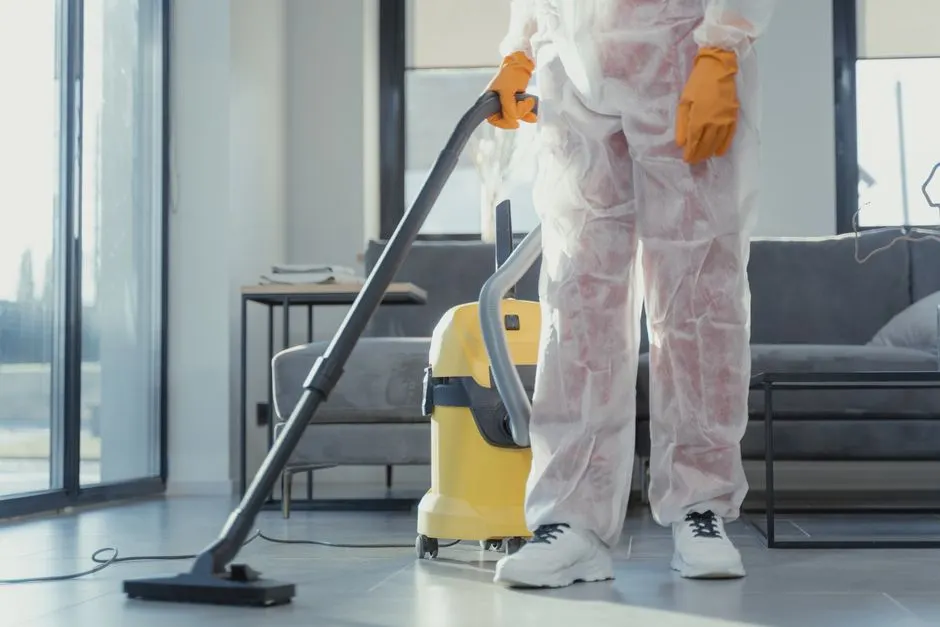
Person in protective gear sanitizing home interior for COVID-19 safety.
Licensed Licensed & Bonded
Fully Insured Insured & Bonded
24/7 Emergency Same-Day Response
Warranty Backed 11+ Years Trusted in Philadelphia

What Our Mold Prevention and Moisture Control Includes

Every mold prevention and moisture control Philadelphia PA job starts with a full moisture inspection and ends with verified dry readings. We quote prevention work by square footage so you know the number before we start. Here is what is covered in a standard visit.

Thermal Moisture Inspection

We walk your basement, attic, and crawl space with a thermal imaging camera and moisture meter. Every damp reading gets logged and photographed. You get a written summary the same day, usually within two hours. This inspection is credited toward any prevention work you book.

Leak and Source Repair

We seal foundation cracks, repair roof leaks, reconnect downspouts, and fix weeping supply lines. If a pipe is leaking behind drywall, we open the cavity, repair it, and dry the framing before closing up. Fixing the source is the only prevention that actually holds.

Drying and Dehumidification

Standing water and saturated materials get dried with Dri-Eaz and Phoenix Restoration Equipment units. We run equipment until moisture meter readings hit dry-standard baselines, usually two to four days. For crawl spaces, we set a dehumidifier on a humidistat so it runs only when needed.

Vapor Barrier and Sealing

We install a 20-mil encapsulation liner across crawl space floors and up the walls, seal rim joists with foam, and apply antimicrobial coating to any framing that showed growth. Every seam gets taped and every pipe penetration gets sealed. This is the step that keeps ground moisture out for good.

Verification and Walkthrough

Before we leave, we take final moisture readings and confirm indoor humidity is below 50 percent. We show you how to read the dehumidifier, when to change HEPA filters, and what to check after a heavy storm. You get a one-year workmanship warranty on sealing and barrier work.

Mold Prevention and Moisture Control Philadelphia PA


Mold prevention and moisture control Philadelphia PA is a building-science service that finds and fixes the water sources mold needs to grow. We use a thermal imaging camera to spot cold spots behind drywall, a moisture meter to read hidden dampness in joists and subfloor, and a boroscope to inspect wall cavities without tearing them open. From there we seal foundation leaks, install vapor barriers, and set up dehumidifiers that hold indoor humidity below 50 percent. It is not a one-time spray; it is a system that keeps your basement, attic, and living space dry year-round.

Philadelphia's older rowhouse stock and wet seasons drive most of our calls. Basement moisture control Philadelphia PA matters here because stone foundations weep after every heavy rain, and crawl space moisture turns into musty odors that climb into the first floor. We also see attic condensation when warm air leaks through ceiling bypasses and hits a cold roof deck. If you have ever noticed a damp smell in your basement after a storm, that is the moment to call for mold prevention services Philadelphia, Pennsylvania before visible black mold appears.

How Our Moisture Control Process Works

Mold prevention and moisture control Philadelphia PA follows a fixed sequence so nothing gets missed. Here is what you can expect from the first call to the final reading.

01

Schedule

Call or book online — a real human picks up and confirms a 2-hour arrival window.

02

Diagnose

Licensed tech inspects on-site, then walks you through the cause and your options.

03

Fix

The job is completed to code and done right the first time — no shortcuts, no surprises.

04

Guarantee

Every job backed by a written workmanship warranty — and we stand behind it.

Tools and Methods We Use

Tools & Equipment

Thermal Imaging Camera

Finds temperature differences behind drywall, under floors, and along foundation walls that reveal hidden moisture without opening the structure.

Moisture Meter

Reads exact moisture content in wood, drywall, and concrete. We log readings before and after work to prove the structure is dry.

Boroscope

Inspects inside wall cavities and crawl spaces through small access holes, so we can confirm mold growth or leaks without tearing out finished surfaces.

Dri-Eaz Dehumidifier

Pulls two to three times more water per day than box-store units. We size them to cubic footage and set them on a humidistat for crawl spaces and basements.

Phoenix Restoration Equipment Air Mover

Moves high-volume air across wet framing and subfloor to speed drying. We run them until moisture meter readings hit dry-standard baselines.

HEPA Air Scrubber

Filters airborne mold spores and dust during remediation and prevention work. Keeps the rest of your home clean while we work in containment.

Fogger

Applies Benefect and Concrobium antimicrobial coatings evenly across framing and cavity surfaces after physical removal and drying.

Methods & Standards

IICRC WRT Drying Standards

We follow IICRC Water Restoration Technician drying standards, which means daily moisture readings and a documented dry standard for every material. We do not guess when a wall is dry; we measure it against the baseline.

IICRC AMRT Remediation Protocol

When prevention work uncovers active growth, we follow IICRC Applied Microbial Remediation Technician protocol: negative air containment, HEPA filtration, physical removal, and antimicrobial coating. This is the standard insurance carriers recognize.

Vapor Barrier and Encapsulation

We install 20-mil encapsulation liners across crawl space floors and up walls, tape every seam, and seal pipe penetrations. Combined with a dehumidifier on a humidistat, this holds indoor humidity below 50 percent through Philadelphia's wet seasons.

EPA Lead-Safe and OSHA Containment

Philadelphia has a lot of pre-1978 housing. We follow EPA Lead-Safe practices and OSHA containment rules on every job, including personal protective equipment and N95 respirators for our crew. Your family stays protected while we work.

When to Call for Moisture Control

01

You smell a musty odor in your basement every time it rains, but there is no visible mold yet.

What we do: We inspect with a thermal imaging camera and moisture meter to find the hidden dampness. Then we seal the source, install a vapor barrier if needed, and set a dehumidifier on a humidistat. The smell goes away because the moisture does.

→ Indoor humidity drops below 50 percent and stays there. You avoid the remediation bill that would have followed visible mold growth.

02

You are buying a Philadelphia rowhouse and the home inspection flagged dampness in the crawl space.

What we do: We perform a full moisture inspection, document readings, and quote encapsulation and vapor barrier installation by square footage. The report works for your real estate file and your insurance carrier.

→ You close with a clear picture of the moisture situation and a fixed price to fix it. No surprises after settlement.

03

A pipe burst over the winter and you got the water cleaned up, but you want to make sure mold does not follow.

What we do: We verify structural dryness with moisture meters, run additional drying if needed, and apply antimicrobial coating to any framing that was wet. Then we seal the repaired area and check the surrounding cavities.

→ The structure reads dry, no mold colonizes, and you have documentation for your insurance claim.

04

Your finished basement feels damp and cold all summer and the dehumidifier runs nonstop.

What we do: We check the foundation for leaks, seal cracks, and size a commercial Dri-Eaz dehumidifier to your cubic footage. If the space is a crawl space, we encapsulate it. If it is a full basement, we seal the rim joists and add a vapor barrier.

→ The dehumidifier cycles on and off instead of running constantly, and the space stays comfortable. Most Philadelphia homeowners see a drop in their electric bill too.

How Moisture Control Runs in Philadelphia

Philadelphia's building stock and climate shape every mold prevention and moisture control Philadelphia PA job we run. Most of the city is rowhouses built before 1950, with stone or brick foundations that weep after heavy rain and crawl spaces that were never designed to stay dry. Add Pennsylvania's humid summers, fall nor'easters, and winter freeze-thaw cycles, and you get a city where basement moisture control Philadelphia PA is a year-round concern, not a seasonal one. We see the same pattern in Fishtown, Kensington, and Port Richmond: water enters through the foundation, humidity climbs into the 60s, and mold follows within a week. Our answer is always the same sequence: find the source, seal it, dry the structure, and set a dehumidifier on a humidistat. If you are searching for mold prevention and moisture control in Philadelphia PA near me, we are already working in your neighborhood.

Neighborhoods We Serve

  • Fishtown

    Post-industrial rowhouses with stone foundations and converted warehouse spaces. Crawl space encapsulation and foundation crack sealing are the most common prevention jobs here.

  • Mount Airy

    Larger twins and single-family homes with finished basements and attic spaces. Attic condensation and rim joist sealing drive most of our calls in this neighborhood.

  • University City

    A mix of student rentals and owner-occupied rowhouses. Property managers here need documented moisture control for insurance and turnover inspections.

  • South Philadelphia

    Dense rowhouse blocks with shared walls and small rear yards. Sump pump installation and downspout repair are the highest-value prevention steps on these blocks.

  • Germantown

    Older stone and stucco homes where foundation leaks and crawl space moisture are common. Vapor barrier installation and dehumidification solve most of what we find.

Local Conditions We Plan For

  • Humid Pennsylvania summers push outdoor air past 70 percent

    Open crawl space vents pull that air inside, where it condenses on cool joists. Sealing vents and running a dehumidifier is the only way to hold indoor humidity below 50 percent.

  • Fall nor'easters dump inches of rain in hours

    Stone foundations weep and sump pumps cycle hard. We test float switches and add battery backups before the storm season so your basement stays dry.

  • Winter freeze-thaw cycles open foundation cracks

    Water enters through cracks that were tight in summer. We seal them with hydraulic cement and exterior-grade membrane so spring meltwater stays outside.

  • Pre-1978 housing stock triggers EPA Lead-Safe rules

    Any work that disturbs painted surfaces needs lead-safe containment. We follow EPA Lead-Safe practices and OSHA rules on every Philadelphia job, with N95 respirators and personal protective equipment for our crew.

Fishtown Basement Goes From Damp to Dry

Before

A 1920s rowhouse basement read 68 percent relative humidity with a musty smell after every rain. The stone foundation had three visible cracks and no vapor barrier. The homeowner was running a box-store dehumidifier that could not keep up.

After

We sealed the three cracks with hydraulic cement and exterior-grade membrane, installed a 20-mil vapor barrier, and set a Dri-Eaz dehumidifier on a humidistat at 45 percent. Humidity dropped to 44 percent within three days and stayed there through the next two rain events.

Maintenance: Empty the dehumidifier or check the condensate line weekly, and re-test the sump pump every spring. We recommend a moisture meter check each fall before the wet season starts.

Before

A six-unit rowhouse portfolio had mold returning to the same crawl space every year. Ground moisture was wicking up through bare soil, and open vents pulled humid summer air inside. The property manager had paid for spray treatments twice with no lasting result.

After

We removed the mold, treated framing with Fiberlock antimicrobial coating, installed a 20-mil encapsulation liner, sealed the vents, and added a dehumidifier on a humidistat. Fourteen months later the crawl space still reads dry and no mold has returned.

Maintenance: Check the dehumidifier filter every 90 days and confirm the humidistat is set to 45 percent. We do an annual moisture reading for the property file.

Before

A roof leak had been repaired, but mold kept growing on the attic sheathing every winter. Warm air was leaking through ceiling bypasses and condensing on the cold roof deck. The homeowner had sprayed the mold twice with no lasting effect.

After

We removed the affected sheathing, sealed the ceiling bypasses with foam, and added ventilation so the deck stays dry. The attic has stayed dry through two winters, and moisture meter readings on the framing are back to baseline.

Maintenance: Check the attic after the first cold snap each year and confirm the ventilation paths are clear. Replace the HVAC filter every 90 days to keep dust and spores down.

Moisture Problems We Solve in Philadelphia

Most mold calls in Philadelphia County trace back to one of a handful of moisture sources. Here are the ones we fix most often, and what happens if they go untreated.

Problem

Weeping stone foundation after heavy rain

Water wicks into basement walls and floor framing, feeding black mold within 48 hours. Musty odors climb into the first floor and HVAC contamination spreads spores through the house.

Our Fix

We seal foundation cracks with hydraulic cement and exterior-grade membrane, install a vapor barrier, and set a dehumidifier on a humidistat. Most Philadelphia basements hold below 50 percent humidity after our work, even through a three-day rain.

Problem

Crawl space ground moisture and vented humidity

Open crawl space vents pull Pennsylvania's humid summer air into the space, where it condenses on cool joists. Wood rot and mold follow, and the first floor stays damp and cold all winter.

Our Fix

We install a 20-mil encapsulation liner, seal the vents, and add a dehumidifier. This is the highest-impact prevention step for Philadelphia rowhouses. Most crawl space jobs finish in two days and cut first-floor humidity noticeably.

Problem

Attic condensation on the roof deck

Warm air leaking through ceiling bypasses hits a cold roof deck and condenses. Sheathing grows mold, insulation loses R-value, and the problem returns every winter until the air leak is sealed.

Our Fix

We remove affected sheathing, seal the bypasses with foam, and add ventilation so the deck stays dry. Prevention means fixing the air leak, not just spraying the mold. Philadelphia attics stay dry through freeze-thaw cycles after this work.

Problem

Slow supply-line leak behind a wall

A pinhole leak in copper or a failed PEX fitting feeds mold inside the wall cavity for months. You smell it before you see it, and by then the drywall and insulation are contaminated.

Our Fix

We trace the leak with thermal imaging and a boroscope, repair the pipe, and dry the cavity with air movers. Then we replace the drywall with mold resistant drywall and seal it. Most Philadelphia leak calls are resolved in a single visit.

Why Moisture Control Pays Off

Why Moisture Control Pays Off

Mold prevention and moisture control Philadelphia PA saves you from the bigger bill that comes with active mold growth. Here is what a dry home actually gets you.

  • Lower Mold Risk

    Mold needs 24 to 48 hours of dampness to colonize drywall and wood. When we keep your basement and crawl space below 50 percent relative humidity, that window closes. You avoid the black mold, musty odors, and HVAC contamination that follow a wet season, and you skip the six-figure remediation some Philadelphia homeowners face after a slow foundation leak goes unnoticed.

  • Better Air Quality

    Damp air carries mold spores, dust mites, and that basement smell into your living room. Sealing crawl space vents, running a dehumidifier, and installing HEPA filters on your HVAC returns cuts airborne spores. Families in University City and Germantown tell us the difference is obvious within a week, especially for kids with allergies or asthma.

  • Protects Your Structure

    Water rots wood joists, spalls brick, and rusts steel lally columns. A vapor barrier and foundation waterproofing stop that decay before it costs you a floor. We have pulled up subfloor in South Philadelphia rowhouses where a slow supply-line leak had been feeding mold for months; catching it early is the difference between a $900 fix and a $12,000 rebuild.

  • Saves on Energy

    Wet crawl spaces and unsealed rim joists pull heat out of your home all winter. When we air-seal and insulate those areas, your furnace works less. One Fishtown homeowner cut her January gas bill by about 12 percent after we encapsulated her crawl space and sealed the band joist. Dry air is cheaper air.

What Mold Prevention and Moisture Control Costs

Typical 2026 pricing for mold prevention and moisture control Philadelphia PA runs $450 to $3,800 depending on square footage and how many water sources we find. A moisture inspection starts at $250 and is credited toward any prevention work you book. Crawl space encapsulation and vapor barrier installation are quoted by square footage, not by the hour. Foundation crack sealing runs $350 to $700 per crack, and a dehumidifier setup with a humidistat adds $600 to $1,200. We give you the number before we start.

Typical Investment Range

$450 - $3,800 depending on scope

Prevention costs a fraction of remediation. A $2,400 crawl space encapsulation that keeps mold out for a decade beats a $12,000 remediation bill plus the disruption of containment and material removal. We quote by square footage so you can compare options directly.

What changes the price

01

Square footage

Crawl space and basement prevention work is priced by the square foot because liner, sealant, and labor scale directly with area. A 400-square-foot crawl space costs less than a 1,200-square-foot basement, and we quote both the same way.

02

Number of water sources

One foundation crack is a simple fix. Three cracks plus a weeping pipe plus a failed sump pump is a bigger job. We map every source during the inspection and price each one separately so you can see where the money goes.

03

Access and obstructions

Finished basements, low crawl spaces, and stored belongings slow the work. If we have to move or work around a lot of material, labor hours go up. Clearing the space before we arrive is the easiest way to keep the price down.

04

Dehumidifier size

A 70-pint unit for a small crawl space costs less than a commercial Dri-Eaz unit sized for a full basement. We size the unit to your cubic footage so you are not paying for capacity you do not need, or undersizing and running it constantly.

05

Barrier and coating materials

A 20-mil encapsulation liner and antimicrobial coating add material cost, but they are what makes prevention last. Skipping them saves money now and costs more later when moisture returns and mold follows.

Licensed, Certified, and Reviewed

Licensed & Certified

  • IICRC WRT (Water Restoration Technician) — issued by Institute of Inspection, Cleaning and Restoration Certification
  • IICRC AMRT (Applied Microbial Remediation Technician) — issued by Institute of Inspection, Cleaning and Restoration Certification
  • EPA Lead-Safe Certified Firm — issued by U.S. Environmental Protection Agency
  • OSHA Compliant Crew — issued by Occupational Safety and Health Administration
  • PA Mold Remediation License — issued by Commonwealth of Pennsylvania

Verified Reviews

Google ★★★★★4.9

They found a foundation leak with a thermal camera that two other companies missed. Sealed it, installed a vapor barrier, and set a dehumidifier. Humidity went from 67 percent to 45 percent in three days. Straightforward pricing and they showed me the moisture readings at every step.

Yelp ★★★★★4.8

We manage rental properties in University City and had mold coming back in a crawl space every year. Mold Removal Philly encapsulated it and documented everything for our insurance claim. Fourteen months later it is still dry. Their prevention work actually solved the problem.

BBB ★★★★★4.9

After a roof leak, they removed the attic mold, sealed the ceiling bypasses, and added ventilation. The attic has stayed dry through two winters. They walked me through the maintenance routine and did not try to upsell anything I did not need.

Moisture Control Experience You Can Verify

Mold Removal Philly has been drying out Philadelphia homes since 2015, which means 11 years of rowhouse basements, stone foundations, and post-storm call-outs. Our technicians hold IICRC WRT (Water Restoration Technician) and IICRC AMRT (Applied Microbial Remediation Technician) credentials, and we follow OSHA and EPA Lead-Safe practices on every job. We have completed thousands of moisture inspections across Philadelphia County and carry the tools to prove what we find: thermal imaging, moisture meters, boroscopes, and data-logging hygrometers. When we tell you a wall is dry, we have the numbers to back it up.

  • IICRC WRT and AMRT certified technicians on every moisture control job
  • 11 years serving Philadelphia County rowhouses, twins, and commercial properties
  • Thermal imaging and moisture meter readings documented before and after work
  • EPA Lead-Safe and OSHA-compliant containment on pre-1978 Philadelphia homes
  • Direct insurance documentation support using Xactimate line items
Get Started Today
Moisture Control Experience You Can Verify

What Philadelphia Homeowners Say

Real experiences from customers who chose our Mold Prevention and Moisture Control services.

“Our basement smelled musty every spring and we could not figure out why. The crew found a foundation crack with a thermal camera, sealed it, and installed a vapor barrier and dehumidifier. Humidity dropped from 68 percent to 44 percent in three days. Two wet seasons later, no smell, no mold. They showed me the moisture meter readings before and after, which I appreciated.”

M

Maria D.

Homeowner, Fishtown

“We manage six rowhouses and had mold coming back in the same crawl space every year. Mold Removal Philly encapsulated it, sealed the vents, and set a dehumidifier on a humidistat. They documented everything in Xactimate for our insurance claim. That was 14 months ago and the crawl space is still dry. Their prevention work actually solved the problem instead of just spraying it.”

J

James R.

Property Manager, University City

“After a roof leak, we had mold on the attic sheathing. They removed it, sealed the ceiling bypasses, and added ventilation so warm air stops hitting the cold deck. The attic has stayed dry through two winters. They also walked me through changing the HEPA filter and checking the dehumidifier. Straightforward crew, fair price, no upselling.”

D

Denise W.

Homeowner, Mount Airy

Frequently Asked Questions About Mold Prevention in Philadelphia

Real answers to the questions we hear most often from local homeowners and property managers.

How much does mold prevention cost in Philadelphia PA?
Most mold prevention and moisture control Philadelphia PA jobs run $450 to $3,800, with a typical rowhouse crawl space encapsulation landing near $2,400. A basic moisture inspection starts at $250 and is credited toward any work you book. Foundation crack sealing runs $350 to $700 per crack, and a full basement dehumidification setup with a humidistat adds $600 to $1,200. Prices depend on square footage, how many water sources we find, and whether we need to open walls.
How can I prevent mold in my Philadelphia home?
Keep indoor humidity below 50 percent, fix leaks within 48 hours, and seal the paths water uses to get in. Run a dehumidifier in your basement from April through October, clear gutters before fall rain, and check under sinks monthly. If you have a crawl space, a vapor barrier and sealed vents stop ground moisture from rising into the house. We install all of that, then show you the maintenance routine so it keeps working.
What is the best moisture control for Philadelphia basements?
For Philadelphia's stone and brick foundations, the best approach combines exterior-grade crack sealing, a sump pump with a battery backup, and a commercial dehumidifier on a humidistat set to 45 percent. Vapor barrier installation on crawl space floors and walls is the other half of the job. Together they hold basement humidity in the 40s even after a three-day rain. We size the dehumidifier to your cubic footage, not a one-size-fits-all unit.
Does mold prevention require a dehumidifier in Pennsylvania?
Yes, for most Philadelphia County homes. Pennsylvania summers push outdoor humidity past 70 percent, and that air migrates into basements and crawl spaces through vents and rim joist gaps. Without a dehumidifier, indoor humidity climbs into the 60s and mold can colonize within a week. We install Dri-Eaz or Phoenix Restoration Equipment units sized to your space, set them on a humidistat, and show you how to drain and maintain them.

Related Services We Provide

Mold Inspection and Testing

Every mold prevention and moisture control Philadelphia PA plan starts with inspection. We use thermal imaging and moisture meters to find hidden dampness, then take air and surface samples to confirm what is growing. Results come back in 24 to 48 hours so you know exactly what you are dealing with before we seal or repair anything.

View Mold Inspection and Testing

Mold Remediation

When moisture control Philadelphia work uncovers active growth, remediation removes it. We build negative air containment, run HEPA air scrubbers, and remove contaminated drywall and insulation. Once the mold is gone, our prevention team seals the source so it does not return. Most Philadelphia remediation jobs take three to five days.

View Mold Remediation

Black Mold Removal

Black mold often shows up in Philadelphia basements after a slow foundation leak. We treat it with Fiberlock and Concrobium antimicrobial coatings after physical removal, then verify clearance with post-remediation testing. Prevention follows immediately: vapor barrier, dehumidifier, and sealed rim joists so the same corner stays dry.

View Black Mold Removal

Residential Mold Removal

Rowhouses, twins, and single-family homes across Philadelphia County all get the same prevention-first approach. We inspect, dry, seal, and monitor. Residential jobs typically run two to four days for remediation plus prevention, and we leave you with a maintenance checklist tied to Philadelphia's wet seasons.

View Residential Mold Removal

Commercial Mold Removal

Offices, restaurants, and retail spaces in Center City and University City need moisture control that fits around business hours. We work nights and weekends, use negative air machines to keep dust out of customer areas, and document everything in Xactimate for property managers. Prevention plans include quarterly humidity checks.

View Commercial Mold Removal

Attic Mold Removal

Attic condensation in Philadelphia comes from warm air leaking through ceiling bypasses and hitting a cold roof deck. We remove affected sheathing, seal the bypasses, and add ventilation so the deck stays dry. Prevention means fixing the air leak, not just spraying the mold, so it does not come back next winter.

View Attic Mold Removal

Schedule Your Mold Prevention and Moisture Control Philadelphia PA Visit

One call gets a certified technician to your door, usually the same day. We inspect with thermal imaging, show you the moisture readings, and quote prevention work by square footage. Licensed, insured, and backed by a one-year workmanship warranty.

Call Now Book Inspection

Contact Mold Removal Philly

Call +1 2152813400 or email [email protected] and we will schedule an inspection, usually the same day if you reach us before noon. Water emergencies get 24/7 response. We serve every neighborhood in Philadelphia County, from Center City to Northeast Philadelphia.

Or call us right now at +1 2152813400 — we answer.

Mold Removal Philly


  • Address

    Pearson Avenue, Unit A Philadelphia, PA 19114

  • Hours

    Mon–Fri: 7AM – 7PM
    Sat: 8AM – 4PM
    Sun: Emergency Only
    24/7 Emergency Available

Call +1 2152813400 Get Quote
Call Quote