Full Mold Inspection
Thermal imaging, moisture meter readings and boroscope checks behind walls and above ceilings. We map every affected area and document it with photos before any containment goes up.
Every commercial mold removal in Philadelphia starts with a full inspection and ends with a written clearance report. Here is what is covered in a standard scope. If your building needs structural repair, roof work or HVAC replacement, we will tell you upfront and coordinate it rather than surprise you mid-job.
Thermal imaging, moisture meter readings and boroscope checks behind walls and above ceilings. We map every affected area and document it with photos before any containment goes up.
6-mil poly barriers, negative air machines and HEPA air scrubbers sized for your square footage. This keeps spores out of occupied areas and protects your inventory and equipment.
We remove mold-affected drywall, ceiling tile, insulation and other porous materials, bag them inside containment and haul them out through a dedicated path so nothing tracks through clean space.
Structural surfaces get HEPA vacuumed, wire-brushed where needed and treated with antimicrobial coating. Heavy staining gets RMR-86 or ShockWave. We use Fiberlock and Concrobium products depending on the substrate.
Commercial dehumidifiers and air movers bring structural moisture down to dry standard. We monitor readings daily and do not pull equipment until the numbers hold, usually 48 to 72 hours.
Post-remediation air and surface sampling confirms spore counts are back to baseline. You get a written clearance report with before-and-after readings, photos and scope documentation for your insurer.
Commercial Mold Removal in Philadelphia is the process of containing, removing and verifying mold growth in a commercial building so the space is safe to occupy again. We start with a moisture meter and thermal imaging camera to map every wet pocket behind walls and above ceilings, then set negative air machines and HEPA filters to stop spores from migrating into clean areas. Affected drywall, ceiling tile and insulation come out, get bagged and hauled away. Surfaces get treated with an antimicrobial coating, and we finish with a post-remediation verification before anyone returns to work.
Philadelphia's older commercial stock is the reason most of these calls come in. Brick rowhouse storefronts in Fishtown and Port Richmond wick water through foundation leaks and crawl space moisture, while Center City office towers deal with HVAC contamination and attic condensation after a long humid summer. If you search commercial mold removal in Philadelphia PA near me after a storm, you are usually looking at a problem that started weeks earlier. We handle business mold remediation services Philadelphia, Pennsylvania property owners call about most: flooded basements, wet ceiling grids and that musty odor customers notice at the front door.
Five steps, no surprises. Here is exactly what happens from the first phone call to the day your space passes clearance and your team moves back in.
Schedule
Call or book online — a real human picks up and confirms a 2-hour arrival window.
Diagnose
Licensed tech inspects on-site, then walks you through the cause and your options.
Fix
The job is completed to code and done right the first time — no shortcuts, no surprises.
Guarantee
Every job backed by a written workmanship warranty — and we stand behind it.
Thermal Imaging Camera
Finds temperature differences behind walls and above ceilings that indicate hidden moisture. It is how we locate mold growth you cannot see before we open anything up.
Moisture Meter
Gives us exact percentage readings in drywall, wood and concrete. We use it to map the affected area and to confirm the building is dry before we pull equipment.
Negative Air Machine
Creates negative pressure inside containment so spores cannot escape into occupied areas. Sized to the cubic footage of the contained zone on every job.
HEPA Air Scrubber
Filters airborne spores down to 0.3 microns and runs continuously during remediation. We keep them running overnight on commercial jobs so the air is clean by morning.
Dri-Eaz and Phoenix Dehumidifiers
Commercial-grade LGR dehumidifiers that pull structural moisture down to dry standard. We size the count to your square footage, not a one-size-fits-all package.
Boroscope
A camera on a flexible probe that lets us see inside wall cavities and ductwork without unnecessary demolition. It confirms the extent of growth before we cut.
Fogger
Applies Benefect or Concrobium as a fine mist to reach surfaces a sprayer cannot. We use it on racking, duct interiors and hard-to-reach framing after removal.
IICRC S520 Remediation Standard
We follow the IICRC S520 standard for mold remediation, which governs containment, removal, cleaning and verification. It is the benchmark insurers and industrial hygienists expect, and it is what our clearance reports are built around.
Negative Pressure Containment
Every commercial job gets a sealed containment zone with negative air pressure. This is the single most important step for keeping spores out of occupied areas, and we do not skip it to save time.
Antimicrobial Coating Application
After removal and HEPA vacuuming, structural surfaces get treated with an antimicrobial coating. We match the product to the substrate, using Fiberlock, Concrobium or RMR-86 depending on what we are treating.
Post-Remediation Verification
We re-test air and surfaces after drying and treatment. If spore counts are not back to outdoor baseline, the job is not done. You get the readings in writing for your insurer or landlord.
01
What we do: We contain the affected floor, remove wet ceiling tile and insulation, HEPA vacuum the plenum and treat the structure. Air scrubbers run overnight so tenants on other floors are not affected.
→ The floor is back in service in four days with a clearance report the property manager can file with the building owner.
02
What we do: We work after close, remove affected drywall and cabinetry, treat the framing and rebuild with mold resistant drywall. The drain gets repaired before we close the wall.
→ No dinner service is lost, and the health inspector signs off on the clearance paperwork at the next inspection.
03
What we do: We extract standing water, remove wet materials, run commercial dehumidifiers and treat the racking with a fogger. We also repair the sump pump and clear the gutters that caused the backup.
→ The bay is dry and odor-free in three days, and a maintenance plan keeps it that way through the next storm season.
04
What we do: We inspect the air handler and ductwork, clean and seal the ducts, replace contaminated filters and insulation, and run air scrubbers during the work.
→ Air quality testing comes back at baseline and the complaints stop.
Philadelphia commercial buildings present problems you do not see in newer construction. Brick rowhouse storefronts in Fishtown and Port Richmond wick water through foundation leaks and crawl space moisture, and pre-1978 construction means EPA Lead-Safe practices apply during demolition. Center City office towers deal with HVAC contamination and attic condensation after humid summers. The city's combined sewer system means basement backups are a real risk during heavy rain, and that water is Category 3, which changes how we contain and dispose of materials. Our crews are set up for all of it, from a 900-square-foot corner store to a multi-floor office loss. If you need business mold remediation services Philadelphia, Pennsylvania property owners trust after a storm, we are already working in your neighborhood.
Center City
High-rise office and mixed-use buildings where roof leaks and HVAC contamination are the most common sources of commercial mold growth.
Fishtown
Converted rowhouse storefronts and restaurants with older plumbing and foundation leaks that feed mold behind prep lines and bar walls.
Northeast Philadelphia
Warehouses and light industrial buildings where sump pump failures and roof leaks cause large-footprint losses during storm season.
University City
Clinics, labs and institutional buildings with strict air quality requirements and HVAC systems that need careful containment during remediation.
South Philadelphia
Corner stores and multi-family commercial properties with crawl space moisture and sewer backups that drive recurring musty odors.
Combined sewer backups during heavy rain
Basement flooding in Philadelphia commercial buildings is often Category 3 water, which requires full containment, removal of porous materials and EPA-registered disinfection before drying.
Pre-1978 building stock across most neighborhoods
Demolition on older Philadelphia commercial buildings falls under EPA Lead-Safe rules. We are certified for that work, which keeps your renovation compliant and your crew safe.
Humid summers and attic condensation
Philadelphia summers push humidity into attic spaces and roof decks, feeding mold on sheathing and insulation. We treat the growth and fix the ventilation so it does not return each August.
Freeze-thaw cycles and burst pipes
Winter pipe failures in Philadelphia commercial buildings release water behind walls where it sits unnoticed. We find it with thermal imaging before mold has a chance to colonize.
Most commercial mold calls in Philadelphia trace back to one of a handful of water problems. Here is what we see most often and how we handle each one.
Problem
By the time you see it, the cavity has been wet for weeks and the growth has spread along the studs. Air quality drops and staff start complaining about headaches and odors.
Our Fix
We use thermal imaging to map the full extent, cut out affected drywall to the stud line, HEPA vacuum the cavity and treat the framing with antimicrobial coating. The leak gets repaired before we close anything up.
Problem
Retail and restaurant businesses lose walk-in traffic when the entry smells like a wet basement. It usually means crawl space moisture or HVAC contamination is feeding the problem.
Our Fix
We trace the odor to its source, remediate the affected area and run a fogger with Benefect or Concrobium to neutralize what is left. If the crawl space is the cause, we install a vapor barrier and encapsulation liner.
Problem
A contaminated air handler pushes mold spores into every room it serves. Tenants on multiple floors report symptoms and the problem keeps coming back after surface cleaning.
Our Fix
We clean and seal the ductwork, replace contaminated insulation and filters, and run air scrubbers during the job. Duct sealant closes gaps so the system stops distributing spores.
Problem
Category 3 water carries bacteria and accelerates mold growth fast. Anything porous it touches is contaminated and the space is unusable until it is properly remediated.
Our Fix
We extract, remove contaminated materials under full containment, disinfect with EPA-registered products and dry the space to standard. Clearance testing confirms it is safe before your staff returns.
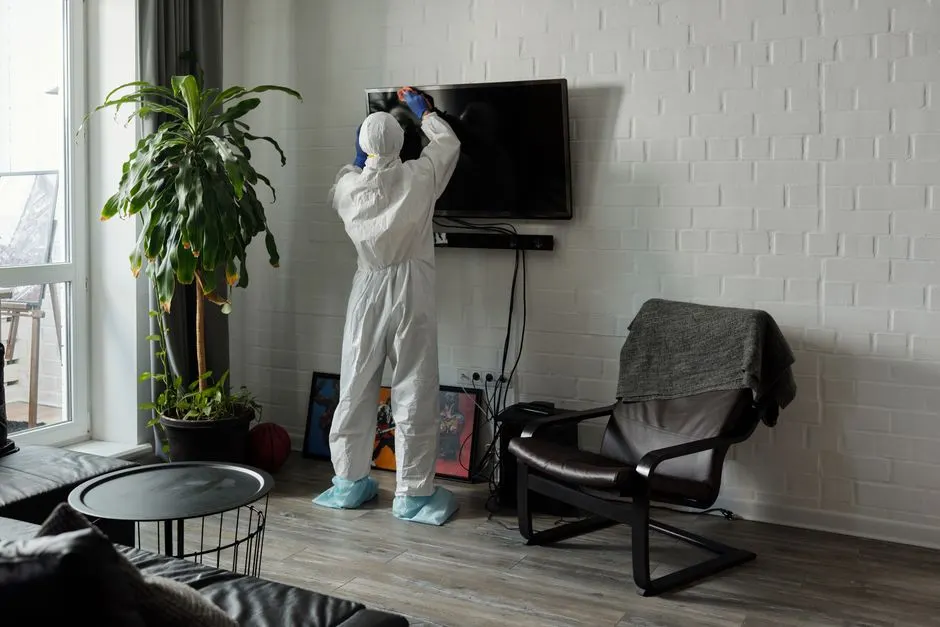
Mold in a commercial space costs you customers, staff hours and sometimes your certificate of occupancy. Here is what you actually get when you hire a crew that does this every day in Philadelphia.
Fast Emergency Response
We answer 24/7 and roll trucks across Philadelphia County, from 19102 to 19154. Most emergency calls get a technician on site the same day, and we set containment and drying equipment within the first two hours so mold does not spread to a second suite or floor.
Documented for Insurance
Every job gets moisture readings, thermal images and photo logs formatted for Xactimate. That paperwork is what your adjuster needs to approve a claim. We have walked hundreds of Philadelphia commercial claims through from first inspection to final clearance.
Work Around Your Hours
Retail stores, restaurants and clinics cannot shut down for a week. We schedule containment builds and demolition after close, run air scrubbers overnight, and stage final cleaning on weekends. Your staff walks into a clean space at open, not a construction zone.
Clearance Testing Included
We do not call a job done because the wall looks dry. Post-remediation verification with air sampling confirms spore counts are back to outdoor baseline. You get a written clearance report you can hand to a landlord, a health inspector or your own insurance carrier.
Typical 2026 pricing for commercial mold removal in Philadelphia runs $1,800 to $12,000, with most office and retail losses landing around $4,500. Small contained areas under 100 square feet can come in near $1,200. Emergency and after-hours work adds a premium, and multi-floor losses or HVAC contamination push the number higher. We give you a written scope and price before containment goes up, and we bill insurance directly when the loss is covered. No surprise change orders for equipment we already told you we would use.
Typical Investment Range
$1,200 - $12,000 depending on scope
The cost of remediation is almost always less than the cost of a closed business, a failed inspection or a lawsuit over air quality. We document everything for your insurer so the claim goes through cleanly.
What changes the price
Square footage affected
The single biggest driver. A 100-square-foot contained area takes a day and a small equipment package. A 2,000-square-foot loss needs multiple containment zones, more scrubbers and several days of drying.
Materials involved
Porous materials like drywall, ceiling tile and insulation have to come out and be replaced. Structural wood and concrete can usually be cleaned and treated, which keeps the cost down.
HVAC contamination
If mold has reached the ductwork, we have to clean and seal the system and replace contaminated insulation and filters. That adds labor and equipment time to the job.
Water category
Category 3 water from sewage backup requires full containment, removal of all porous materials and EPA-registered disinfection. That is a bigger scope than a clean-water pipe leak.
Access and after-hours work
Working nights and weekends to keep your business open adds labor cost. Tight access in older Philadelphia buildings, like narrow stairwells or no freight elevator, also adds time.
Clearance testing
Post-remediation verification with air and surface sampling is included in our standard scope. It is what proves the job is done and what your insurer needs to close the claim.
Google ★★★★★4.9
Called them after a sprinkler line broke in our Center City office. They had containment up the same afternoon and worked around our tenants all week. Clearance report was in my inbox the day they finished. Exactly what you want from a commercial contractor.
Yelp ★★★★★4.8
We had black mold behind the bar in our Fishtown restaurant. They worked after close, kept the mess contained and rebuilt the wall with mold resistant drywall. Health inspector passed us on the first visit. Worth every dollar.
BBB ★★★★★4.9
Sewage backup in our Northeast Philly warehouse and these guys handled the whole thing, extraction, disinfection, drying and the paperwork for our insurer. Three days and the bay was back in service. They also fixed the sump pump that caused it.
Google ★★★★★5.0
Property manager here. I have used Mold Removal Philly on three buildings in University City. They show up when they say they will, document everything and their clearance testing is thorough. That is rare in this trade.
Mold Removal Philly has been working commercial buildings in Philadelphia since 2015. Our technicians hold IICRC WRT and AMRT certifications, and we follow OSHA respiratory protection standards on every containment build. We have handled everything from a 900-square-foot corner store in South Philadelphia to multi-floor office losses in Center City. We are licensed for PA mold remediation work, carry full insurance, and use EPA Lead-Safe practices on pre-1978 buildings, which covers most of Philadelphia's commercial stock. When we say we have seen your problem before, we mean it literally.
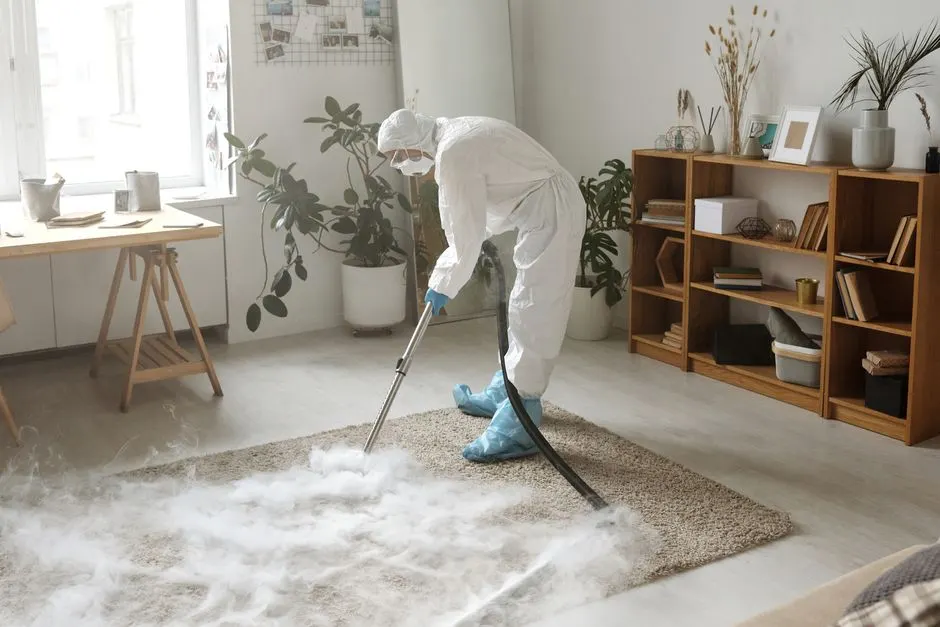
Real experiences from customers who chose our Commercial Mold Removal services.
“A roof leak soaked two floors of ceiling tile over a weekend and we had visible mold by Monday. Mold Removal Philly had containment up that afternoon and air scrubbers running overnight. They worked around our tenants, kept the elevators clear and finished in five days. The clearance report went straight to our insurer with no back and forth.”
Marcus T.
Property Manager, Center City
“We had black mold behind the prep line from a slow leak we never caught. They tore out the wet drywall, treated the framing and reinstalled mold resistant board. Most of the work happened after close so we never lost a dinner service. Health inspector signed off on the clearance paperwork without a single question.”
Danielle R.
Restaurant Owner, Fishtown
“Sewage backup in our loading area left a mess and a smell that would not quit. Their crew extracted, disinfected and dried the whole bay in three days. They used a fogger on the racking and the musty odor was gone. We have them on a maintenance plan now for the sump pump and gutters.”
Kevin O.
Warehouse Manager, Northeast Philadelphia
Real answers to the questions we hear most often from local homeowners and property managers.
Every commercial mold removal job starts with inspection. We use thermal imaging and moisture meters to find hidden growth, then lab-test air and surface samples so you know exactly what you are dealing with before demolition starts.
View Mold Inspection and TestingOur core remediation service covers containment, removal, antimicrobial treatment and clearance testing for Philadelphia commercial spaces. It is the same process we run on offices, retail stores and warehouses across Philadelphia County.
View Mold RemediationBlack mold in a commercial building needs containment and HEPA filtration, not a spray bottle. We identify the species, remove affected materials and treat the substrate so it does not return after the next Philadelphia rainstorm.
View Black Mold RemovalMany Philadelphia landlords and property managers call us for both sides of a building. Our residential crews handle apartments, rowhouses and multi-family units with the same containment and clearance standards we use commercially.
View Residential Mold RemovalAttic condensation and roof leaks drive a lot of mold growth in Philadelphia rowhouses. We remove affected sheathing and insulation, treat the framing and fix the ventilation problem so it does not come back every winter.
View Attic Mold RemovalCommercial basements in Philadelphia flood from foundation leaks and sewage backup. We extract, remove affected materials, treat with antimicrobial coating and dry the space to standard before any tenant moves back in.
View Basement Mold RemovalCall +1 2152813400 or email [email protected] and we will schedule an inspection, usually the same day if you reach us before noon. Water emergencies get 24/7 response. We serve every neighborhood in Philadelphia County, from Center City to Northeast Philadelphia.
Phone
+1 2152813400Address
Pearson Avenue, Unit A Philadelphia, PA 19114
Hours
Mon–Fri: 7AM – 7PM
Sat: 8AM – 4PM
Sun: Emergency Only
24/7 Emergency Available