
Full Mold Inspection
Moisture meter, thermal imaging camera, and boroscope inspection of attics, basements, and wall cavities. Lab air samples when needed, with results in 24 to 48 hours.
Every residential mold job we quote in Philadelphia includes the core steps below. If your project needs extra work, like crawl space encapsulation or HVAC cleaning, we price it separately and tell you before we start.
Moisture meter, thermal imaging camera, and boroscope inspection of attics, basements, and wall cavities. Lab air samples when needed, with results in 24 to 48 hours.
6-mil poly barriers, negative air machine, and air scrubbers with HEPA filters. This keeps spores out of your living space during removal and drying.
Removal of moldy drywall, insulation, and trim, plus HEPA vacuuming of all surfaces. Solid framing gets wire-brushed and treated with antimicrobial coating.
Dri-Eaz and Phoenix dehumidifiers plus air movers, monitored daily until framing reads below 16 percent moisture content. This is what stops regrowth.
Post-Remediation Verification and Clearance Testing with a third-party lab. You get a written report showing spore counts back to normal outdoor levels.
Residential Mold Removal in Philadelphia is the process of locating mold growth inside a home, containing it, physically removing contaminated materials, and drying the structure so it cannot return. We start with a moisture meter and thermal imaging camera to trace hidden water, then use a boroscope inside walls and a HEPA vacuum on porous surfaces. Every job follows IICRC WRT and AMRT standards, and we finish with Post-Remediation Verification and Clearance Testing so you know the air is clean.
Philadelphia homes face mold pressure most of the year. Summer humidity sits above 70 percent, fall leaves clog gutters, and winter freeze-thaw cycles push water through old stone foundations. Rowhouse party walls trap moisture between units, and finished basements in neighborhoods like Graduate Hospital and Point Breeze flood after heavy rain. If you search for residential mold removal near me Philadelphia, you want a crew that knows these blocks, not a franchise reading from a script.
Every job runs the same five steps, whether it is a bathroom ceiling in Queen Village or a crawl space in Roxborough. Here is what you can expect from the first call to the final clearance report.
Schedule
Call or book online — a real human picks up and confirms a 2-hour arrival window.
Diagnose
Licensed tech inspects on-site, then walks you through the cause and your options.
Fix
The job is completed to code and done right the first time — no shortcuts, no surprises.
Guarantee
Every job backed by a written workmanship warranty — and we stand behind it.
Thermal imaging camera
Finds hidden moisture behind walls, under floors, and around windows without opening anything up. It is how we catch leaks before they become mold colonies.
Moisture meter
Reads moisture content in drywall, framing, and subfloor. We use it to set drying goals and confirm when framing is below 16 percent.
Boroscope
A camera on a flexible rod that lets us look inside wall cavities and crawl spaces. It confirms mold growth in places you cannot see from the room.
Negative air machine
Creates negative pressure inside containment so spores cannot escape into living space. It runs the entire job, paired with HEPA filters.
Air scrubber
Filters airborne spores and dust during removal. We size scrubbers to the cubic footage of the containment area for proper air changes per hour.
Dri-Eaz and Phoenix dehumidifiers
Low-grain refrigerant and desiccant units that pull moisture out of framing and air. These are the workhorses of our drying phase.
HEPA vacuum
Captures spores at 99.97 percent efficiency on final cleaning. We vacuum every surface in containment before we remove the poly barriers.
IICRC WRT and AMRT standards
Water damage restoration and mold remediation protocols from the IICRC. They govern containment, removal, drying targets, and documentation on every job we run.
Negative pressure containment
We seal the work area with 6-mil poly and run a negative air machine so air flows in, not out. This protects your family and your belongings during removal.
Antimicrobial coating and fogging
After removal we fog with Benefect or Concrobium and apply antimicrobial coating to framing. This addresses spores we cannot see and helps prevent regrowth.
Post-Remediation Verification
Third-party air and surface sampling after the job. Clearance testing confirms spore counts are back to normal before we call the work complete.
01
What we do: We extract any remaining water, remove moldy drywall and insulation, and run Dri-Eaz dehumidifiers until framing is dry. We also check your sump pump and grading to stop the next flood.
→ A dry, odor-free basement and a written prevention plan. Most jobs like this finish in 3 to 5 days.
02
What we do: We find the leak source, remove affected drywall, treat framing with antimicrobial coating, and rebuild with mold resistant drywall. Exhaust fan performance gets checked too.
→ Clean surfaces, a working vent, and no regrowth. Typical bathroom jobs take 1 to 2 days.
03
What we do: We inspect with a boroscope, remove moldy sheathing sections, and improve ventilation. Framing gets HEPA vacuumed and treated. We verify moisture content before finishing.
→ Lower attic humidity, no odor, and protection for your roof deck. Most attic jobs run 2 to 3 days.
04
What we do: We provide a full inspection, lab testing, remediation, and third-party clearance testing with a written report. Documentation is formatted for lenders and buyers.
→ A clean clearance report you can hand to the buyer, usually within 5 to 7 days.
Philadelphia is a tough town for mold. Summer humidity regularly sits above 70 percent, and the city's rowhouse stock means moisture travels through shared party walls. Old stone and brick foundations wick groundwater, and finished basements in neighborhoods like Graduate Hospital and Point Breeze flood after every heavy rain. Attic condensation is common in Chestnut Hill and Mount Airy, where insulation and ventilation were often updated piecemeal. We adjust every job to the building. In a Fishtown rowhouse, that might mean checking the neighbor's side of a party wall. In a Northeast Philadelphia twin, it means inspecting the shared roof line. We also follow EPA Lead-Safe practices on pre-1978 homes, which covers most of the city. If you need home mold remediation services Philadelphia, Pennsylvania, we bring the right equipment and the local experience to finish the job.
Fishtown
Renovated rowhouses often hide old water damage behind new drywall. We use thermal imaging to check party walls and basement stairs before quoting.
Mount Airy
Large older homes with finished attics see condensation mold on roof sheathing. Ventilation upgrades are usually part of the fix.
Point Breeze
Finished basements flood after summer storms. We check sump pumps, grading, and foundation walls on nearly every job here.
Roxborough
Crawl spaces and stone foundations hold ground moisture. Encapsulation and vapor barriers are common recommendations.
Summer humidity above 70 percent
Keeps basements and crawl spaces damp for months. Dehumidification and vapor barriers are the long-term fix, not repeated spraying.
Freeze-thaw cycles in winter
Opens cracks in stone and brick foundations, letting water in during thaws. We seal and waterproof as part of prevention.
Rowhouse party wall moisture
Water travels between units, so mold can appear on your side from a neighbor's leak. We inspect both sides of the wall when access allows.
Aging galvanized supply lines
Common in pre-1950 Philadelphia homes. Slow pinhole leaks soak wall cavities and feed mold for months before you notice.
These are the calls we get most often from homeowners across Philadelphia County. Each one has a fix, and each one gets worse if you wait.
Problem
Spores spread to the first floor within days, and the smell gets into furniture and HVAC returns. Ignoring it usually means replacing more drywall later.
Our Fix
We extract any standing water, remove the moldy drywall, HEPA vacuum the framing, and dry the basement below 16 percent moisture. Then we treat with antimicrobial coating and verify clearance with lab testing.
Problem
Attic mold eats roof sheathing and can void shingle warranties. It also pushes spores into bedrooms through ceiling gaps and recessed lights.
Our Fix
We inspect with a boroscope, remove moldy sheathing where needed, and improve ventilation with ridge and soffit vents. Framing gets treated, and we confirm moisture levels before closing the job.
Problem
Ground moisture keeps relative humidity above 60 percent, which means mold keeps coming back no matter how many times you spray it. Floor joists start to rot.
Our Fix
We remove existing growth, install a heavy vapor barrier, and encapsulate the crawl space. That cuts humidity at the source. Most Philadelphia crawl spaces dry out within a week of encapsulation.
Problem
Every time the heat or AC runs, mold spores circulate through the whole house. Allergy symptoms get worse and clearance testing keeps failing.
Our Fix
We clean the ductwork with HEPA vacuuming, replace filters, seal leaks with duct sealant, and treat the air handler. Then we verify with air sampling before you run the system again.
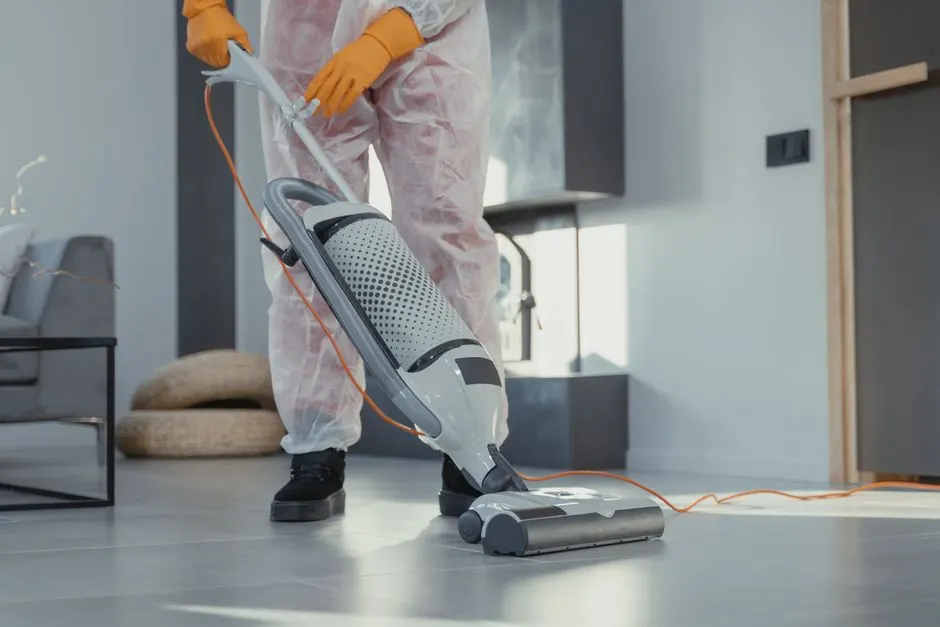
Mold spreads fast and gets expensive when it is ignored. These are the outcomes our customers care about most, and the numbers behind them.
Same-Day Inspection
Call before noon and we are usually on site the same day. Our inspector checks the attic, basement, and crawl space with a thermal imaging camera and moisture meter, then gives you a written scope with photos. No charge for the inspection when you book the work.
Containment That Works
We build 6-mil poly barriers and run a negative air machine with HEPA filters so spores never travel to your kitchen or bedrooms. Air scrubbers run the entire job. On a typical 300-square-foot basement, containment takes about 90 minutes to set up and holds through the whole removal.
Drying, Not Just Spraying
Killing surface mold without fixing the water is a callback waiting to happen. We place Dri-Eaz and Phoenix Restoration Equipment dehumidifiers and air movers, then monitor moisture daily until framing reads below 16 percent. That is the number that stops regrowth.
Clearance You Can Show
After removal we fog with Benefect or Concrobium, apply an antimicrobial coating where needed, and schedule third-party clearance testing. You get a lab report showing spore counts back to normal outdoor levels. That paperwork matters if you sell or rent the house.
Typical 2026 pricing for residential mold removal in Philadelphia runs $1,200 to $6,500, depending on how much material is affected and whether drying equipment is needed. Small bathroom or kitchen jobs sit at the low end. Full basements with drywall removal, containment, and multi-day drying land at the high end. Crawl space encapsulation and HVAC cleaning are priced separately. We inspect first, then give you a written range before any work starts. If you want home mold remediation Philadelphia without surprise line items, that is how we run it.
Typical Investment Range
$1,200 - $6,500 depending on scope
Fixing mold once, correctly, costs less than removing it twice. Our quotes include containment, removal, drying, and clearance testing so you are not paying for hidden extras later.
What changes the price
Square footage affected
A 30-square-foot bathroom ceiling is a one-day job. A 500-square-foot basement with drywall, insulation, and framing takes three to five days and costs proportionally more.
Material type
Porous materials like drywall and insulation must be removed and replaced. Solid wood framing can usually be cleaned and treated, which lowers the cost.
Drying equipment needs
Dehumidifiers, air movers, and air scrubbers add daily rental cost. Most Philadelphia basements need three to five days of drying.
Access and containment
Tight crawl spaces and finished basements with limited access take longer to contain and clean. That labor shows up in the quote.
Testing and clearance
Lab air sampling before and after adds a few hundred dollars but gives you documentation for insurance, sales, or rental compliance.
Prevention add-ons
Vapor barriers, encapsulation, sump pumps, and foundation waterproofing are separate line items. They cost more up front but stop repeat mold jobs.
Google ★★★★★4.9
Fast response after our basement flooded. They set up containment the same day and had the moldy drywall out by the next afternoon. Clearance test passed. Honest pricing and they explained every step.
Yelp ★★★★★4.8
We had attic mold from condensation. The crew was professional, tidy, and finished in two days. They also fixed the ventilation so it would not come back. Highly recommend for Philadelphia homeowners.
BBB A+
Handled a sewage backup cleanup in our rental property. Everything was documented for insurance, and the unit passed clearance testing. Communication was excellent throughout the job.
Mold Removal Philly has been working in Philadelphia since 2015, and we have completed thousands of residential mold jobs across Philadelphia County. Our technicians hold IICRC WRT and AMRT certifications, and we follow EPA Lead-Safe practices on pre-1978 homes, which is most of the rowhouse stock here. We carry PA mold remediation license credentials, OSHA training, and full insurance. From Center City high-rises to Northeast Philadelphia twins, we know how water moves through this city's buildings.
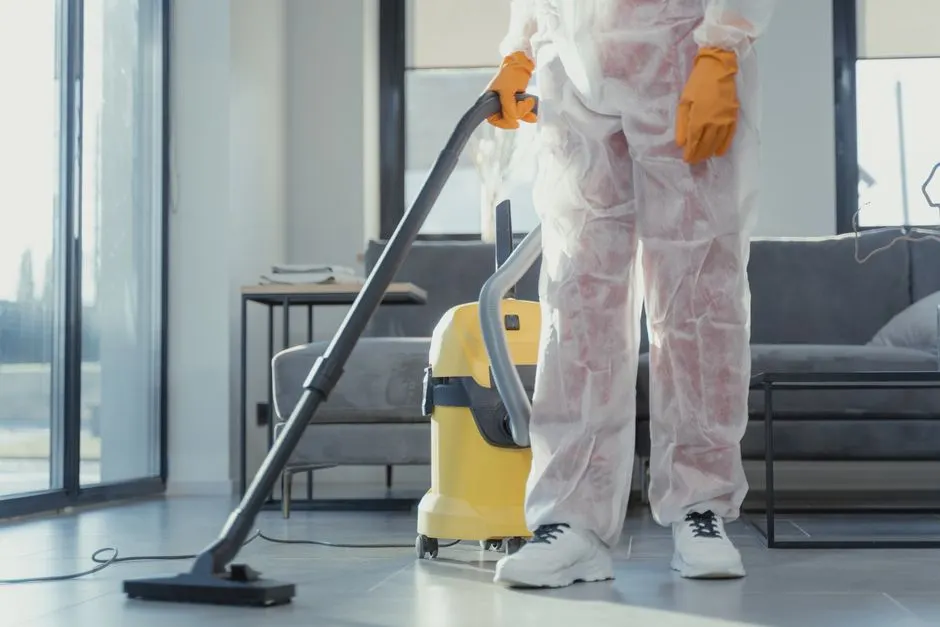
Real experiences from customers who chose our Residential Mold Removal services.
“We had black mold behind the drywall in our finished basement after a sump failure. The crew set up containment, removed the moldy drywall, and ran dehumidifiers for four days. Clearance test came back clean. They also fixed the grading outside so it would not happen again. Fair price and no surprises.”
Maria R.
Homeowner, Fishtown
“Musty smell in the attic for two years. They found condensation on the roof sheathing, removed the moldy sections, and added ventilation. The smell is gone and the attic stays dry now. They explained everything in plain language and showed me the moisture readings before and after.”
Darnell T.
Homeowner, Mount Airy
“A tenant reported mold in the bathroom ceiling. Mold Removal Philly inspected the same day, found a supply-line leak, and handled the remediation plus the repair. They documented everything for my insurance claim. Turnaround was fast and the unit passed clearance testing on the first try.”
Jen K.
Landlord, University City
Real answers to the questions we hear most often from local homeowners and property managers.
Every Residential Mold Removal in Philadelphia starts with inspection. We use moisture meters, thermal imaging, and lab air samples to confirm mold type and extent before quoting removal.
View Mold Inspection and TestingFull remediation goes beyond surface cleaning. For Philadelphia homes we remove contaminated drywall, treat framing, and dry the structure to IICRC standards so growth does not return.
View Mold RemediationBlack mold in Philadelphia rowhouses often hides behind baseboards and inside party walls. We contain the area, remove affected materials, and HEPA vacuum every surface before clearance testing.
View Black Mold RemovalWe handle commercial mold for Philadelphia property managers, from retail storefronts to office suites. Same containment and clearance standards as residential, scheduled around your business hours.
View Commercial Mold RemovalAttic condensation is common in Philadelphia's older homes. We remove moldy sheathing, improve ventilation, and treat framing so your attic stays dry through winter freeze-thaw cycles.
View Attic Mold RemovalFinished basements in Graduate Hospital and Point Breeze flood often. We extract water, remove moldy drywall, and dry framing below 16 percent moisture content before rebuilding.
View Basement Mold RemovalCall +1 2152813400 or email [email protected] and we will schedule an inspection, usually the same day if you reach us before noon. Water emergencies get 24/7 response. We serve every neighborhood in Philadelphia County, from Center City to Northeast Philadelphia.
Phone
+1 2152813400Address
Pearson Avenue, Unit A Philadelphia, PA 19114
Hours
Mon–Fri: 7AM – 7PM
Sat: 8AM – 4PM
Sun: Emergency Only
24/7 Emergency Available