
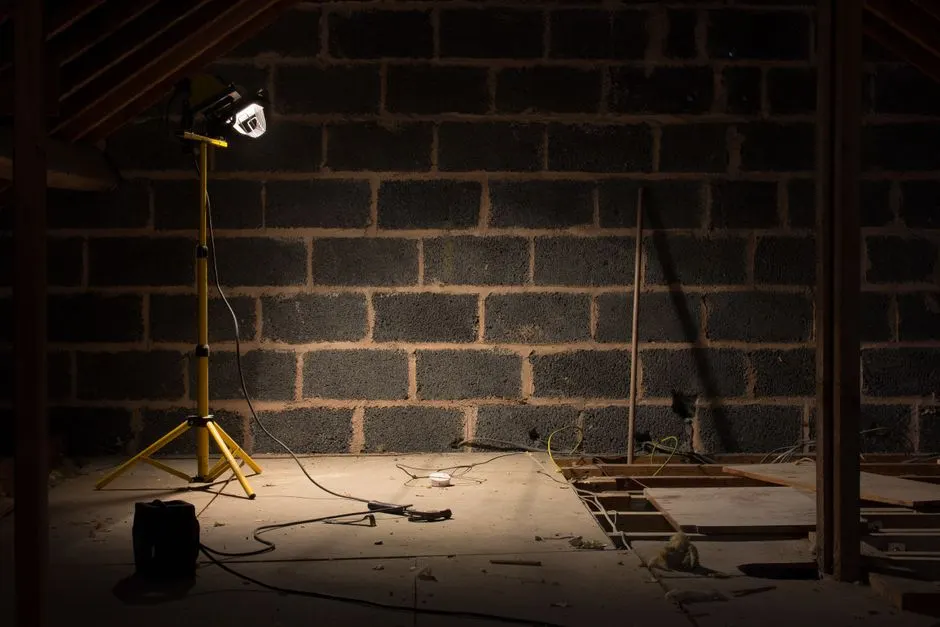
Full Attic Inspection
Moisture meter, thermal imaging camera, and boroscope readings on every rafter bay. You get photos and a written scope the same day, plus a firm price before any work begins.
Every job includes inspection, containment, removal, treatment, drying, and clearance testing. Insulation replacement and roof repair are quoted separately once we see the attic, and you approve the price before we start.
Moisture meter, thermal imaging camera, and boroscope readings on every rafter bay. You get photos and a written scope the same day, plus a firm price before any work begins.
Poly containment, negative air machine, and HEPA vacuum keep spores out of your living space. Technicians wear personal protective equipment and N95 respirators throughout the job.
We remove growth from sheathing and rafters by hand and HEPA vacuum, then apply an antimicrobial coating to the framing. Contaminated insulation gets bagged and hauled away the same day.
A Dri-Eaz dehumidifier and air scrubber run until moisture readings drop below 15 percent, usually 24 to 48 hours. We check readings twice a day and document them.
We reroute bathroom exhaust fans, seal roof leaks, install vapor barriers, and add soffit vents so the attic stays dry. Fixing the moisture is what makes the removal last.
Post-remediation verification with photos and moisture logs. You get a report your insurer, buyer, or home inspector can read and trust.
Attic Mold Removal in Philadelphia is the process of locating the moisture feeding attic growth, removing the mold from roof sheathing, rafters, and insulation, then treating the wood so it does not come back. We start with a moisture meter and thermal imaging camera to trace where water is getting in. Then we set up containment, run a HEPA vacuum and air scrubber, and apply an antimicrobial coating to the framing. Most attics take one to two days.
Philadelphia attics grow mold for predictable reasons. Old rowhomes in Fishtown and Kensington often have bathroom exhaust fans dumping warm, wet air straight into the attic instead of outside. Roof leaks after a nor'easter soak the sheathing. Poor soffit ventilation keeps humidity trapped at 70 percent or higher through summer. If you search for attic mold removal near me Philadelphia, you are probably seeing black staining, curled shingles, or a smell that gets worse when the heat kicks on.
Every Philadelphia attic gets the same disciplined sequence. No shortcuts, no spraying over active leaks, no leaving contaminated insulation behind.
Schedule
Call or book online — a real human picks up and confirms a 2-hour arrival window.
Diagnose
Licensed tech inspects on-site, then walks you through the cause and your options.
Fix
The job is completed to code and done right the first time — no shortcuts, no surprises.
Guarantee
Every job backed by a written workmanship warranty — and we stand behind it.
Thermal imaging camera
Finds temperature differences that reveal hidden roof leaks, wet insulation, and air leaks before we open anything up.
Moisture meter and boroscope
Reads exact moisture percentages in sheathing and looks inside wall and rafter cavities without cutting large holes.
HEPA vacuum and air scrubber
Captures mold spores at the source and filters the air during removal so nothing migrates into your living space.
Negative air machine
Keeps the attic under negative pressure so spores and dust stay inside the containment zone.
Dri-Eaz and Phoenix Restoration Equipment dehumidifiers
Pull moisture out of framing and insulation until readings drop below 15 percent, usually within 24 to 48 hours.
Fiberlock and Concrobium antimicrobial coatings
Treat the wood after removal so remaining spores cannot colonize the framing again.
Benefect and RMR-86 disinfectants
Neutralize mold and odors on contact, including the musty smell that lingers after removal.
IICRC WRT and AMRT standards
Our water damage and mold remediation work follows the IICRC S500 and S520 standards. That means documented moisture readings, proper containment, and clearance criteria before we call a job complete.
Containment-first removal
We seal the attic from the rest of the house before touching any mold. Negative air pressure and HEPA filtration run the whole time, so spores never reach your bedrooms or HVAC system.
Moisture-source correction
Removal without fixing the water source fails. We reroute exhaust fans, seal roof leaks, install vapor barriers, and correct ventilation as part of every attic job.
Post-remediation verification
We re-check moisture readings, photograph the treated framing, and run clearance testing. You get a written report that satisfies insurers, buyers, and home inspectors.
01
What we do: That smell usually means attic mold is feeding spores into the HVAC system. We inspect the attic and the air handler, contain the growth, and clean the ducts so the smell stops at the source.
→ The musty odor is gone within a day of treatment, and air quality testing confirms spore counts are back to normal.
02
What we do: We extract the water, remove saturated insulation, treat the sheathing with an antimicrobial coating, and dry the cavity with a Dri-Eaz dehumidifier until readings drop below 15 percent.
→ The attic is dry in 24 to 48 hours, mold never takes hold, and you have documented readings for your insurance claim.
03
What we do: We handle the removal, treatment, and clearance testing, then provide a report with photos and moisture logs the buyer's agent and lender can read.
→ The inspection objection is cleared, and the sale moves forward without a price renegotiation over the attic.
04
What we do: We trace the moisture with thermal imaging, find the bathroom fan dumping into the attic, reroute it outside, and treat the mold that already grew on the framing.
→ Humidity drops, the attic stays dry through summer, and your cooling system stops working overtime on damp air.
Philadelphia attics fail in specific ways. Most of the housing stock is rowhomes and twins built before 1950, with limited soffit ventilation and bathroom fans that dump humidity straight into the roof cavity. Summers here push attic humidity past 70 percent, and a single nor'easter can soak insulation in an afternoon. We plan every job around that reality. Our crews work in tight attic spaces off narrow stairwells in Fishtown and Kensington, and we know which blocks in 19154 and 19151 flood after heavy rain. If you need affordable attic mold removal Philadelphia PA homeowners can schedule without a two-week wait, we keep same-day inspection slots open across Philadelphia County. We also handle the source work that makes removal last: rerouting exhaust fans, sealing roof leaks, installing vapor barriers, and correcting soffit ventilation.
Fishtown
Dense rowhome blocks with original brick and limited attic access. Bathroom fans venting into the roof cavity are the most common cause we find here.
Mayfair
Post-war twins with shallow attics and aging roof flashing. Storm leaks soak insulation fast, and mold follows within days.
University City
Rental-heavy rowhomes where deferred maintenance lets small roof leaks run for months before anyone notices the attic.
Chestnut Hill
Older detached homes with complex roof lines and multiple attic zones. We inspect each cavity separately with thermal imaging.
South Philadelphia
Narrow rowhomes where the attic shares a wall with the neighbor. Containment matters here so spores do not cross into the next unit.
Humid Philadelphia summers with attic humidity above 70 percent
Condensation forms on roof sheathing nightly from June through September, feeding slow mold growth even without an active leak.
Nor'easters and heavy rain soaking roof decks
A single storm can push water through aging flashing and soak insulation in hours, starting mold within 48 to 72 hours.
Pre-1950 rowhome construction with minimal soffit vents
Without intake ventilation, moisture has nowhere to go. We add vents and vapor barriers to break the cycle.
Crawl space moisture rising through the stack
Ground humidity climbs into the attic and condenses on cold surfaces. Treating only the attic guarantees a callback, so we handle both zones.
Attic mold is a symptom. Here are the specific problems we find behind it in Philadelphia homes, and what happens if you leave them alone.
Problem
Every shower dumps warm, wet air onto cold sheathing. Within one heating season you get black mold across the roof deck and a musty smell in upstairs bedrooms.
Our Fix
We reroute the exhaust duct through the roof or gable to the outside, seal the old opening, and treat the framing that already grew mold. Most reroutes take two to three hours and stop the moisture at the source.
Problem
Wet insulation holds water against the wood for weeks. Mold starts within 48 to 72 hours, and saturated batts lose most of their R-value, so your heating bills climb.
Our Fix
We extract standing water, remove contaminated insulation, treat the sheathing, and dry the cavity with a dehumidifier. Then we repair the flashing or shingles so the next nor'easter does not repeat the problem.
Problem
Philadelphia summers push attic humidity past 70 percent. Without intake vents, condensation forms on the sheathing every night and feeds slow, steady mold growth all season.
Our Fix
We calculate the ventilation your attic needs, add soffit and ridge vents, and install a vapor barrier where the stack allows moisture up. That keeps humidity below the threshold mold needs.
Problem
Ground moisture climbs the stack and condenses in the coldest part of the house. You treat the attic, and six months later the mold is back because the source was never touched.
Our Fix
We install a crawl space vapor barrier and encapsulation liner, then treat the attic. Handling both zones in one project is the only way recurring attic mold stays gone in Philadelphia rowhomes.
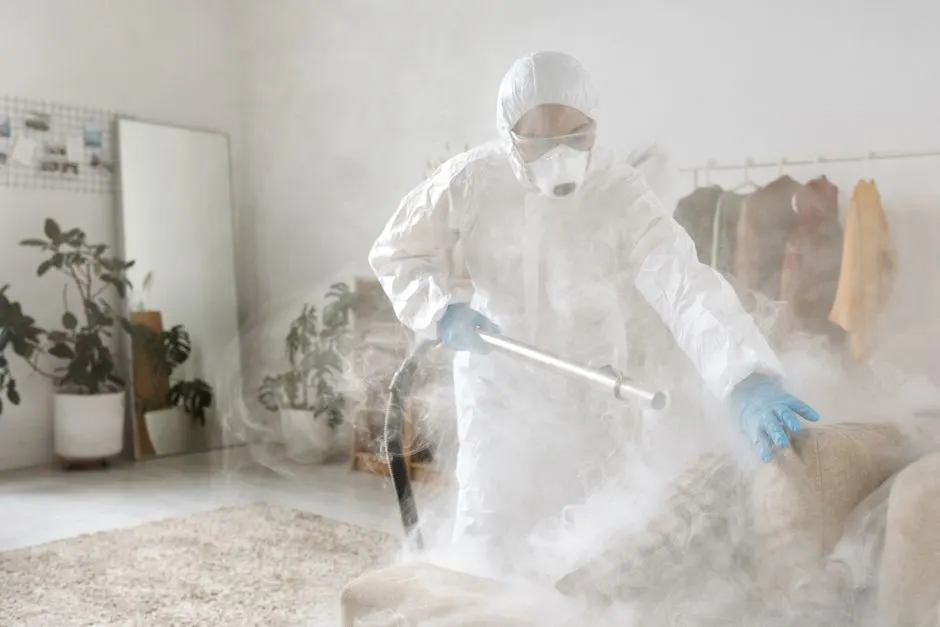
Attic mold does not stay in the attic. It spreads through framing, drops into living space, and drives up energy bills. Here is what you get when we handle it.
Stops the Spread
Mold on roof sheathing spreads along the wood grain and into rafters within weeks. We remove the growth, treat the framing with an antimicrobial coating, and verify with moisture readings below 15 percent before we close up. That stops it from moving into your ceilings and walls.
Fixes the Root Cause
Killing mold without fixing the moisture is a callback waiting to happen. We trace every source: bathroom fans venting into the attic, roof leaks, missing vapor barrier, crawl space moisture rising through the house. You get a written list of what we fixed and what to watch, not just a spray-and-pray.
Protects Insulation and Air Quality
Saturated insulation holds moisture against the wood and feeds regrowth. We test it, replace what is contaminated, and install mold resistant drywall where needed. A HEPA vacuum and air scrubber run the whole time so spores do not migrate into your bedrooms through the HVAC system.
Documented for Insurance and Resale
We photograph every stage, log moisture readings, and provide post-remediation verification and clearance testing. Philadelphia buyers and lenders want proof the attic was handled correctly. Our documentation follows the IICRC WRT and AMRT standards your adjuster and inspector already recognize.
Typical 2026 pricing for attic mold removal in Philadelphia runs $1,200 to $4,500, with small single-area treatments starting near $850. Insulation replacement, roof repair, and crawl space work are quoted separately once we see the attic. We give you a firm written price after the inspection, and you approve it before we start. No surprise line items, no pressure to add services you do not need.
Typical Investment Range
$850 - $6,000 depending on scope
You are paying for removal, treatment, drying, source correction, and documented clearance, not just a spray. That is what keeps the mold from returning and protects your resale and insurance paperwork.
What changes the price
Attic square footage
A 400-square-foot attic takes less containment, treatment, and drying time than a 1,200-square-foot one. Most Philadelphia attics fall between 500 and 900 square feet.
Extent of mold growth
Surface staining on a few rafter bays is a quick treatment. Growth across the whole roof deck means more removal time, more antimicrobial coating, and longer drying.
Insulation condition
Dry, clean insulation stays. Saturated batts or blown-in cellulose get bagged and replaced. Most jobs replace 30 to 60 percent, which adds $400 to $1,800.
Moisture source repair
Rerouting a bathroom fan runs a few hundred dollars. Roof flashing repair, vapor barrier installation, or crawl space encapsulation add more, but they are what keep the mold from coming back.
Access and attic layout
Narrow stairwells, low roof pitch, and shared walls in Philadelphia rowhomes slow the work. We plan containment and equipment around your specific attic.
Clearance testing
Post-remediation verification and clearance testing are included in every job. If your insurer or buyer wants third-party testing, we can coordinate that separately.
Google ★★★★★4.9
Called on a Tuesday morning about a musty smell in our Fishtown rowhome. They were in the attic by 2 p.m., showed me moisture readings on the sheathing, and had the mold treated and the fan rerouted by Wednesday afternoon. Fair price, no upsell.
Yelp ★★★★★5.0
After a roof leak soaked our Mayfair attic, they extracted the water, replaced the insulation, and dried everything in three days. The report they gave us made the insurance claim straightforward. Would call them again without hesitation.
BBB ★★★★★4.8
We manage several rental properties in University City, and Mold Removal Philly has handled attic mold in three of them. Clear pricing, documented clearance testing, and they work around tenant schedules. That is rare in this trade.
Google ★★★★★4.9
They found a bathroom fan dumping humidity into our attic that two other companies missed. Treated the framing, installed a vapor barrier, and the smell is gone six months later. Straight answers and no pressure the whole way through.
Mold Removal Philly has been in business since 2015, and attics have been a core part of that work from the start. Our technicians hold IICRC WRT and AMRT certifications, and we follow EPA and OSHA safety standards on every job. We have worked in rowhomes, twins, and detached houses across Philadelphia County, from 19154 in the Northeast to 19151 in Overbrook. That range matters: a 1920s Fishtown rowhome has different ventilation problems than a 1960s Mayfair rancher, and we price and plan accordingly.
Real experiences from customers who chose our Attic Mold Removal services.
“Our bathroom fan had been dumping humidity into the attic for years. Mold Removal Philly found it in 20 minutes, showed me the moisture meter readings, and had the whole attic treated in a day and a half. They rerouted the fan outside and replaced about half the insulation. Six months later the attic is still dry and the smell is gone.”
Danielle R.
Homeowner, Fishtown
“After a nor'easter, water came through the roof and soaked the attic insulation. I called three companies and Mold Removal Philly was the only one that answered on a Sunday. They extracted, dried, and handled the mold in three days. The report they gave me made the insurance claim painless.”
Marcus T.
Homeowner, Mayfair
“I manage four rowhomes near Penn, and two had black mold on the roof sheathing. The team documented everything, replaced the vapor barrier, and did clearance testing on both. My tenants barely noticed the work. I have used them on two more properties since, and the pricing has been fair every time.”
Priya S.
Landlord, University City
Real answers to the questions we hear most often from local homeowners and property managers.
Every attic job starts here. We use a moisture meter, thermal imaging camera, and boroscope to map the growth and find the water source before any removal begins in your Philadelphia home.
View Mold Inspection and TestingAttic work is one part of full-home remediation. When mold has moved from the attic into ceilings or walls, we contain the whole area and treat it in one sequenced job.
View Mold RemediationBlack mold on roof sheathing is common in Philadelphia attics after roof leaks. We remove it with HEPA vacuuming and antimicrobial coating, then verify with clearance testing.
View Black Mold RemovalRowhomes, twins, and detached houses across Philadelphia County. We size the containment and equipment to your attic, not a one-size-fits-all setup.
View Residential Mold RemovalAttic and roof-cavity mold in Philadelphia commercial buildings, including HVAC contamination. We work after hours so your tenants and staff are not disrupted.
View Commercial Mold RemovalAttic humidity often starts below. If your basement or crawl space is feeding moisture upward, we treat both zones so the attic stays dry after remediation.
View Basement Mold RemovalCall +1 2152813400 or email [email protected] and we will schedule an inspection, usually the same day if you reach us before noon. Water emergencies get 24/7 response. We serve every neighborhood in Philadelphia County, from Center City to Northeast Philadelphia.
Phone
+1 2152813400Address
Pearson Avenue, Unit A Philadelphia, PA 19114
Hours
Mon–Fri: 7AM – 7PM
Sat: 8AM – 4PM
Sun: Emergency Only
24/7 Emergency Available