
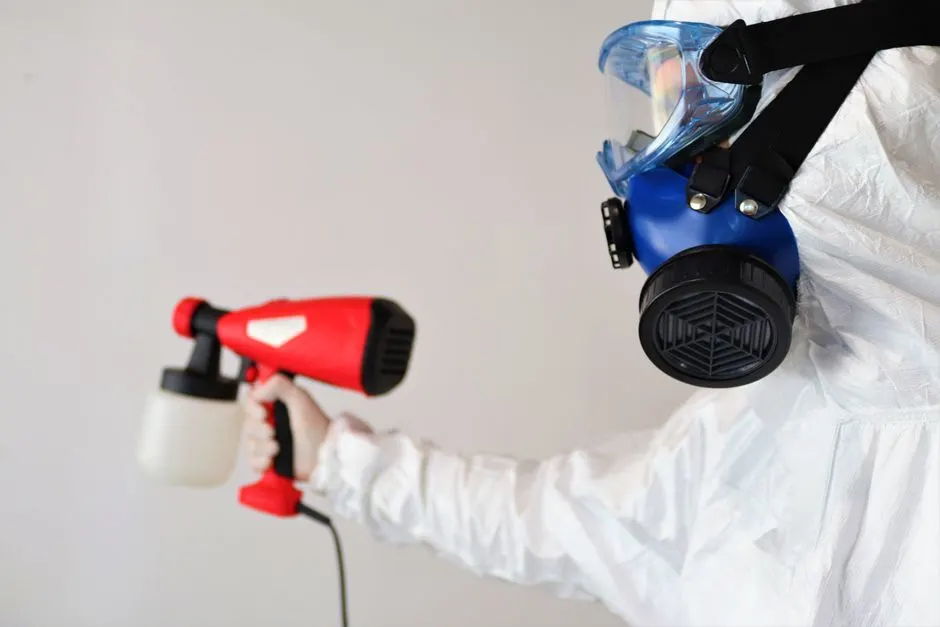
Moisture Inspection
We inspect the entire property with a thermal imaging camera and moisture meter to find every wet area feeding mold. This includes the attic, basement, crawl space, and behind finished walls.
Every black mold removal in Philadelphia job includes the core steps below. Additional work like reconstruction or crawl space encapsulation is priced separately and approved by you before we start.
We inspect the entire property with a thermal imaging camera and moisture meter to find every wet area feeding mold. This includes the attic, basement, crawl space, and behind finished walls.
We seal the work area with 6-mil poly and run a negative air machine with HEPA filtration. This keeps spores from spreading to the rest of your Philadelphia home during removal.
We remove contaminated drywall, insulation, and framing, bag it inside containment, and dispose of it properly. Every surface gets HEPA vacuumed and treated with Benefect or Concrobium.
We fix the leak, failed vapor barrier, or drainage issue that caused the mold. Without this step, black mold returns within months. We repair supply lines, sump pumps, gutters, and foundation cracks.
We set Dri-Eaz dehumidifiers and air scrubbers to dry the structure below 15 percent moisture content. This usually takes 2 to 4 days depending on how much water is trapped.
We take air and surface samples after remediation and compare them to pre-removal readings. You get a written clearance report for insurance, real estate, or your own records.
Black mold removal in Philadelphia is the process of locating toxic mold growth, containing the affected area, physically removing contaminated materials, and drying the structure so mold cannot return. It is not a spray-and-wipe job. Black mold, often stachybotrys chartarum, grows where drywall, wood framing, and insulation stay wet for more than 48 hours. We use thermal imaging cameras and moisture meters to find hidden colonies behind walls, under floors, and above ceilings before we cut anything open.
Philadelphia's older housing stock makes this a year-round problem. A slow supply-line leak in a Fishtown rowhouse, a failed sump pump in a Manayunk basement, or a roof leak in a Northeast Philadelphia twin can feed mold for months before you notice it. We handle Philadelphia black mold removal for homeowners, landlords, and property managers who need the problem fixed, not just masked. If you are searching for emergency black mold removal near me in Philadelphia, we answer the phone 24/7.
Every job follows the same five steps. You know what happens, when it happens, and what it costs before we start.
Schedule
Call or book online — a real human picks up and confirms a 2-hour arrival window.
Diagnose
Licensed tech inspects on-site, then walks you through the cause and your options.
Fix
The job is completed to code and done right the first time — no shortcuts, no surprises.
Guarantee
Every job backed by a written workmanship warranty — and we stand behind it.
Thermal Imaging Camera
Detects temperature differences behind walls and under floors to find hidden moisture and mold growth without cutting open every surface.
Moisture Meter
Measures exact moisture content in drywall, wood, and concrete so we know how far the contamination spreads and when the structure is dry.
Negative Air Machine
Creates negative pressure inside containment so spores cannot escape into the rest of your Philadelphia home during removal.
HEPA Vacuum
Captures mold spores and fine debris from surfaces, framing, and ductwork after contaminated materials are removed.
Dri-Eaz Dehumidifier
Removes moisture from the air and materials to dry the structure below 15 percent moisture content and prevent mold regrowth.
Boroscope
Inspects inside wall cavities, ductwork, and crawl spaces to confirm mold growth and locate the moisture source without unnecessary demolition.
Fogger
Applies antimicrobial treatment and deodorizer to large or hard-to-reach areas after mold removal is complete.
IICRC S520 Standard
The industry standard for mold remediation. It defines containment requirements, removal procedures, and clearance criteria we follow on every black mold removal in Philadelphia job.
Negative Pressure Containment
We seal the work area and run a negative air machine with HEPA filtration so air flows into containment, not out. This protects the rest of your home from cross-contamination.
Antimicrobial Coating
After removal, we apply an antimicrobial coating to framing and surfaces to inhibit mold regrowth. We use products like Fiberlock and Concrobium that are EPA-registered for mold remediation.
Post-Remediation Verification
We take air and surface samples after remediation and compare them to pre-removal readings. If spore counts are elevated, we re-clean at no charge until clearance passes.
01
What we do: We use thermal imaging to find the wet wall cavity, contain the kitchen, remove contaminated drywall and insulation, and repair the leaking pipe. We dry the structure and treat the framing with antimicrobial coating.
→ Clearance testing passes two days later. The homeowner avoids a full kitchen remodel and the mold does not return.
02
What we do: We pump out any remaining water, remove contaminated materials, HEPA vacuum the block walls, and treat with Benefect. We install a new sump pump with battery backup and a vapor barrier to prevent future moisture.
→ The basement passes clearance in four days and the landlord rents the unit again without disclosure issues.
03
What we do: We repair the roof leak, remove contaminated insulation and sheathing, treat the framing, and improve attic ventilation. We install mold resistant drywall where the ceiling was affected.
→ The attic stays dry through the next winter and the clearance report shows normal spore counts.
04
What we do: We clean and seal the air handler and ductwork, replace HEPA filters, and treat the system with antimicrobial coating. We repair the condensate drain and verify air quality after black mold removal in Philadelphia is complete.
→ The musty odor is gone and the condo owner has a clearance report for the building management.
Philadelphia's climate and building stock create specific mold challenges. Summers are humid, and basements in rowhouses and twins stay damp from foundation leaks and failed sump pumps. Winters bring attic condensation that soaks roof sheathing and grows black mold across the entire roof deck. We handle toxic black mold remediation in Philadelphia, Pennsylvania with equipment sized for tight rowhouse spaces and containment that protects neighboring units in twins and condos. We know the ZIP codes and the building types: 19154 in Northeast Philadelphia has different moisture problems than 19102 in Center City. If you need black mold removal in Philadelphia PA near me, we schedule same-day inspections and give you a flat written price before any work starts.
Fishtown
Renovated rowhouses often hide slow supply-line leaks behind new drywall. We use thermal imaging to find wet cavities without tearing out finished walls.
Manayunk
Hillside homes and older basements flood from foundation leaks and clogged gutters. We repair the water source and install vapor barriers to keep basements dry.
Northeast Philadelphia
Twins and singles with poor attic ventilation grow black mold on roof sheathing every winter. We improve ventilation and remove contaminated insulation.
Center City
High-rise condos have HVAC condensate leaks that feed mold inside air handlers and ductwork. We clean and seal the system and verify air quality.
Germantown
Older stone and brick homes have porous foundations that let water in. We seal cracks, install drainage, and treat basement walls after mold removal.
Humid summers above 60 percent relative humidity
Basements and crawl spaces stay damp for months, feeding black mold on joists and stored belongings. We run dehumidifiers and install vapor barriers to keep moisture below mold-growing levels.
Winter attic condensation on cold roof sheathing
Warm moist air from living spaces condenses on cold roof decks and grows black mold across the entire attic. We improve ventilation and remove contaminated sheathing.
Aging plumbing in pre-1950 rowhouses
Galvanized and early copper supply lines fail behind walls, dripping for months before discovery. We use thermal imaging to find hidden leaks and repair them before mold removal.
Combined sewer backups during heavy rain
Sewage backups in Philadelphia basements are Category 3 water losses that grow black mold within 48 hours. We extract, disinfect, and dry the space to prevent mold.
Black mold in Philadelphia homes usually traces back to one of these problems. We fix the mold and the cause.
Problem
Persistent musty odors mean active mold growth you cannot see. Spores circulate through your HVAC system and trigger allergies, asthma, and headaches for everyone in the home.
Our Fix
We locate the mold with thermal imaging and moisture meters, contain the area, remove contaminated materials, and run air scrubbers to eliminate the odor at the source. We also fix the moisture problem so it does not return.
Problem
Drywall paper feeds mold fast. Within 48 hours of a leak, black mold can root into the paper facing and spread behind baseboards and into adjacent rooms.
Our Fix
We cut out contaminated drywall inside containment, HEPA vacuum the framing, and treat with antimicrobial coating. We repair the leak and install mold resistant drywall so the next moisture event does not start a new colony.
Problem
Mold inside your air handler or ductwork recirculates spores to every room every time the system runs. Cleaning visible mold without addressing the ducts leaves the source active.
Our Fix
We clean and seal the air handler and ductwork, replace HEPA filters, and verify air quality after black mold removal in Philadelphia is complete. We also fix the condensation or leak that let mold grow in the system.
Problem
Poor attic ventilation traps warm moist air against cold roof sheathing in winter, growing black mold across the entire roof deck. Left alone, it rots the framing and voids roofing warranties.
Our Fix
We remove contaminated insulation and sheathing, treat the framing, and improve ventilation so the attic stays dry. We also repair any roof leak contributing to the problem.
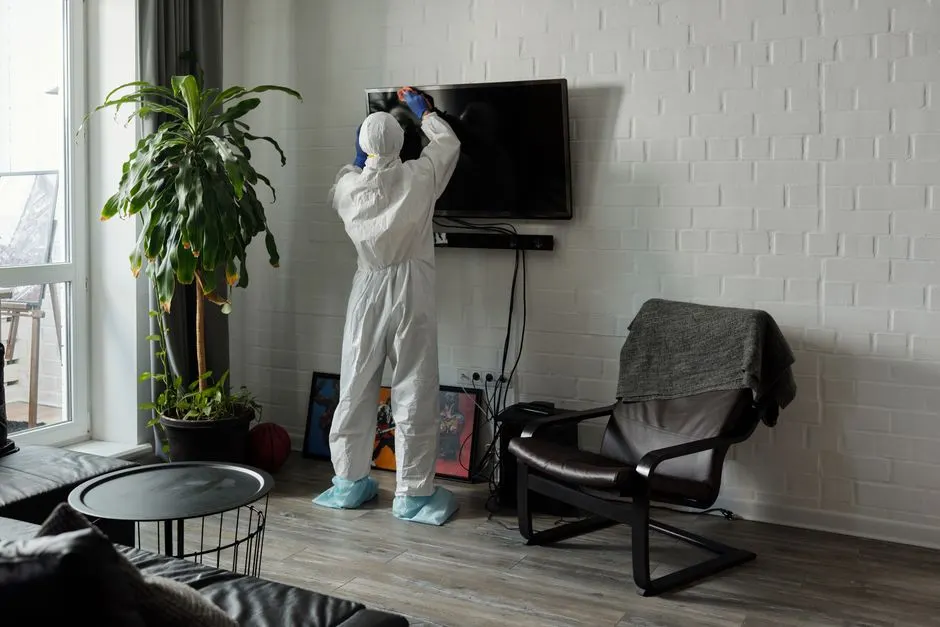
Mold spreads fast in a wet Philadelphia rowhouse. Here is what you get when you call us instead of a general handyman.
Same-Day Inspection
We inspect most Philadelphia properties the same day you call. Our technician arrives with a thermal imaging camera and moisture meter, maps the affected area, and gives you a written scope before any work starts. No waiting three days for a callback.
True Containment
We seal the work area with 6-mil poly and run a negative air machine with HEPA filtration so spores do not travel to your kitchen or bedrooms. This is the difference between real black mold cleanup services in Philadelphia, Pennsylvania and a guy with a spray bottle.
Documented Clearance
After removal we run post-remediation verification with air sampling and moisture readings. You get a clearance report you can hand to a buyer, a lender, or your insurance adjuster. That paperwork matters when you sell a Philadelphia home.
Source Repair Included
Killing mold without fixing the water source is a waste of money. We repair the leaking supply line, failed vapor barrier, or clogged gutter that caused the problem, then install an antimicrobial coating so the area stays clean.
Black mold removal in Philadelphia costs $1,200 to $4,500 for most residential jobs in 2026. Small attic or bathroom jobs start around $800, and large basement or crawl space jobs can reach $8,000. Price depends on square footage, how many rooms are affected, and whether source repair is included. We give you a flat written price before any work starts. If you need toxic mold remediation Philadelphia, call us for a same-day inspection and an honest number.
Typical Investment Range
$800 - $8,000 depending on scope
We fix the moisture source so you do not pay for the same mold removal twice. Our clearance guarantee means you do not pay for a job that did not work.
What changes the price
Square footage affected
The bigger the contaminated area, the more materials we remove and the longer containment stays up. A 20-square-foot bathroom patch costs far less than a 500-square-foot basement.
Mold species and severity
Stachybotrys and other toxic molds require stricter containment and more thorough removal than common surface molds. Air sampling confirms the species and shapes the scope.
Source repair complexity
Fixing a leaking supply line is quick. Repairing a foundation leak, failed sump pump, or roof leak adds labor and materials but prevents the mold from returning.
Access and containment
Tight rowhouse basements and finished attics take longer to contain and work in than open commercial spaces. We size containment to protect your home without wasting time.
Reconstruction needs
If we remove drywall, we need to rebuild it. We install mold resistant drywall in wet areas and match existing finishes so the repair blends in.
Clearance testing
Post-remediation air and surface sampling adds a small cost but gives you documented proof the job worked. It is required for most insurance claims and real estate transactions.
Google ★★★★★4.9
They found the mold behind our bathroom wall that two other companies missed. Same-day inspection, flat price, and they fixed the leak too. Clearance passed in two days. Highly recommend for black mold removal in Philadelphia.
Yelp ★★★★★4.8
Our basement was full of black mold after a sump failure. They handled everything, worked with our insurance, and had us back in the unit in four days. Professional and honest about pricing.
BBB ★★★★★5.0
Attic mold from a roof leak. They removed the contaminated insulation, treated the framing, and improved ventilation. The clearance report showed normal spore counts. Cleaned up better than they found it.
Mold Removal Philly has been removing black mold in Philadelphia since 2015. Our technicians hold IICRC WRT and IICRC AMRT certifications and follow the IICRC S520 standard for mold remediation. We carry a PA mold remediation license and OSHA-compliant safety training. We have worked in rowhouses, twins, high-rises, schools, and restaurants across Philadelphia County. That range matters because a Center City condo and a Kensington warehouse have completely different moisture problems.
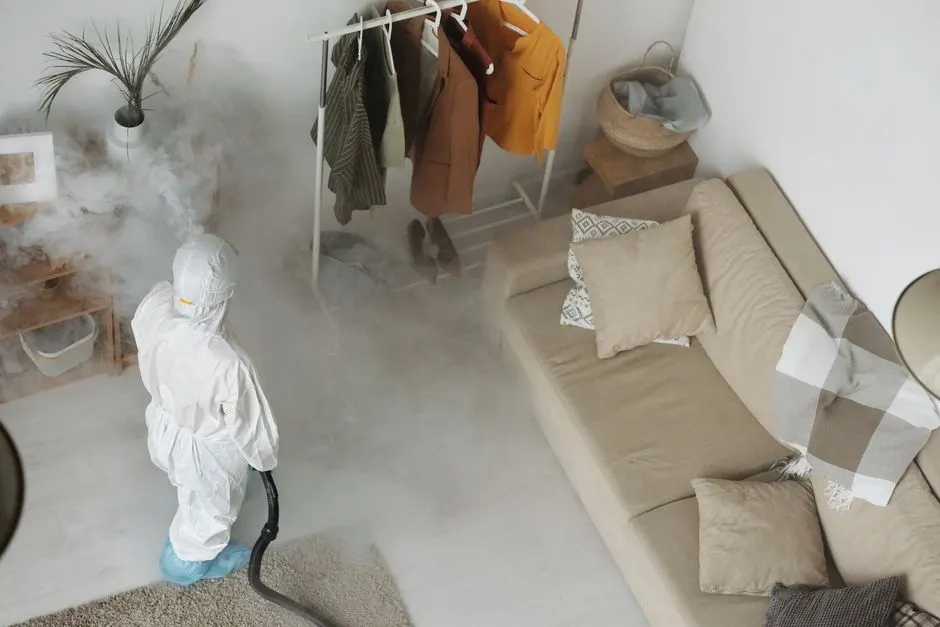
Real experiences from customers who chose our Black Mold Removal services.
“We found black mold behind the kitchen wall after a slow supply-line leak. Mold Removal Philly came out the same day, showed us the moisture readings, and gave us a flat price. They contained the kitchen, removed the drywall, and fixed the leak. Clearance testing passed two days later. No musty smell at all now.”
Maria G.
Homeowner, Fishtown
“I manage six rental units and one had a basement full of black mold after a sump pump failure. They handled the whole thing, documented everything with photos, and worked with my insurance adjuster. Tenants moved back in four days later. I use them for all my properties now.”
Darnell W.
Landlord, West Philadelphia
“Our attic had black mold on the roof sheathing from a leak we did not know about. They removed the contaminated insulation, treated the framing, and repaired the roof leak. The clearance report showed normal spore counts. They were professional and cleaned up better than they found it.”
Karen M.
Homeowner, Northeast Philadelphia
Real answers to the questions we hear most often from local homeowners and property managers.
Before any black mold removal in Philadelphia begins, we test air and surface samples to confirm the species and spore count. This tells us whether you have stachybotrys or a less dangerous mold and shapes the removal plan.
View Mold Inspection and TestingFull remediation goes beyond black mold removal in Philadelphia to treat every affected surface in the home. We contain, remove, HEPA vacuum, and apply antimicrobial coating so the entire structure is clean, not just the visible patch.
View Mold RemediationWe remove black mold from Philadelphia rowhouses, twins, and single-family homes. Every job includes containment, negative air, source repair, and clearance testing so your family is not breathing spores after we leave.
View Residential Mold RemovalRestaurants, schools, and offices in Philadelphia need black mold removal that does not shut down operations for a week. We work nights and weekends, document everything for health inspections, and deliver clearance reports your landlord or insurer requires.
View Commercial Mold RemovalAttic condensation in Philadelphia homes feeds black mold on roof sheathing and insulation. We remove contaminated materials, improve ventilation, and treat framing so the mold does not return next winter.
View Attic Mold RemovalPhiladelphia basements flood from sump failures and foundation leaks. We remove black mold from block walls, joists, and stored belongings, then seal the walls and repair the water source so the basement stays dry.
View Basement Mold RemovalCall +1 2152813400 or email [email protected] and we will schedule an inspection, usually the same day if you reach us before noon. Water emergencies get 24/7 response. We serve every neighborhood in Philadelphia County, from Center City to Northeast Philadelphia.
Phone
+1 2152813400Address
Pearson Avenue, Unit A Philadelphia, PA 19114
Hours
Mon–Fri: 7AM – 7PM
Sat: 8AM – 4PM
Sun: Emergency Only
24/7 Emergency Available