Logo
Get Estimate

Air Quality Testing Philadelphia PA You Can Trust

Lab-backed results, same-week scheduling, honest answers.


Air Quality Testing Philadelphia PA gives you hard numbers on what is floating through your home or building. We pull air and surface samples, run them through an accredited lab, and hand you a plain-English report. If you smell something musty in Fishtown or your Center City office keeps triggering allergies, this is where you start. We serve homeowners, landlords and property managers across Philadelphia County.

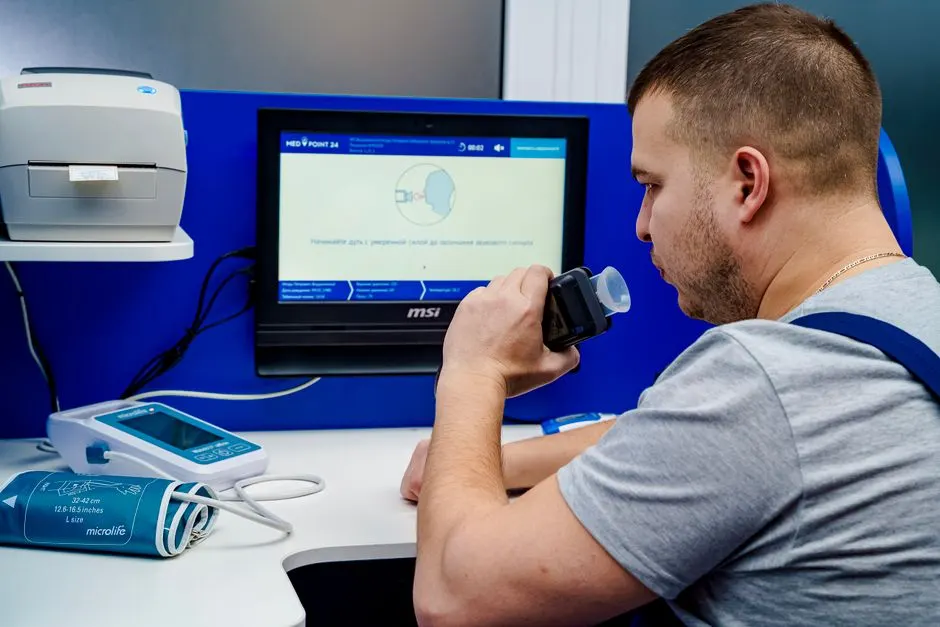
A man uses a breathalyzer device in a medical facility during the day.
Licensed Licensed & Bonded
Fully Insured Insured & Bonded
24/7 Emergency Same-Day Response
Warranty Backed 11+ Years Trusted in Philadelphia

What Our Air Quality Testing Includes

Every job includes the full inspection, sampling and lab analysis. Some add-ons, like rush turnaround or extra sample locations, cost more but we quote them upfront.

Full Visual Inspection

A technician walks the building with a thermal imaging camera, moisture meter and boroscope. We check basements, crawl spaces, attics, bathrooms and the HVAC system. This step takes 45 to 60 minutes and usually finds the moisture source.

Air Sampling

We run calibrated spore-trap cassettes in the rooms you are worried about, plus one outdoor control sample. Each indoor sample runs 5 to 10 minutes. A typical 1,500 square foot home gets three indoor samples and one outdoor baseline.

Surface Sampling

If we see visible growth, we take tape-lift or swab samples to identify the species. This confirms whether you are dealing with Stachybotrys, Aspergillus, Cladosporium or another genus. Surface samples add $40 to $75 each.

Accredited Lab Analysis

Samples ship the same day to an accredited lab. The lab cultures and counts spores per cubic meter, identifies genus, and flags species of concern. Standard turnaround is 2 to 3 business days. Rush service is available for closings.

Written Report and Call

You get a report with raw numbers, photos and a comparison chart against the outdoor baseline. We walk you through it on a 15-minute call. If remediation is needed, we explain the scope. If your air is clean, we tell you that too.

Post-Remediation Retest

After any remediation work, we re-sample the same rooms and compare against the outdoor baseline. Clearance testing confirms the job worked before you close the containment. This is the final step on every remediation project we touch.

What Air Quality Testing Philadelphia PA Actually Does


Air Quality Testing Philadelphia PA is a diagnostic service that measures airborne mold spores, allergens, volatile organic compounds and moisture levels inside a building. We set up calibrated pumps, run spore-trap cassettes for 5 to 10 minutes per room, and compare indoor counts against an outdoor baseline sample. A moisture meter and thermal imaging camera check walls, ceilings and subfloors for hidden water. Results come back from an accredited lab in 2 to 3 business days with spore counts per cubic meter.

Philadelphia buildings give us plenty to test. Row homes in Kensington and Port Richmond sit on old stone foundations that wick water all winter. South Philadelphia rowhouses get sewage backups after heavy summer storms. Chestnut Hill and Mount Airy homes with finished attics trap condensation behind knee walls. If you have been searching for air quality testing in Philadelphia PA near me and keep getting vague answers, we give you actual numbers. We also handle indoor air quality testing services Philadelphia, Pennsylvania for landlords who need documentation before a tenant moves in.

How Our Air Quality Testing Process Works

Five steps from your first call to a written report in your inbox. Most jobs finish in under three hours on site.

01

Schedule

Call or book online — a real human picks up and confirms a 2-hour arrival window.

02

Diagnose

Licensed tech inspects on-site, then walks you through the cause and your options.

03

Fix

The job is completed to code and done right the first time — no shortcuts, no surprises.

04

Guarantee

Every job backed by a written workmanship warranty — and we stand behind it.

Tools and Methods We Use

Tools & Equipment

Thermal Imaging Camera

Detects temperature differences behind walls and ceilings that reveal hidden moisture. We use it on every inspection to find leaks before they show up as stains.

Moisture Meter

Measures the water content of drywall, wood and masonry. Readings above 16 percent on wood or 1 percent on drywall indicate a problem that needs drying or removal.

Boroscope

A camera on a flexible rod that lets us see inside wall cavities, ductwork and crawl spaces without cutting open the building. Essential for confirming hidden mold growth.

Calibrated Air Sampling Pump

Draws a known volume of air through a spore-trap cassette. We run each sample for 5 to 10 minutes to get a reliable spores-per-cubic-meter count.

Dri-Eaz and Phoenix Restoration Equipment Dehumidifiers

Industrial drying equipment that pulls moisture out of the air and structure after a water event. We use them on every water damage and flood cleanup job.

HEPA Vacuum and Air Scrubber

Captures airborne spores and dust during remediation. A HEPA vacuum traps particles down to 0.3 microns, and an air scrubber cycles the room air every few minutes.

Fiberlock and Concrobium Products

Antimicrobial coatings and encapsulants we apply after remediation to seal surfaces and prevent regrowth. Benefect and ShockWave are our go-to botanical disinfectants for odor and bacteria.

Methods & Standards

IICRC AMRT Protocol

The IICRC AMRT standard governs how we assess and remediate mold. It covers moisture mapping, containment, removal and clearance testing. Following it keeps the job defensible for insurers and attorneys.

Outdoor Baseline Comparison

Every indoor air sample is compared against an outdoor control taken the same day. This accounts for seasonal pollen and local spore levels, so we are measuring what is actually inside your building, not what is blowing down the street.

Moisture Mapping

We map the moisture content of walls, floors and ceilings with a meter and thermal camera. The map shows where water traveled, which tells us where to sample and where remediation needs to focus.

Containment and Negative Air

During remediation we seal the work area with plastic and run a negative air machine. This keeps spores from spreading to clean rooms while we remove affected material. The machine exhausts through a HEPA filter.

Post-Remediation Clearance Testing

After remediation, we re-sample the same rooms and compare against the outdoor baseline. Clearance requires indoor counts at or below outdoor levels. If they are not, the remediator goes back in before we sign off.

When to Schedule Air Quality Testing

01

You just bought an older rowhouse in Kensington or Port Richmond and want a baseline before moving in.

What we do: We run a full inspection with a thermal imaging camera and moisture meter, then sample the air in the basement, main floor and attic. Old stone foundations and original plaster walls hold moisture differently than modern construction, so we check the spots that matter.

→ You get a written report with spore counts and a list of any moisture issues to fix before you unpack. If the air is clean, you have documentation for your records.

02

Your basement flooded after a heavy summer storm in South Philadelphia or Eastwick.

What we do: We extract any standing water, set up Dri-Eaz and Phoenix Restoration Equipment dehumidifiers and air scrubbers, and dry the structure. Once dry, we test the air to confirm no mold took hold during the drying process.

→ You get a dry basement and a lab report showing normal spore counts. If mold did start, we catch it early and remediate before it spreads.

03

A tenant in your University City rental unit reports a musty smell and visible growth on the bathroom ceiling.

What we do: We test the air in the bathroom and the adjacent bedroom, take a surface sample of the visible growth, and check for a leak behind the wall. The report documents conditions as they were on the day of testing.

→ You have lab-backed documentation for the tenant and, if needed, your attorney. If remediation is required, we handle it and provide a clearance report afterward.

04

You are selling a home in Chestnut Hill and the buyer's inspector flagged a possible mold issue in the attic.

What we do: We inspect the attic with a boroscope and moisture meter, then run air sampling in the attic and the rooms below. If the growth is surface-level from attic condensation, we document it. If it is deeper, we scope remediation.

→ You get a report you can hand to the buyer's agent. If the attic is clean, the deal moves forward. If not, you have a clear scope and price to negotiate.

05

Your office in Center City had a roof leak over the weekend and employees are complaining about odors.

What we do: We test each HVAC zone separately, check the ceiling tiles and ductwork for moisture, and sample the air on the affected floor. Commercial jobs often need multiple samples to cover different zones.

→ You get a report that satisfies your insurer and your employees. If remediation is needed, we work after hours to avoid disrupting business.

How Air Quality Testing Works in Philadelphia

Philadelphia's building stock is old, and that shapes every job we run. Rowhouses in Kensington and Port Richmond sit on stone foundations that wick groundwater all winter. Flat roofs in South Philadelphia pond water after every heavy rain. Finished basements in Brewerytown and Fishtown flood when the Schuylkill crests. Add humid summers that push indoor humidity past 60 percent and freeze-thaw winters that crack masonry, and you have ideal conditions for mold. We test for all of it. Our technicians know that a Center City high-rise has different HVAC contamination risks than a Germantown twin with a damp crawl space. If you need emergency air quality testing Philadelphia after a sewage backup or a burst pipe, we prioritize those calls and can often be on site within 24 hours. We also work with ACAC-credentialed consultants on commercial jobs and follow EPA Lead-Safe practices on pre-1978 housing, which covers most of the city. Whether you are in ZIP 19102 downtown or 19154 in the Far Northeast, we bring the same equipment and the same standard.

Neighborhoods We Serve

  • Fishtown

    Converted industrial buildings and new construction sit side by side. Older structures often have damp basements and original brick that holds moisture after rain.

  • Chestnut Hill

    Large historic homes with finished attics and slate roofs. Attic condensation behind knee walls is a common source of elevated spore counts.

  • South Philadelphia

    Dense rowhouse blocks with flat roofs and shared walls. Sewage backups and roof leaks are the two most common water events we see.

  • University City

    A mix of student rentals and owner-occupied homes. Landlords frequently need documentation for tenant disputes and move-in inspections.

  • Northeast Philadelphia

    Post-war twins and singles with finished basements. Sump pump failures during summer storms are a recurring problem.

Local Conditions We Plan For

  • Humid summers push indoor humidity above 60 percent

    Mold grows fastest between 60 and 80 percent relative humidity. We recommend dehumidifiers in basements and crawl spaces from June through September to keep levels under 50 percent.

  • Freeze-thaw cycles crack old masonry

    Water enters through cracked brick and stone, then freezes and expands. By spring, wall cavities are wet and mold has a foothold. We check these spots on every inspection.

  • Aging plumbing in pre-1950 rowhouses

    Galvanized and early copper supply lines fail behind walls. A slow leak can feed mold for months before it shows. Thermal imaging and moisture meters find it.

  • Combined sewer backups after heavy rain

    South Philadelphia and Eastwick see sewage backups when the system overloads. Sewage carries bacteria and moisture that feed mold fast. We test and remediate within days, not weeks.

Fishtown Basement Musty Odor

Before

A homeowner called about a musty smell in a finished basement that had been there for two summers. Air sampling showed 1,800 spores per cubic meter indoors versus 200 outside. A moisture meter found a foundation leak behind the drywall.

After

We repaired the leak, removed 12 square feet of affected drywall, treated the framing with an antimicrobial coating, and dried the space with a Dri-Eaz dehumidifier. A retest 10 days later showed 180 spores per cubic meter indoors, below the outdoor baseline.

Maintenance: The homeowner runs a dehumidifier from May through September and checks the foundation wall after heavy rain. Annual moisture checks catch new leaks before they feed mold.

Before

A landlord faced a tenant complaint about mold in a bathroom. Without documentation, the dispute was heading to a rent withholding. Visible growth on the ceiling suggested a ventilation problem, but no one had tested the air.

After

We sampled the bathroom and adjacent bedroom, took a surface sample, and confirmed Cladosporium growth from poor ventilation. Remediation took one day. A clearance test passed, and the landlord had a written report to resolve the dispute.

Maintenance: We installed a properly sized exhaust fan and set the tenant up with a monthly bathroom cleaning routine. The landlord now tests every unit at move-in and move-out.

Before

A seller's inspector flagged possible mold in a finished attic. The buyer wanted a $4,000 credit. Air testing showed 950 spores per cubic meter in the attic versus 300 outside. A boroscope found condensation behind the knee wall, not a roof leak.

After

We removed the affected insulation, treated the framing, installed baffles and a vapor barrier, and retested. Counts dropped to 250 per cubic meter. The seller spent $1,200 instead of the $4,000 credit and the deal closed on time.

Maintenance: The new owner keeps the attic vents clear and checks the knee wall each spring. A vapor barrier plus proper ventilation keeps condensation from returning.

Air Quality Problems We Solve in Philadelphia

Most calls start with a smell, a symptom, or a water event. Here are the problems we hear about most.

Problem

Musty odor that never goes away

A persistent musty smell usually means hidden mold growth in a wall cavity, crawl space or HVAC system. Ignoring it lets the colony spread and contaminate more of the building.

Our Fix

We run air sampling in the affected rooms and check the HVAC system for contamination. If spore counts are elevated, we trace the moisture source with a thermal imaging camera and moisture meter. You get a report showing exactly where the problem is and how bad it is.

Problem

Allergies that flare up indoors

If your allergies hit every time you walk into the bedroom or basement, mold spores or dust mites are likely the trigger. Continued exposure makes asthma and sinus problems worse over time.

Our Fix

Air testing identifies the specific allergens and spore genera in your space. We compare indoor counts against the outdoor baseline. If mold is the culprit, we find the moisture source and lay out a remediation plan. If it is dust or dander, we tell you that too.

Problem

Water damage from a leak or flood

Any water event that is not dried within 24 to 48 hours can grow mold. Philadelphia's humid summers speed that timeline up. By the time you see a stain, the colony may already be weeks old.

Our Fix

We test the air in the affected area and the rooms next to it. A moisture meter and thermal camera check whether the structure is fully dry. If mold is present, we handle remediation and retest afterward to confirm clearance.

Problem

Documentation needed for a real estate closing

Buyers, sellers and lenders all want proof that a property is mold-free. Without a lab report, a deal can stall or a buyer can walk away over an unverified concern.

Our Fix

We provide a written report with raw spore counts, genus identification and a comparison against the outdoor baseline. Rush turnaround is available for tight closing dates. The report is formatted for realtors, lenders and attorneys.

Problem

Tenant complaint about mold

Landlords in Philadelphia County face legal exposure when a tenant reports mold. Without baseline data, it is your word against theirs, and the dispute can escalate to a rent withholding or a lawsuit.

Our Fix

We test the unit, document conditions with photos and lab data, and provide a written report. If mold is present, we remediate and retest. If the unit is clean, you have documentation to show the tenant and, if needed, the court.

Why Philadelphia Property Owners Test Their Air

Why Philadelphia Property Owners Test Their Air

Testing turns a hunch into a documented fact. Here is what that gets you.

  • Find Hidden Mold Early

    Mold behind drywall or under a bathroom vanity can grow for months before you see it. Air sampling catches elevated spore counts while the colony is still small. Catching it at 200 spores per cubic meter instead of 2,000 saves thousands in remediation and keeps your family out of a gutted kitchen.

  • Document Conditions for Tenants

    Landlords across University City and West Philadelphia use our reports as move-in and move-out records. If a tenant claims a mold problem, you have baseline data from day one. That single document settles most disputes before they reach a lawyer.

  • Pinpoint the Moisture Source

    Elevated spores tell you there is a problem. A moisture meter and thermal imaging camera tell you where. We trace water to a failed vapor barrier, a leaking supply line, or attic condensation, so you fix the cause instead of wiping the same wall every spring.

  • Breathe Easier After Remediation

    Post-remediation clearance testing confirms the job actually worked. We re-sample the same rooms and compare against the outdoor baseline. If counts are not back to normal levels, the remediator goes back in on their dime, not yours.

Air Quality Testing Costs in Philadelphia

Typical 2026 pricing for air quality testing in this area runs $350 to $550 for a standard three-room residential job with an outdoor control sample. Commercial buildings with multiple HVAC zones run $700 to $1,500. Rush lab turnaround adds $75 to $150. We quote the full price on the phone before scheduling, so you know the number before we arrive. If you have been looking for affordable air quality testing Philadelphia PA, this is what the market actually charges.

Typical Investment Range

$350 - $1,500 depending on scope

You are paying for lab data, not a sales pitch. The report tells you whether you have a problem, how bad it is, and where it is coming from. That information saves you from either ignoring a real issue or paying for remediation you do not need.

What changes the price

01

Number of Sample Locations

Each indoor air sample adds $50 to $75. A small condo may need two samples; a three-story rowhouse with a basement and attic may need five. More samples give a clearer picture but raise the total.

02

Commercial vs Residential

Commercial jobs need separate samples per HVAC zone and often after-hours scheduling. That pushes the price to $700 to $1,500 for a typical office or restaurant. Residential jobs stay in the $350 to $550 range.

03

Surface Sampling

If we see visible growth, tape-lift or swab samples identify the species. Each surface sample adds $40 to $75. Most jobs need one or two.

04

Rush Lab Turnaround

Standard lab results take 2 to 3 business days. Rush service gets you results in 24 hours for an extra $75 to $150. Realtors and attorneys often need this for closings.

05

Emergency Scheduling

After a flood or sewage backup, you may need testing within 24 hours. Emergency scheduling carries a premium of $100 to $200 depending on the time of day and travel distance.

06

Post-Remediation Retest

Clearance testing after remediation is a separate visit. It runs $250 to $400 for a standard residential job because we re-sample the same rooms and compare against a new outdoor baseline.

Licensed, Certified and Reviewed

Licensed & Certified

  • IICRC AMRT (Applied Microbial Remediation Technician) — issued by Institute of Inspection, Cleaning and Restoration Certification
  • IICRC WRT (Water Restoration Technician) — issued by Institute of Inspection, Cleaning and Restoration Certification
  • EPA Lead-Safe Certified Firm — issued by U.S. Environmental Protection Agency
  • PA Mold Remediation License — issued by Commonwealth of Pennsylvania
  • OSHA 10-Hour Construction Safety — issued by Occupational Safety and Health Administration

Verified Reviews

Google ★★★★★4.9

Called on a Tuesday, they were at my Port Richmond rowhouse on Thursday. Found a leak behind the bathroom wall I had no idea about. Air test confirmed mold spores were high. Fixed the leak, remediated, retested. Clean numbers. Fair price and no drama.

Yelp ★★★★★4.8

I manage six rental units in West Philadelphia and needed air quality reports for two of them. They tested both in one afternoon and had lab results back in two days. The reports were detailed enough for my attorney. I now use them for every turnover.

BBB A+

After a sewage backup in our South Philadelphia basement we were worried about mold. They extracted the water, dried the space, and tested the air. Counts came back normal. They could have sold us a remediation we did not need and did not. Honest outfit.

Google ★★★★★5.0

We had a musty smell in our Chestnut Hill attic for years. They found condensation behind the knee wall with a thermal camera, tested the air, and laid out a fix. The work was done in two days and the retest passed. Wish we had called them sooner.

What Philadelphia Clients Say

Real experiences from customers who chose our Air Quality Testing services.

“We kept getting musty smells in the basement every summer. Mold Removal Philly tested the air and found spore counts four times higher than outside. They traced it to a foundation leak we did not know about. Fixed the leak, dried the space, and retested. Numbers came back normal. Straightforward and no scare tactics.”

M

Maria T.

Homeowner, Fishtown

“I manage 12 rental units and needed air quality documentation for a tenant dispute. They tested three units in one afternoon and had the lab report back in two days. The report was clean enough to hand to my lawyer. I now use them for every move-in and move-out inspection.”

D

Darnell R.

Property Manager, University City

“After a roof leak we were worried about mold in the attic. They brought a thermal camera and found moisture behind the knee wall that we never would have caught. Air testing confirmed elevated spores. The remediation was quick and the clearance test passed. Worth every dollar for the peace of mind.”

K

Karen M.

Homeowner, Chestnut Hill

Frequently Asked Questions About Air Quality Testing

Real answers to the questions we hear most often from local homeowners and property managers.

How much does air quality testing cost in Philadelphia PA?
Most residential jobs run $350 to $550 for a three-room test with an outdoor control sample. Commercial buildings with multiple HVAC zones run $700 to $1,500 depending on square footage and sample count. Rush lab turnaround adds $75 to $150. We quote the full price on the phone before scheduling, and there is no charge for the walkthrough call after your report arrives.
What does air quality testing include in Philadelphia?
A standard test includes a visual inspection with a thermal imaging camera and moisture meter, air sampling in the rooms you are worried about, one outdoor baseline sample, and lab analysis for mold spores. We also check the HVAC system for contamination and look for musty odors that point to hidden growth. You get a written report with raw numbers and a comparison chart.
Can air quality testing detect mold in Philadelphia?
Yes. Air sampling counts mold spores per cubic meter and identifies the genus, including Stachybotrys, the black mold species. If indoor counts run higher than the outdoor baseline, you have a mold problem even if you cannot see it. Surface swabs and tape lifts confirm visible growth. We can detect mold behind drywall, under flooring, and inside HVAC ductwork.
How often should I test air quality in my Philadelphia home?
Test every two years for a baseline, and immediately after any water event: a burst pipe, a roof leak, a sewage backup, or a basement flood. Philadelphia's humid summers and freeze-thaw winters push moisture into old foundations, so spring and fall are the busiest months for us. If anyone in the home has asthma or mold allergies, annual testing is worth the cost.

Related Services We Offer

Mold Inspection and Testing

Air sampling is the lab side of a full mold inspection. We pair the two on every job, using a boroscope and moisture meter to find hidden growth, then confirming it with spore counts. Philadelphia homeowners get one report covering both the visual findings and the lab data.

View Mold Inspection and Testing

Mold Remediation

When testing confirms elevated spores, remediation removes the colony and the moisture source. We set up negative air machines and HEPA vacuums, then apply an antimicrobial coating. Post-remediation clearance testing proves the job worked before we close the containment.

View Mold Remediation

Black Mold Removal

Stachybotrys, the species behind most black mold calls, shows up in Philadelphia basements and crawl spaces after long-term leaks. Air testing confirms it before we open a wall. Removal follows IICRC AMRT protocols with full personal protective equipment and containment barriers.

View Black Mold Removal

Residential Mold Removal

Rowhouses, twins and single-family homes across Philadelphia County all get the same treatment: find the water, kill the mold, dry the structure. Air testing before and after tells you exactly how much the spore count dropped. Most residential jobs finish in one to three days.

View Residential Mold Removal

Commercial Mold Removal

Offices, restaurants and retail spaces in Center City and University City need documentation for employees and insurers. We test HVAC zones separately, remediate after hours, and provide clearance reports that satisfy both landlords and commercial tenants.

View Commercial Mold Removal

Attic Mold Removal

Attic condensation behind knee walls is a common Philadelphia problem in Chestnut Hill and Mount Airy. Air testing catches elevated spores before they spread into living space. Removal includes new insulation, baffles and a vapor barrier to stop the cycle.

View Attic Mold Removal

Schedule Air Quality Testing Philadelphia PA Today

Call now and we can usually be on site within the same week. You get lab-backed numbers, a written report, and a straight answer about whether your air is safe. No pressure, no upsell.

Call Now Book Your Test

Contact Mold Removal Philly

Call +1 2152813400 or email [email protected] and we will schedule an inspection, usually the same day if you reach us before noon. Water emergencies get 24/7 response. We serve every neighborhood in Philadelphia County, from Center City to Northeast Philadelphia.

Or call us right now at +1 2152813400 — we answer.

Mold Removal Philly


  • Address

    Pearson Avenue, Unit A Philadelphia, PA 19114

  • Hours

    Mon–Fri: 7AM – 7PM
    Sat: 8AM – 4PM
    Sun: Emergency Only
    24/7 Emergency Available

Call +1 2152813400 Get Quote
Call Quote