Logo
Get Estimate

Water damage restoration Philadelphia PA that stops the damage fast

Emergency extraction, structural drying and full rebuilds across Philadelphia County


When a pipe bursts or a basement floods, water damage restoration Philadelphia PA has to start within hours, not days. We are Mold Removal Philly, and since 2015 we have dried out rowhouses, twins and commercial spaces across Philadelphia County. One call gets an IICRC WRT crew to your door with truck-mounted extraction, thermal imaging cameras and industrial dehumidifiers. We extract, dry, sanitize and rebuild, then hand you documentation your insurance adjuster can actually use.

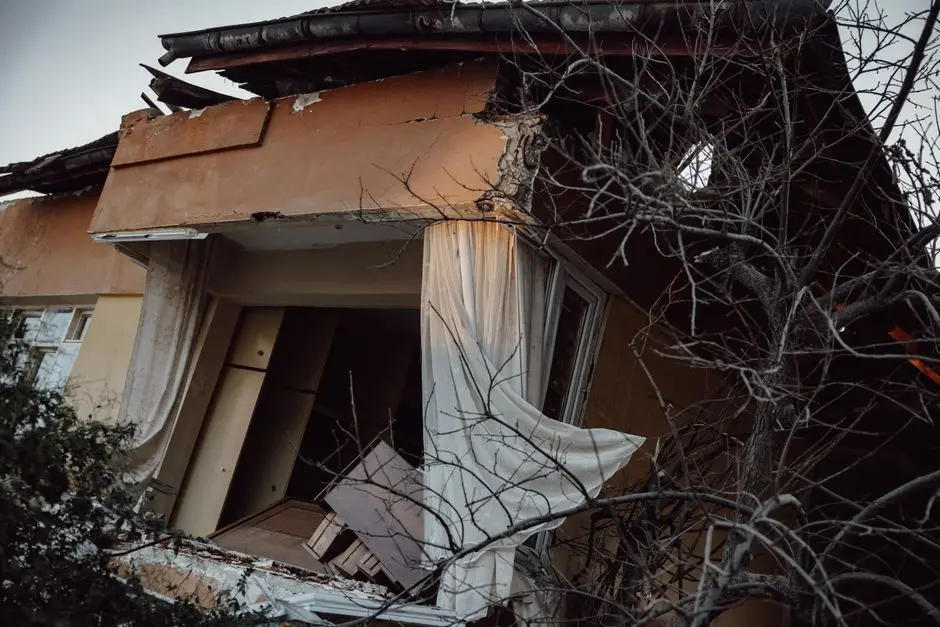
Exterior of a damaged house showing destruction from a natural disaster.
Licensed Licensed & Bonded
Fully Insured Insured & Bonded
24/7 Emergency Same-Day Response
Warranty Backed 11+ Years Trusted in Philadelphia

What our water damage restoration includes

Every project starts with an inspection and a written scope, so you know what is covered before work begins. Standard restoration covers extraction, drying, monitoring, sanitizing and the rebuild of affected surfaces. Add-ons like crawl space encapsulation or sump pump installation are quoted separately when your situation calls for them.

Emergency water extraction

Truck-mounted and portable extractors pull standing water from carpet, hardwood, tile and concrete. We handle category 1, 2 and 3 water, with full containment and PPE for sewage backup jobs. Most basements are dry on the surface within 2 to 4 hours.

Structural drying and monitoring

We place dehumidifiers, air movers and air scrubbers, then return daily to log moisture readings with a moisture meter. Drying runs 3 to 5 days on most jobs. Equipment stays until readings confirm the structure is dry, not just dry to the touch.

Antimicrobial treatment

Affected framing, subfloor and wall cavities get treated with antimicrobial coating after extraction. This is the step that prevents mold from colonizing wet wood during the drying period, and it is included on every restoration job we run.

Debris removal and disposal

Ruined carpet, pad, drywall, insulation and trim get bagged and hauled away. Contaminated materials from sewage or flood water go through proper disposal channels. You are not left with a pile of wet debris in your yard or alley.

Rebuild and repairs

We replace mold resistant drywall, rehang trim, patch and paint, and reinstall flooring as needed. Rebuild is scoped with your insurance documentation so the repair matches what the carrier approved. One crew handles it start to finish.

Final verification and walkthrough

Before we close out, we verify moisture readings and, where needed, run clearance testing. You get a walkthrough of the finished space plus documentation of the work. If something is not right, we come back. That is what the workmanship warranty covers.

What water damage restoration Philadelphia PA really involves


Water damage restoration Philadelphia PA is the process of extracting standing water, drying structural materials to a verified standard, and repairing whatever the moisture ruined. It is not a shop vac and a box fan. A proper job starts with a moisture meter and thermal imaging camera survey to map how far water traveled inside your walls and under your floors. Then we pull the water, set drying equipment, monitor daily, and rebuild drywall, trim and flooring once the structure reads dry on a calibrated meter.

Philadelphia homes get hit in predictable ways. Rowhouse supply lines freeze during a January cold snap, cast iron drains back up in older South Philadelphia blocks, and summer storms push water through basement windows in Fishtown and Port Richmond. We also see plenty of Philadelphia water damage restoration calls after water heater failures and washing machine hose breaks. If you are searching for water damage restoration in Philadelphia PA near me at 2 a.m., we answer the phone and dispatch a crew.

How our restoration process works

Every job follows the same sequence, whether it is a 200-square-foot bathroom or a flooded commercial basement. Here is exactly what happens from the first phone call to final walkthrough.

01

Schedule

Call or book online — a real human picks up and confirms a 2-hour arrival window.

02

Diagnose

Licensed tech inspects on-site, then walks you through the cause and your options.

03

Fix

The job is completed to code and done right the first time — no shortcuts, no surprises.

04

Guarantee

Every job backed by a written workmanship warranty — and we stand behind it.

Equipment and methods we use

Tools & Equipment

Thermal imaging camera

Finds hidden moisture behind walls, under floors and in ceilings without opening every surface. We use it during inspection and again before final verification.

Moisture meter

Gives us calibrated readings on drywall, wood and concrete. We log readings daily to track drying progress and confirm the structure is actually dry.

Air scrubber and negative air machine

Filters airborne particles and creates negative pressure in contained work areas. Standard on mold remediation and sewage backup jobs.

HEPA vacuum

Removes fine debris and spores from surfaces and ductwork. Used after demolition and before reconstruction on contaminated jobs.

Dehumidifier (Dri-Eaz, Phoenix Restoration Equipment)

Pulls moisture out of the air so wet materials can release water. We size units to the room and run them continuously during the drying phase.

Boroscope

A camera on a flexible probe that lets us see inside wall cavities and crawl spaces without tearing everything open. Useful for slow leaks and hidden mold.

Fogger

Applies disinfectant and odor-neutralizing products like Benefect and Concrobium as a fine mist that reaches into cavities and porous surfaces.

Methods & Standards

IICRC S500 drying standard

The industry standard for water damage restoration. It defines how to classify water, set drying goals and verify that materials are dry. We follow it on every job, which is why our documentation holds up with insurance carriers.

Xactimate estimating

The estimating platform most insurance carriers use. We build the scope in Xactimate so your adjuster sees line items in the format they expect, which speeds up claim approval and reduces back-and-forth.

Containment and PPE protocols

On sewage backup and mold jobs, we set plastic containment, run negative air machines and wear personal protective equipment including N95 respirators. Contaminated materials are bagged and disposed of properly.

Antimicrobial treatment and encapsulation

After drying, we treat framing and cavities with antimicrobial coating. In crawl spaces we install vapor barrier and encapsulation liner to keep ground moisture out long term.

When to call for water damage restoration

01

A pipe bursts at 2 a.m. in a Point Breeze rowhouse and water is running down the interior walls.

What we do: We answer the phone, walk you through shutting off the main valve, and dispatch a crew with extraction equipment. On arrival we extract, set drying equipment and document everything for the claim.

→ Water stopped, structure drying within hours, and an insurance file started the same night.

02

A finished basement in Northeast Philadelphia takes on 2 inches of water after a summer storm.

What we do: We pump and extract the standing water, remove ruined carpet and pad, and dry the concrete and framing. We also inspect the sump pump and recommend repairs if it failed.

→ Basement dry in 4 days, no mold growth, and a working sump system before the next storm.

03

A water heater in a Manayunk twin fails and soaks the utility room and adjacent hallway.

What we do: We extract, remove wet drywall to the flood cut line, treat framing and dry the space. Rebuild includes new mold resistant drywall, trim and paint.

→ Utility room and hallway restored in about a week, with documentation for the homeowner's claim.

04

A commercial kitchen in Center City has a dishwasher line failure overnight, flooding the prep area.

What we do: We work around your opening schedule, extract and dry the area, and document everything for the property manager and carrier. Anti-slip measures stay in place until the floor is dry.

→ Kitchen back in service within days instead of weeks, with a clean insurance file.

How water damage restoration runs in Philadelphia

Philadelphia is a city of rowhouses, and that shapes every restoration job. Shared walls mean water travels sideways into a neighbor's unit, so we check both sides of a party wall before we call a job contained. Plaster walls common in older homes in Kensington, Fishtown and South Philadelphia dry slower than modern drywall, so we plan for longer dry times and more monitoring visits. Winter brings frozen supply lines in unheated porches and crawl spaces; summer brings basement flooding from storm drains and failed sump pumps. We also deal with aging cast iron drain lines that back up and send sewage into basements. If you need affordable water damage restoration Philadelphia PA without cutting corners, the answer is doing the drying correctly the first time. We follow IICRC S500, document with Xactimate, and coordinate with Philadelphia County insurance adjusters regularly. That local experience is why our scopes get approved and our jobs close out clean.

Neighborhoods We Serve

  • Fishtown

    Mix of renovated rowhouses and new construction. Older plumbing in renovated units is a common source of hidden leaks behind new finishes.

  • South Philadelphia

    Dense rowhouse blocks with shared walls and aging cast iron drains. Sewage backups and party-wall water migration are frequent calls.

  • Northeast Philadelphia

    More single-family homes with finished basements. Sump pump failures and storm flooding drive most of our restoration work here.

  • University City

    Rental housing and student apartments. Water damage often goes unreported until a tenant moves out, which means bigger mold problems by the time we arrive.

Local Conditions We Plan For

  • Freeze-thaw cycles from December through March

    Supply lines in exterior walls and unheated crawl spaces freeze and burst. We see a spike in emergency calls during cold snaps, often in older homes with minimal insulation.

  • Summer storm flooding and overwhelmed storm drains

    Basements and areaways take on water fast. Sump pumps that have not been tested fail under the load, and water enters through foundation cracks and window wells.

  • Aging cast iron and galvanized plumbing

    Older Philadelphia homes have drain lines that scale up and back up. Sewage backup cleanup requires containment and disposal protocols, not standard drying.

  • High humidity in basements and crawl spaces

    Even without a flood event, Philadelphia's humid summers keep crawl spaces damp. That is why we often recommend vapor barrier and encapsulation after a restoration job.

Burst pipe in a Fishtown rowhouse

Before

A supply line froze and burst behind the kitchen wall in January. Water ran under the hardwood floor and soaked the ceiling of the basement below. The homeowner found it the next morning with warped flooring and a sagging ceiling.

After

We extracted the standing water, opened the wall, dried the framing for 4 days and replaced the damaged hardwood and drywall. Moisture readings returned to normal and the basement ceiling was rebuilt. Total project time was 9 days.

Maintenance: We recommended insulating the exterior wall line and adding a shutoff valve. The homeowner also keeps the cabinet open during cold snaps to let warm air reach the pipe.

Before

Heavy rain overwhelmed the city sewer and pushed sewage into a finished basement. Carpet, pad and the bottom 2 feet of drywall were contaminated. The homeowner called us before trying to clean it themselves.

After

We set containment, removed contaminated materials in PPE, disinfected the space and dried the framing for 5 days. Clearance testing came back clean. Rebuild included new mold resistant drywall and flooring. The job took 12 days start to finish.

Maintenance: We installed a backwater valve and tested the sump pump. The homeowner now has the basement inspected each spring before storm season.

Before

A 12-year-old water heater failed overnight and emptied into the utility room and hallway. Water soaked the drywall and ran under the vinyl flooring. The homeowner woke up to standing water and a ruined hallway floor.

After

We extracted the water, removed wet drywall to the flood cut, dried the space for 3 days and rebuilt with mold resistant drywall, new trim and paint. The new water heater went in on day 5. Total project time was 7 days.

Maintenance: We suggested a drip pan with a drain line and an annual flush for the new heater. Both are cheap insurance against a repeat.

Water damage problems we solve in Philadelphia

Most water damage calls fall into a handful of categories. Knowing which one you are dealing with helps you act fast and helps us bring the right equipment on the first trip. Here are the ones we see most often across Philadelphia County.

Problem

Burst supply line or frozen pipe

Water runs behind walls and under floors for hours before anyone notices. By the time you see the stain on the ceiling, the joists and insulation are already soaked and mold is 24 hours away.

Our Fix

We shut down the source, extract standing water, open the affected wall cavity and dry the framing with air movers and dehumidifiers. Thermal imaging confirms we found all the moisture before we close anything back up.

Problem

Basement flooding after a storm

Standing water ruins flooring, drywall, stored belongings and mechanicals. If it sits more than a day, the musty odor starts and mold begins growing on joists and block walls.

Our Fix

Our crews pump out, extract and dry the space, then treat framing with antimicrobial coating. We also check your sump pump and foundation drainage so the next storm does not repeat the problem.

Problem

Sewage backup in a Philadelphia rowhouse

Category 3 water carries bacteria and pathogens. It requires containment, protective equipment and disposal of contaminated materials. Cleaning it like a normal water spill puts your family at risk.

Our Fix

We set containment, suit up in personal protective equipment, remove contaminated materials and disinfect the space. Documentation goes straight to your insurance carrier because most policies cover sudden sewage backup.

Problem

Slow leak behind a wall or under a sink

Slow leaks are the worst kind because they go unnoticed for weeks. You end up with soft drywall, warped flooring and black mold growing in a cavity you cannot see.

Our Fix

We use a boroscope and thermal imaging camera to find the source and map the damage. Then we repair the leak, dry the cavity and remediate any mold growth before rebuilding the wall.

Why fast restoration protects your home

Why fast restoration protects your home

Mold can colonize wet drywall in 24 to 48 hours. Every hour you wait, the repair scope grows and the insurance claim gets more complicated. Here is what you get when you call us first.

  • Damage stops spreading

    Water wicks up drywall and travels along joists faster than most people expect. We extract standing water, then set air scrubbers, negative air machines and dehumidifiers to pull moisture out of the structure. Drying typically takes 3 to 5 days with daily moisture meter readings so you know it is actually dry, not just dry to the touch.

  • Mold never gets a foothold

    Mold needs 24 to 48 hours of moisture to start growing. We apply antimicrobial coating to affected framing and use HEPA vacuums on contaminated surfaces before reconstruction. If we find black mold behind baseboards, we handle it under the same project instead of sending you to a second contractor. That is how water damage repair Philadelphia jobs stay small.

  • Insurance paperwork handled

    We document every affected room with photos, moisture readings and a room-by-room scope built in Xactimate, the estimating software most carriers use. You get a clean file to submit. Most Philadelphia homeowners policies cover sudden water damage, and our documentation is written the way adjusters expect to read it.

  • Rebuild under one roof

    Extraction is only half the job. We replace mold resistant drywall, install vapor barrier where needed, rehang trim and paint. One crew, one schedule, one warranty. You are not coordinating a drying company, a drywall guy and a painter while living in a half-demolished house.

What water damage restoration costs

Typical 2026 pricing for water damage restoration in Philadelphia runs $1,200 to $6,500 for most residential jobs, with commercial and sewage backup projects pricing higher. The biggest cost drivers are how much water, what materials got wet, and whether rebuild is needed. We give you a written scope before work starts, so there are no surprises. If your claim is covered, we document everything in Xactimate so your carrier sees line items in the format they expect.

Typical Investment Range

$1,200 - $6,500 for most residential jobs; sewage backup and commercial projects price higher

The cost of doing it right is almost always less than the cost of doing it twice. A properly dried structure avoids mold remediation, replacement of framing and the health issues that come with hidden mold growth.

What changes the price

01

Water category and source

Clean water from a supply line is the simplest and cheapest to handle. Category 2 water from a washing machine or dishwasher requires more sanitizing. Category 3 sewage or flood water requires containment, PPE and disposal, which adds labor and cost.

02

Square footage affected

A bathroom leak might cover 50 square feet. A finished basement flood can cover 800 or more. More area means more extraction time, more drying equipment and more materials to replace.

03

Materials that got wet

Carpet and pad usually come out. Hardwood can sometimes be dried in place with mats, but warped boards get replaced. Plaster walls dry slower than drywall and often need more monitoring days. Concrete dries predictably.

04

Drying time required

Most jobs dry in 3 to 5 days. Dense materials, poor airflow or a humid Philadelphia summer can push it to 7 days or more. Each additional day of equipment and monitoring adds to the total.

05

Rebuild scope

Extraction and drying are one cost. Rebuilding drywall, trim, paint and flooring is another. A small patch and paint is quick. A full basement rebuild with new flooring and trim takes longer and costs more.

06

Insurance coverage

Most sudden water damage is covered under standard homeowners policies in Pennsylvania. Flood water from rising sources usually is not. We document everything so your covered claim moves through the process with fewer delays.

Licensed, certified and accountable

Licensed & Certified

  • IICRC WRT (Water Restoration Technician) — issued by Institute of Inspection, Cleaning and Restoration Certification
  • IICRC AMRT (Applied Microbial Remediation Technician) — issued by Institute of Inspection, Cleaning and Restoration Certification
  • EPA Lead-Safe Certified Firm — issued by U.S. Environmental Protection Agency
  • OSHA-compliant safety program — issued by Occupational Safety and Health Administration
  • PA mold remediation license — issued by Commonwealth of Pennsylvania

Verified Reviews

Google ★★★★★4.9

Called at 11 p.m. about a burst pipe. They answered, told me how to shut the water off, and had a crew here in about an hour. Dried the basement for four days and rebuilt the drywall. Insurance paid without any hassle.

Yelp ★★★★★4.8

Sewage backup in our South Philly rowhouse. They contained the area, hauled out the ruined carpet and drywall, and disinfected everything. Clearance test came back clean. Professional from start to finish.

BBB ★★★★★4.9

Water heater failed and flooded our hallway. They extracted, dried and rebuilt in about a week. The scope they gave our adjuster was detailed and the claim went through quickly. Would call them again.

Google ★★★★★5.0

Found mold behind the baseboards after a slow leak we did not know about. They handled the mold remediation and the water damage repair in one project. No surprise charges and the work was clean.

Eleven years drying out Philadelphia

Mold Removal Philly has operated in Philadelphia since 2015. Our technicians hold IICRC WRT (Water Restoration Technician) and IICRC AMRT (Applied Microbial Remediation Technician) certifications, and we follow OSHA and EPA Lead-Safe practices on every job. We have dried out rowhouses in Kensington, finished basements in Roxborough, commercial kitchens in Center City and crawl spaces in Northeast Philadelphia. That range matters, because a 1920s rowhouse with plaster walls dries differently than a 2015 condo with engineered flooring. We know both.

  • IICRC WRT and AMRT certified technicians on every water damage job
  • EPA Lead-Safe certified for pre-1978 Philadelphia housing stock
  • 11 years serving Philadelphia County homeowners and property managers
  • Xactimate estimating for insurance-ready documentation on every claim
  • Full containment and PPE protocols for sewage backup and contaminated water
Get Started Today
Eleven years drying out Philadelphia

What Philadelphia homeowners say

Real experiences from customers who chose our Water Damage Restoration services.

“Our water heater let go on a Sunday night and flooded the whole basement. They picked up on the first ring, walked me through shutting the valve, and had a crew here in about an hour. Three days of drying and they rebuilt the bottom two feet of drywall. Insurance covered it and the adjuster said the paperwork was the cleanest he had seen.”

D

Danielle R.

Homeowner, Fishtown

“A tenant called about water coming through the ceiling from the unit above. Mold Removal Philly handled both units, documented everything and dealt with my insurance directly. They found mold starting on the joists and treated it before it spread. Rented again two weeks later with no issues.”

M

Marcus T.

Landlord, University City

“Sewage backed up into our finished basement after a heavy rain. They showed up in full protective gear, contained the area and hauled out the ruined carpet and drywall. It was a nasty job and they treated it like a routine one. Clearance testing came back clean and we have not had a problem since.”

K

Karen L.

Homeowner, Roxborough

Frequently Asked Questions

Real answers to the questions we hear most often from local homeowners and property managers.

How much does water damage restoration cost in Philadelphia PA?
Most residential water damage restoration jobs in Philadelphia run $1,200 to $6,500 in 2026, depending on how much water, what materials got wet and whether rebuild is needed. A small bathroom supply line leak might land near the low end. A finished basement with 2 inches of standing water and ruined drywall sits at the high end. Sewage backup and commercial jobs price higher because of containment and disposal requirements.
What should I do first after water damage in Philadelphia?
Shut off the water source if you can, then call us before you start moving furniture. If the water is from a burst pipe, close the main valve. If it is a sewage backup, do not enter the affected area without protection. Take photos for your insurance claim, but do not run a household fan or shop vac into wall cavities. Moving water deeper into the structure makes the drying job harder and the claim more expensive.
Does homeowners insurance cover water damage restoration in Pennsylvania?
Most Pennsylvania homeowners policies cover sudden and accidental water damage, like a burst pipe, water heater failure or appliance hose break. Flood damage from rising water is usually excluded and requires separate flood coverage. We document every job with photos, moisture readings and an Xactimate scope so your adjuster has what they need. We work directly with most major carriers.
How long does water damage restoration take in Philadelphia?
Extraction takes 2 to 4 hours on a typical job. Structural drying runs 3 to 5 days with daily monitoring. Rebuild depends on scope: a small drywall patch and paint is 1 to 2 days, while a full basement rebuild with flooring and trim can run 1 to 2 weeks. Total project time for most Philadelphia homes lands between 5 and 14 days from first call to final walkthrough.

Related Services

Mold Inspection and Testing

Once the structure is dry, we can run air and surface samples to confirm no mold spores took hold. This is worth doing after any water damage that sat more than 24 hours before extraction, especially in Philadelphia rowhouses with limited airflow.

View Mold Inspection and Testing

Mold Remediation

Water damage and mold are the same job more often than people think. If we find growth behind baseboards or under flooring during a restoration, we handle remediation in the same project using HEPA filtration and antimicrobial treatment.

View Mold Remediation

Black Mold Removal

Black mold shows up fast after a slow leak or a basement that stayed damp for weeks. We contain the area, remove contaminated materials and treat framing so the growth does not return after your water damage restoration Philadelphia PA project wraps.

View Black Mold Removal

Residential Mold Removal

Most of our water damage work is in Philadelphia homes, and mold follows water. We handle residential remediation in rowhouses, twins and single-family homes, including the plaster walls and older framing common across Philadelphia County.

View Residential Mold Removal

Commercial Mold Removal

Commercial water damage means tenants, inventory and downtime. We work after hours when needed and document everything for property managers and insurance carriers. Restaurants, offices and retail spaces across Center City and University City are common calls.

View Commercial Mold Removal

Attic Mold Removal

Roof leaks and attic condensation feed mold on roof sheathing and rafters. If your water damage started overhead, we inspect the attic during the same visit and treat any growth before it spreads into ceiling drywall below.

View Attic Mold Removal

Need water damage restoration Philadelphia PA today?

We answer 24/7, dispatch within 60 to 90 minutes on emergency calls, and document everything for your insurance claim. Call now and we will walk you through shutting off the water while the crew is on the way.

Call Now Get Emergency Help

Contact Mold Removal Philly

Call +1 2152813400 or email [email protected] and we will schedule an inspection, usually the same day if you reach us before noon. Water emergencies get 24/7 response. We serve every neighborhood in Philadelphia County, from Center City to Northeast Philadelphia.

Or call us right now at +1 2152813400 — we answer.

Mold Removal Philly


  • Address

    Pearson Avenue, Unit A Philadelphia, PA 19114

  • Hours

    Mon–Fri: 7AM – 7PM
    Sat: 8AM – 4PM
    Sun: Emergency Only
    24/7 Emergency Available

Call +1 2152813400 Get Quote
Call Quote