
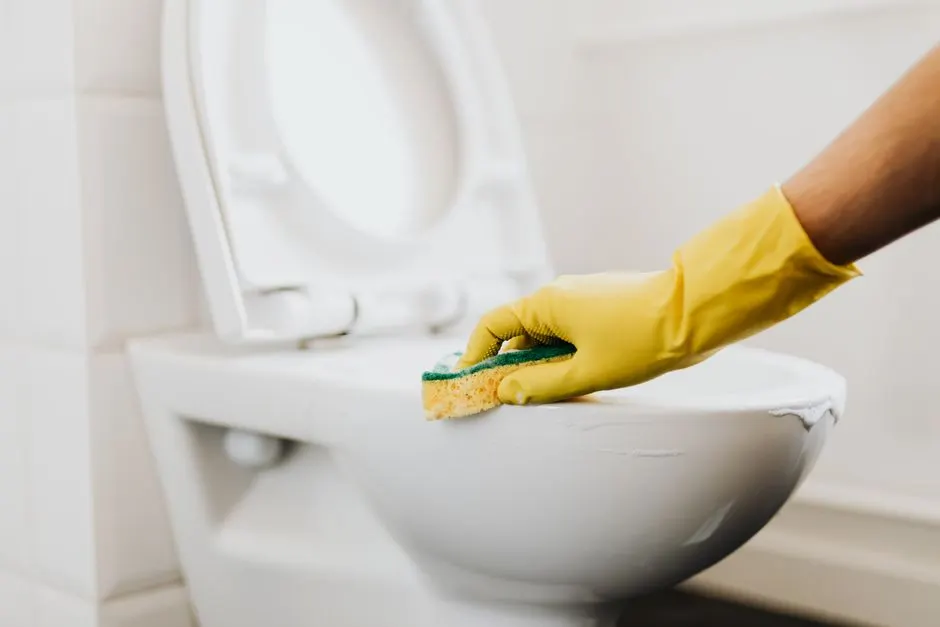
Full Moisture Inspection
We run a moisture meter and thermal imaging camera across the bathroom, the ceiling below, and the wall cavity behind the shower valve. A boroscope checks inside the wall. You get photos and a written scope before we start.
Every bathroom mold removal job includes inspection, containment, removal, source repair, and clearance testing. We tell you upfront what is covered and what is an add-on, like full tile replacement or vanity rebuild, so there are no surprises on the invoice.
We run a moisture meter and thermal imaging camera across the bathroom, the ceiling below, and the wall cavity behind the shower valve. A boroscope checks inside the wall. You get photos and a written scope before we start.
We seal the doorway with poly, set up a negative air machine, and run a HEPA air scrubber for the duration of the job. A dehumidifier holds humidity at 40 to 45 percent inside the containment.
Moldy drywall, insulation, caulk, and grout are removed, bagged on site, and hauled away. Framing and tile get HEPA-vacuumed and treated with an antimicrobial coating before any rebuild.
We fix the leak or moisture source: wax ring, supply line, drain connection, vapor barrier, or exhaust fan. Without this step, the mold returns. It is included in every scope unless it requires a licensed plumber for a main line repair.
Air samples and surface swabs go to an independent lab after remediation. You get a written clearance report by email, usually within 24 to 48 hours. If results read high, we re-treat at no additional labor cost.
Bathroom Mold Removal in Philadelphia is a containment-and-source-repair service that removes fungal growth from tile, grout, drywall, and framing while fixing the moisture that feeds it. We start with a moisture meter and thermal imaging camera to map wet zones behind the shower valve, under the toilet flange, and along the tub apron. Then we set negative air with a HEPA vacuum and air scrubber, remove porous material, and treat the framing with an antimicrobial coating. A boroscope checks the wall cavity before we close anything up.
Philadelphia's rowhouse stock is the reason most of these calls happen. Original 1920s cast iron drains weep at the hub, second-floor bathrooms sit over kitchens with no vapor barrier, and winter freeze-thaw cycles crack supply lines behind the wall. We see it in Fishtown, Kensington, and Port Richmond constantly. If you search for bathroom mold removal in Philadelphia PA near me after a ceiling stain shows up below the bathroom, that is usually a supply line or wax ring failure, not surface mildew.
Every job follows the same five steps, whether it is a powder room in Queen Village or a full hall bath in Northeast Philadelphia. You get a written scope before we start and a clearance report when we finish.
Schedule
Call or book online — a real human picks up and confirms a 2-hour arrival window.
Diagnose
Licensed tech inspects on-site, then walks you through the cause and your options.
Fix
The job is completed to code and done right the first time — no shortcuts, no surprises.
Guarantee
Every job backed by a written workmanship warranty — and we stand behind it.
Thermal imaging camera
Finds temperature differences behind bathroom walls that indicate hidden moisture, even when the surface looks dry.
Moisture meter
Reads exact moisture content in drywall, framing, and tile substrate so we know how far the wet zone extends.
Boroscope
Lets us see inside the wall cavity behind the shower valve and under the tub without unnecessary demolition.
Negative air machine and HEPA air scrubber
Creates negative pressure inside containment and filters spores out of the air so they do not spread through the house.
Dri-Eaz and Phoenix Restoration Equipment dehumidifiers
Hold containment at 40 to 45 percent relative humidity so mold does not spread while we work.
Fogger with Benefect and Concrobium
Neutralizes odor and treats irregular surfaces inside the wall cavity after removal.
HEPA vacuum
Removes settled spores from framing, tile, and hard surfaces before we apply the antimicrobial coating.
IICRC S520 remediation standard
We follow the IICRC S520 protocol for mold remediation, which covers containment, removal, cleaning, and verification. It is the standard insurance adjusters and third-party labs recognize.
EPA Lead-Safe practices
Most Philadelphia rowhouses were built before 1978, so we follow EPA Lead-Safe work practices during demolition. That protects your family and keeps the job compliant with federal rules.
Antimicrobial coating and encapsulation
After removal, we apply an antimicrobial coating to framing and use an encapsulation liner where needed. This stops regrowth on surfaces that cannot be removed, like structural joists.
Third-party clearance testing
We take air samples and surface swabs after remediation and send them to an independent lab. The written report confirms the bathroom is clean and gives you documentation for insurance or a sale.
01
What we do: We run a moisture meter and thermal imaging camera to find the hidden wet zone, usually behind the shower valve or under the toilet. Then we contain the area, remove the affected material, and repair the source.
→ The smell is gone, the moisture source is fixed, and you have a clearance report showing the bathroom is clean.
02
What we do: We document the affected area with photos, build the scope in Xactimate, and complete the removal and source repair. Third-party clearance testing gives the buyer a written report.
→ The sale moves forward without a mold contingency, and you have documentation for your records.
03
What we do: We schedule the work around the tenant, contain the bathroom, remove the growth, and repair the caulk line and any failed plumbing. We provide the clearance report directly to you.
→ The unit is rentable again within a few days, and you have documentation for your file.
04
What we do: We extract the water, set up drying equipment, and schedule the mold removal once the cavity is dry. The whole job is documented for insurance.
→ Water damage is stopped, mold is prevented or removed, and the bathroom is rebuilt in one coordinated scope.
Philadelphia's housing stock drives how we run bathroom mold jobs. Most of the city is rowhouses built between 1900 and 1950, with original cast iron drains, galvanized supply lines, and no vapor barrier in the wall assembly. That combination means a slow leak behind a shower valve can feed mold for months before you see a stain on the kitchen ceiling below. Winter freeze-thaw cycles crack supply lines, and humid summers push indoor humidity above 60 percent, which is all mold needs to spread. We see this pattern in Fishtown, Kensington, and Port Richmond constantly. If you search for bathroom mold remediation services Philadelphia, Pennsylvania, ask whether the crew follows EPA Lead-Safe practices, because pre-1978 rowhouse demolition requires it. We also check the exhaust fan on every job. Most Philadelphia bathroom fans vent into the attic instead of outside, which dumps moisture into a cold space and feeds attic mold. Fixing that vent is part of the source repair.
Fishtown
Renovated rowhouses often have new tile over old plumbing. We see wax ring failures and supply line cracks behind the new walls.
Kensington
Older cast iron drains weep at the hub, and bathroom floors stay damp. We repair the drain connection during the mold removal scope.
University City
Rental turnover means bathroom mold gets reported late. We document everything for landlords and provide clearance reports for the file.
Northeast Philadelphia
Twins and singles from the 1960s have exhaust fans that vent into the attic. We reroute the vent outside during the rebuild.
Pre-1978 rowhouse construction with no vapor barrier
Moisture moves through the wall assembly freely, so mold spreads further than the visible stain. We open the cavity wider and treat the framing.
Freeze-thaw cycles cracking supply lines
Slow leaks behind the wall feed mold all winter. We pressure-test the line after repair and dry the cavity before closing it.
Bathroom exhaust fans venting into the attic
Moisture dumps into a cold space and feeds attic mold. We reroute the vent outside as part of the source repair.
Humid summers pushing indoor humidity above 60 percent
Mold spreads faster from June through September. We set humidity targets and recommend a bathroom fan timer for prevention.
Most bathroom mold calls start with a smell, a stain, or a home inspection report. Here are the three problems we see most often in Philadelphia and how we handle each one.
Problem
Stachybotrys releases mycotoxins when disturbed and can spread to bedroom walls through the HVAC system if containment is skipped.
Our Fix
We seal the bathroom, run negative air with a HEPA air scrubber, and cut out the affected drywall under EPA Lead-Safe practices. The framing gets treated with an antimicrobial coating, and we repair the supply line or valve that caused the moisture.
Problem
Surface cleaning leaves the moisture source intact, so mold regrows within weeks and the smell never fully goes away.
Our Fix
We trace the odor with a thermal imaging camera and moisture meter to find the hidden wet zone. Once we repair the source, we remove the affected material and fog the cavity with Benefect to neutralize the odor at the source.
Problem
A ceiling stain usually means a wax ring, drain, or supply line has been leaking for months, and the joists may already be compromised.
Our Fix
We open the ceiling, inspect the joists with a boroscope, and remove any moldy drywall. The leak gets repaired, the framing treated, and the ceiling rebuilt with mold resistant drywall. Clearance testing confirms the cavity is clean.
Mold in a bathroom is a moisture problem wearing a fungus costume. We fix both, document the work for insurance, and leave you with a clearance test you can hand to a buyer or a landlord.
Source Repair First
We do not fog a wall and walk away. Our technicians locate the failed wax ring, cracked supply line, or missing vapor barrier, repair it, then remove the growth. That is why our bathroom mold cleanup Philadelphia PA jobs do not come back six months later when the next humid summer hits.
Insurance-Ready Documentation
We photograph every affected cavity, log moisture readings before and after, and build the scope in Xactimate. Adjusters accept our reports because the numbers match the photos. Most Philadelphia water-damage claims tied to bathroom mold get approved faster when the paperwork is done this way.
Containment That Protects the Rest of the House
A negative air machine and HEPA filters keep spores out of your kitchen and bedrooms while we work. We seal doorways with 6-mil poly, run a dehumidifier inside the containment, and bag debris on site. Your family does not need to leave for a standard one-bathroom job.
Clearance Testing Before We Close the Wall
We take air samples and surface swabs after remediation and send them to a third-party lab. You get a written clearance report, usually within 24 to 48 hours. That document matters when you sell a Philadelphia rowhouse or when a tenant disputes a security deposit.
Typical 2026 pricing for bathroom mold removal in Philadelphia runs $650 to $2,400 for a standard one-bathroom job. The low end covers surface growth on caulk and grout with a small drywall cut. The high end includes framing repair, mold resistant drywall, and a full rebuild. Emergency calls, sewage backup cleanup, and third-party clearance testing add to the total. You get a written flat price before we start, so the number on the invoice matches the number on the scope.
Typical Investment Range
$650 - $2,400 for a standard one-bathroom job
Fixing the source during the mold removal is cheaper than treating the same bathroom twice. Our clearance testing confirms the job is done, so you are not paying for a repeat visit in six months.
What changes the price
Size of affected area
A 4-square-foot patch behind the vanity is a different job than 40 square feet of wall and ceiling. We measure during inspection and price by the square foot of material removed.
Source repair complexity
A wax ring replacement is quick. A failed cast iron drain or a main supply line may need a licensed plumber, which adds to the scope. We tell you upfront which category your job falls into.
Material replacement
Mold resistant drywall, new tile, and a vapor barrier add cost but prevent regrowth. Standard drywall in a Philadelphia bathroom will fail again within a few years.
Emergency or after-hours scheduling
Same-day and overnight calls carry a premium because we pull a crew off another job. Standard scheduling during the week is the cheapest option.
Clearance testing
Third-party air sampling and surface swabs add $150 to $350 depending on the number of samples. It is optional for a private residence but required for most insurance claims and real estate sales.
Google ★★★★★4.9
They found a supply line leak behind our shower that two other companies missed. Removed the mold, fixed the line, and replaced the drywall. Clearance test came back clean. Fair price and no surprises.
Yelp ★★★★★4.8
We had mold on the ceiling below our bathroom in Queen Village. The crew was on time, contained everything, and left the house cleaner than they found it. The report satisfied our buyer's inspector.
BBB A+
I manage rentals in University City and have used them three times. Documentation is thorough, tenants are handled professionally, and the work passes inspection every time.
Mold Removal Philly has been working Philadelphia bathrooms since 2015. Our technicians hold IICRC WRT and IICRC AMRT certifications, and we follow EPA Lead-Safe practices on pre-1978 rowhouses, which is most of the city. We have handled everything from a single powder room in Graduate Hospital to 40-unit apartment buildings in University City. Every job gets a written scope, photo documentation, and a third-party clearance test.
Real experiences from customers who chose our Bathroom Mold Removal services.
“We had black mold behind the shower wall and two other companies just wanted to fog it. Mold Removal Philly opened the wall, found a cracked supply line, fixed it, and replaced the drywall. The clearance test came back clean. They were in and out in two days and the price matched the quote exactly.”
Maria T.
Homeowner, Fishtown
“I manage six rentals near Penn, and bathroom mold is a constant issue. Their crew documented everything for my insurance claim and handled the tenant communication. The Xactimate scope was approved without a fight. I have used them three times now and they are my go-to for anything with moisture.”
Darnell R.
Landlord, University City
“Our second-floor bathroom leaked into the kitchen ceiling. They came out same day, set up containment, and removed the moldy drywall without tracking anything through the house. The wax ring was the culprit. They replaced it, rebuilt the ceiling, and the musty smell is gone. Worth every penny.”
Jen M.
Homeowner, Queen Village
Real answers to the questions we hear most often from local homeowners and property managers.
Before any bathroom mold removal in Philadelphia, we run air samples and surface swabs to identify the species and spore count. This tells us whether the growth is black mold or a common mildew and shapes the scope.
View Mold Inspection and TestingFull containment, HEPA vacuuming, and antimicrobial treatment for growth that has moved beyond the bathroom into adjoining walls or ceilings. We use the same IICRC protocols as our bathroom work.
View Mold RemediationStachybotrys needs aggressive containment because it releases mycotoxins when disturbed. We seal the bathroom, run negative air, and remove affected drywall and framing under EPA Lead-Safe practices for older Philadelphia homes.
View Black Mold RemovalWhole-home service for Philadelphia rowhouses, twins, and single-family homes. We trace moisture from the bathroom to the basement and fix every source in one scope, which is cheaper than treating rooms one at a time.
View Residential Mold RemovalRestaurants, gyms, and office bathrooms in Center City and University City need after-hours work and documentation for health inspections. We schedule overnight and provide clearance reports for the file.
View Commercial Mold RemovalAttic condensation in Philadelphia's older roofs feeds mold that can push spores into bathroom exhaust fans. We treat the attic decking and improve ventilation so the bathroom fan is not pulling from a contaminated space.
View Attic Mold RemovalCall +1 2152813400 or email [email protected] and we will schedule an inspection, usually the same day if you reach us before noon. Water emergencies get 24/7 response. We serve every neighborhood in Philadelphia County, from Center City to Northeast Philadelphia.
Phone
+1 2152813400Address
Pearson Avenue, Unit A Philadelphia, PA 19114
Hours
Mon–Fri: 7AM – 7PM
Sat: 8AM – 4PM
Sun: Emergency Only
24/7 Emergency Available