
Basic Service
$89 starting · per visit
- Diagnostic visit
- Written estimate
- Same-day scheduling
- 30-day warranty
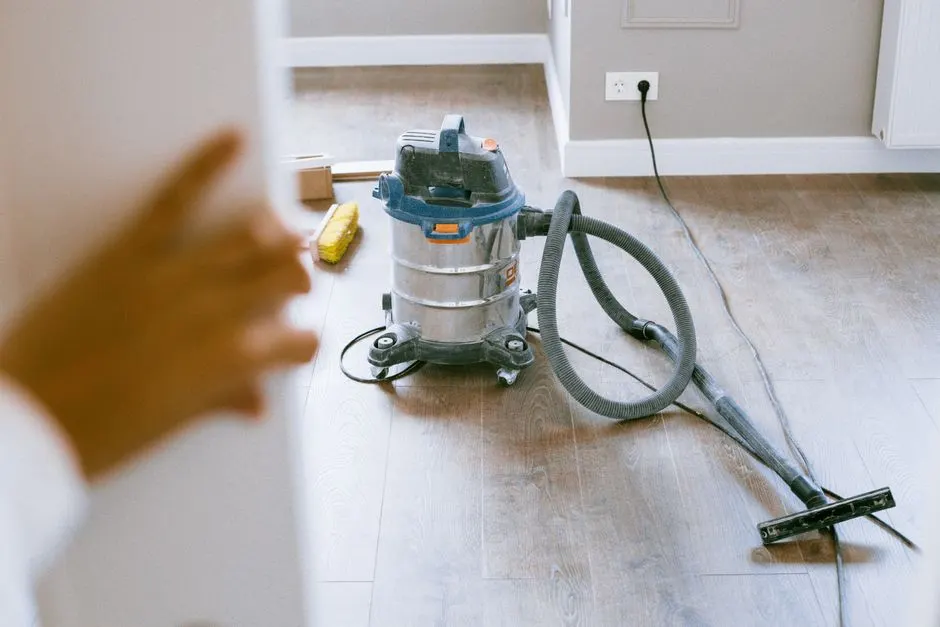
Mold removal in Northeast Philadelphia is what we do every day, not a side service. We have been working out of Philadelphia since 2015, and most of our calls come from the rowhomes and single-family houses between Roosevelt Boulevard and the river. Northeast Philly has a suburban feel inside city limits, with larger lots, mature trees and a lot of older basements that take on water. That combination keeps our crews busy. We handle mold remediation services in Northeast Philadelphia for homeowners, landlords and small commercial property owners. If you search for mold removal near Northeast Philadelphia, you will find plenty of companies. What separates us is that we fix the moisture source before we treat the mold, and we verify the job with post-remediation testing. No guessing, no repeat blooms six weeks later.
Every service we offer is built for the housing stock in Northeast Philadelphia. That means rowhome basements in Mayfair, crawl spaces under Somerton ranches, attic mold in Bustleton, and HVAC contamination in the commercial corridors along Roosevelt Boulevard. If you need emergency mold removal Northeast Philadelphia 24/7, we answer the phone at 2 a.m. and roll a truck. Below is what we do and how it looks in this part of the city.
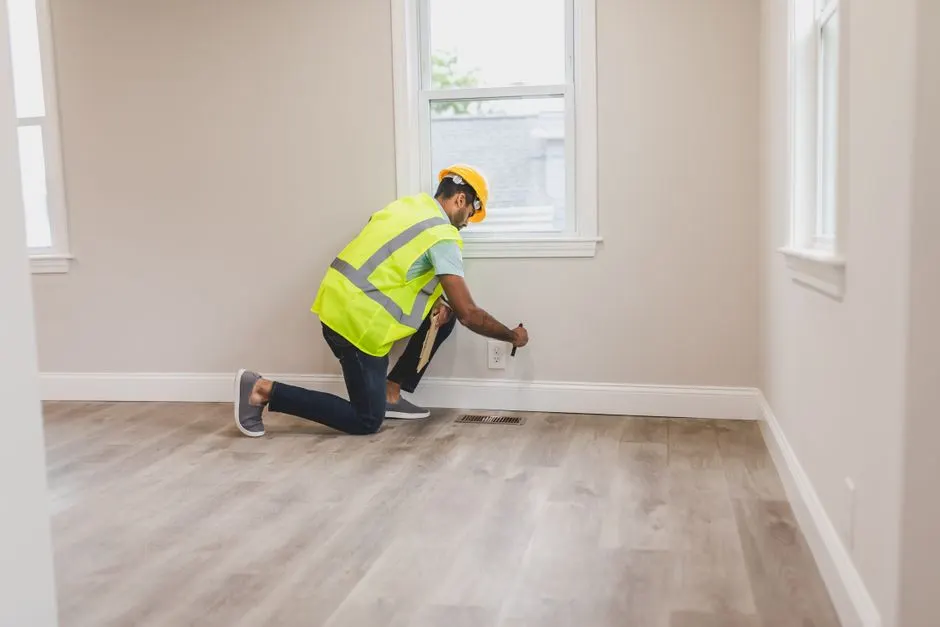
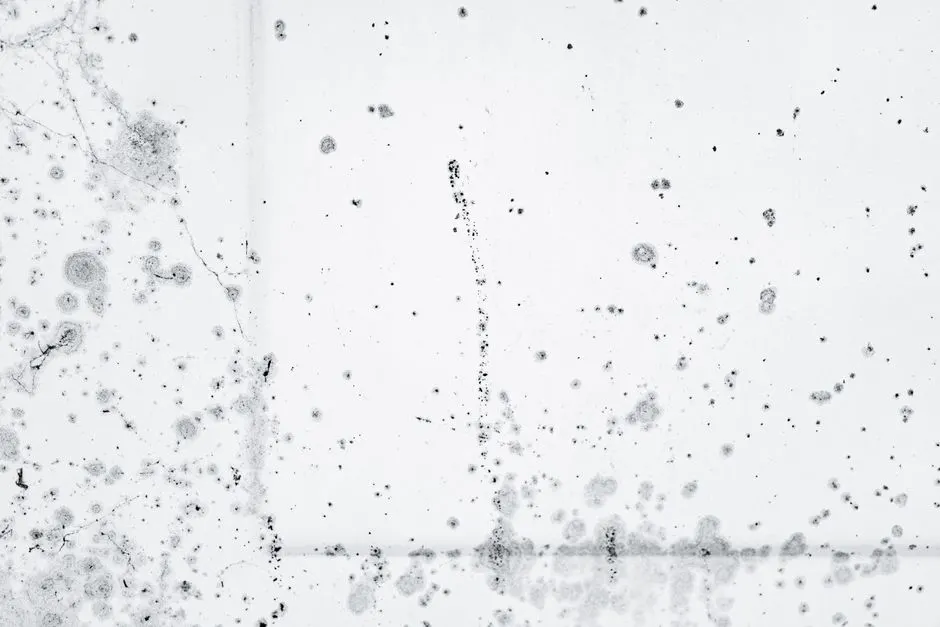
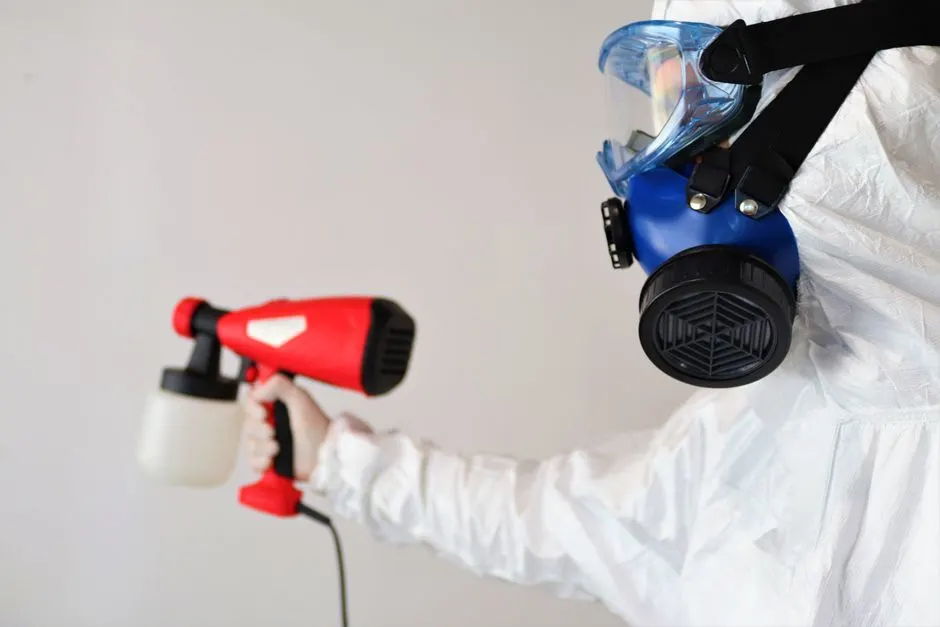
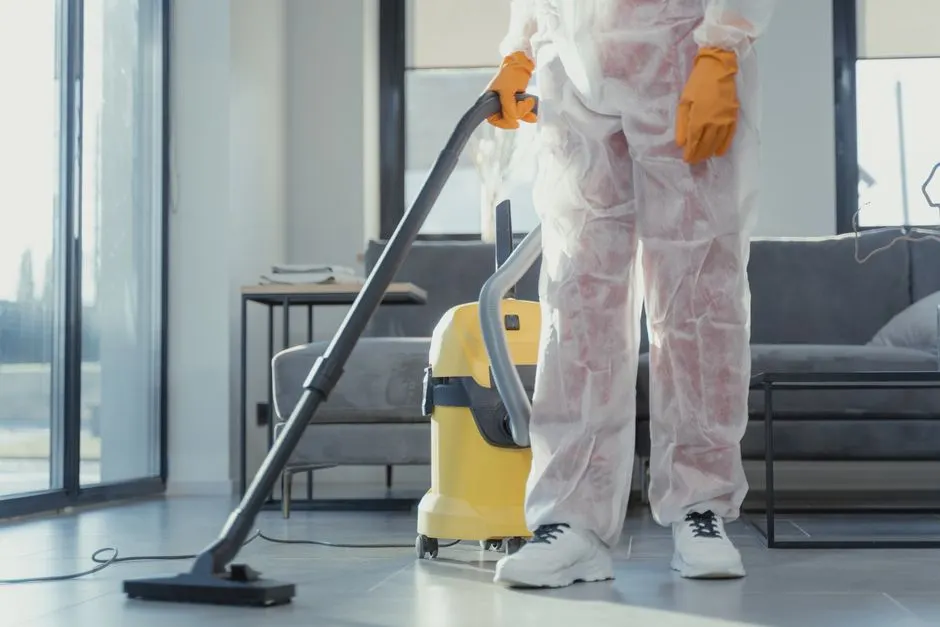

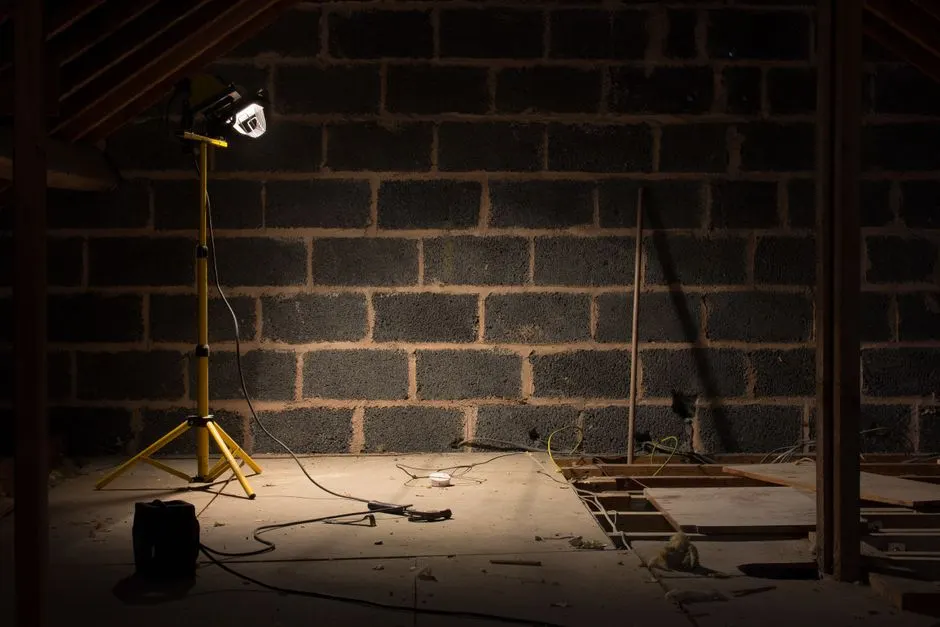
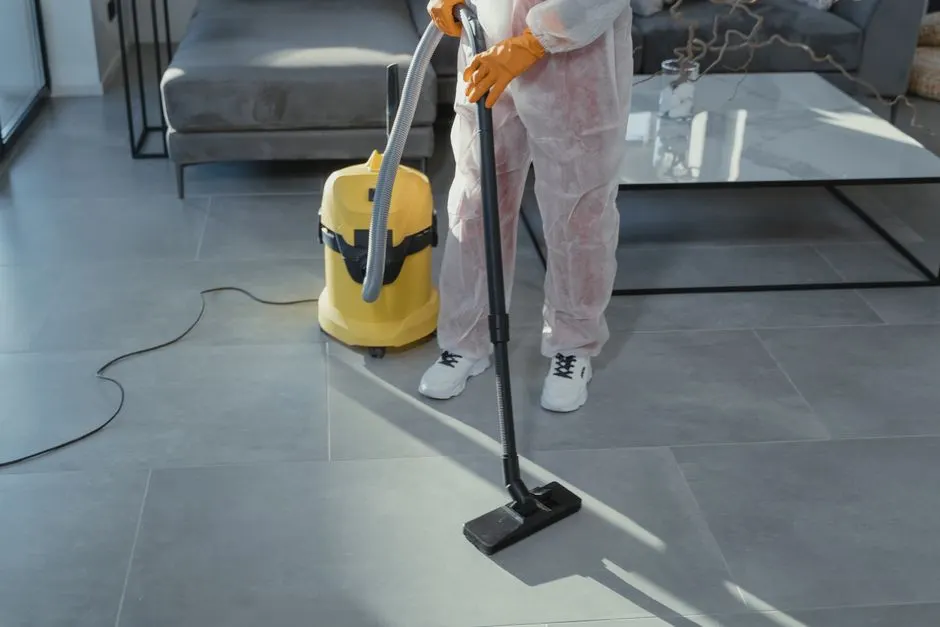
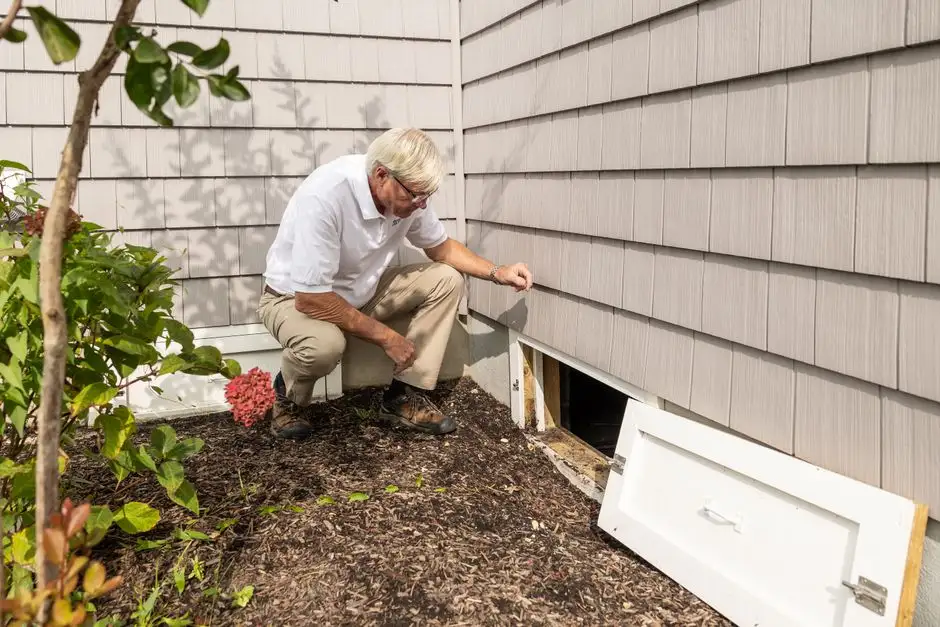
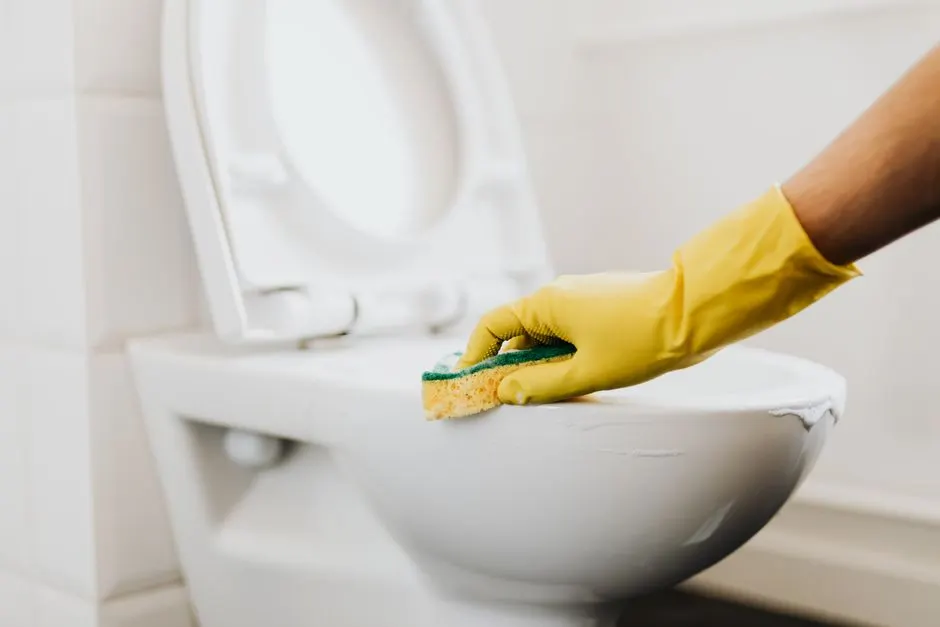
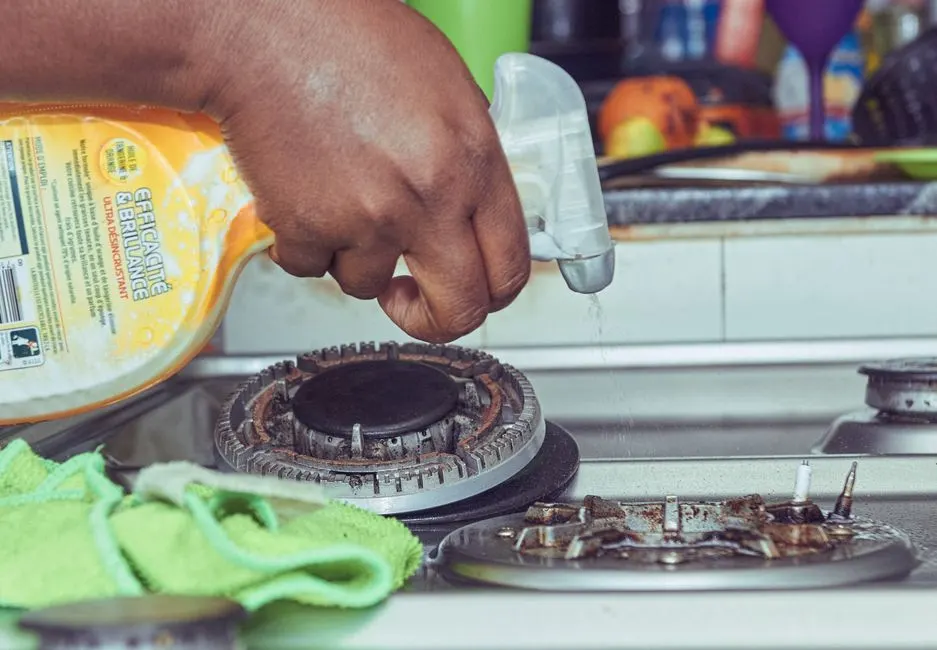
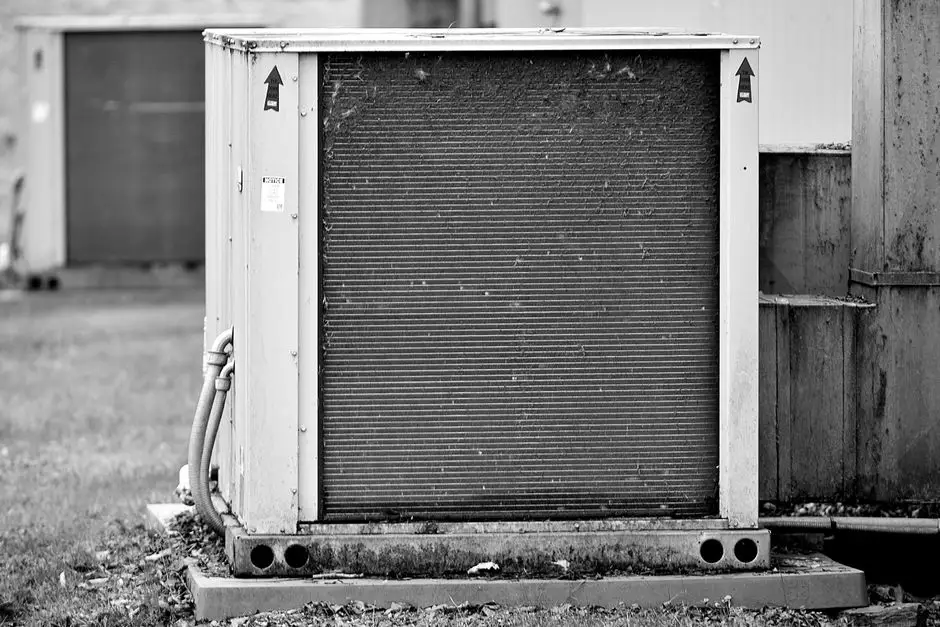
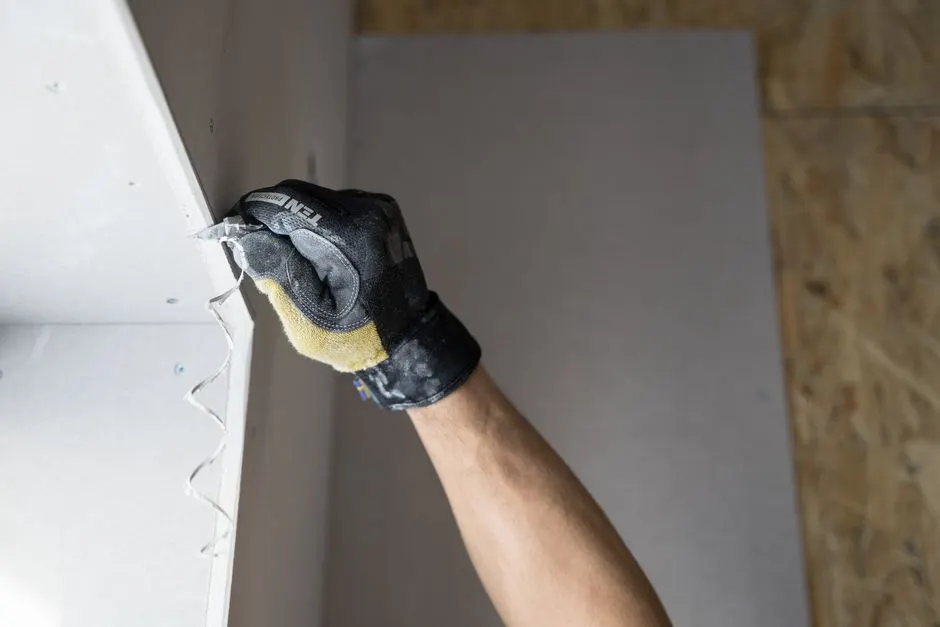
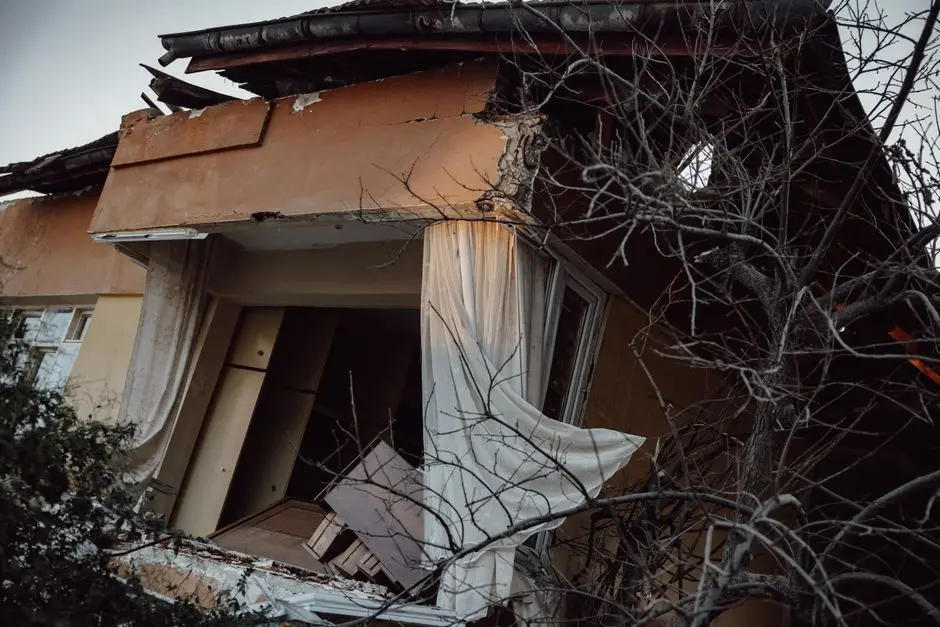


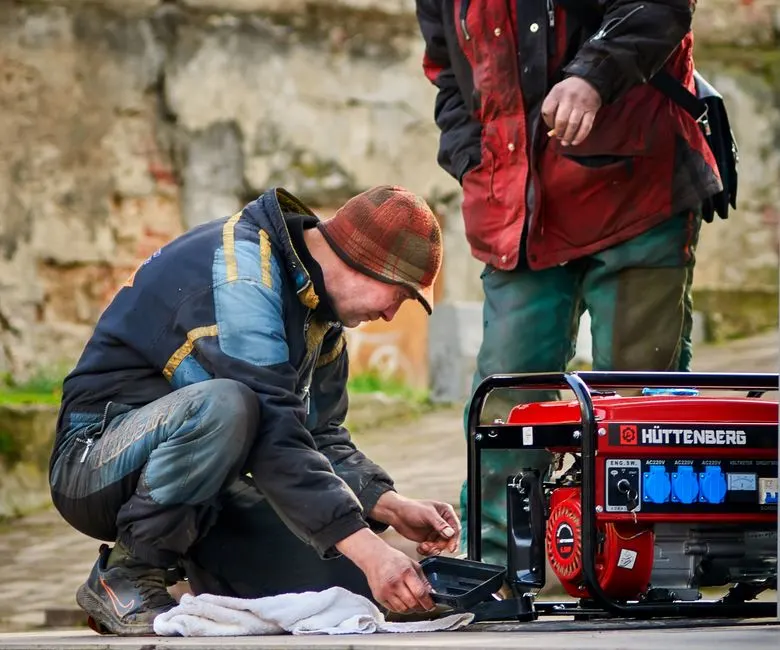
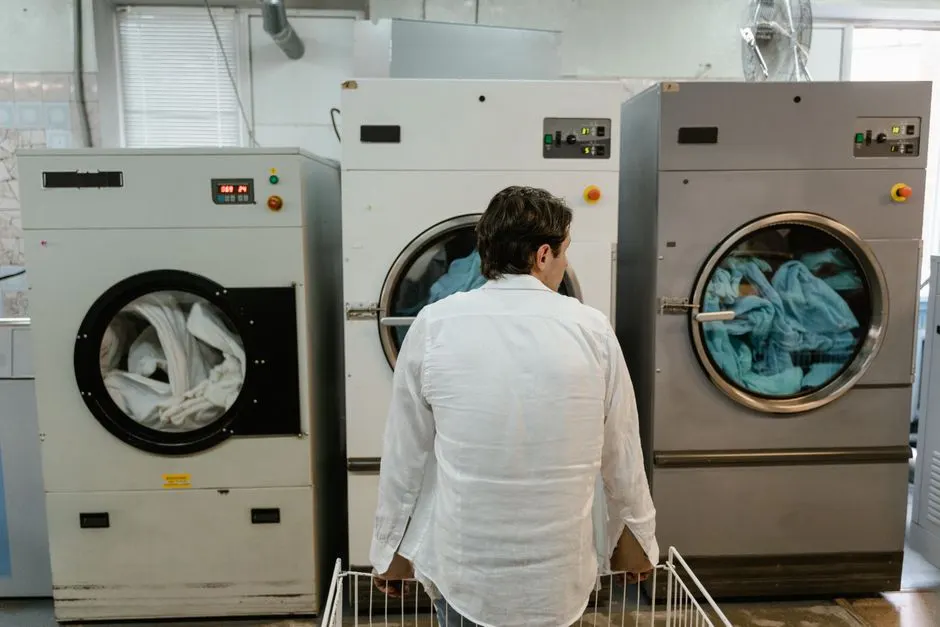
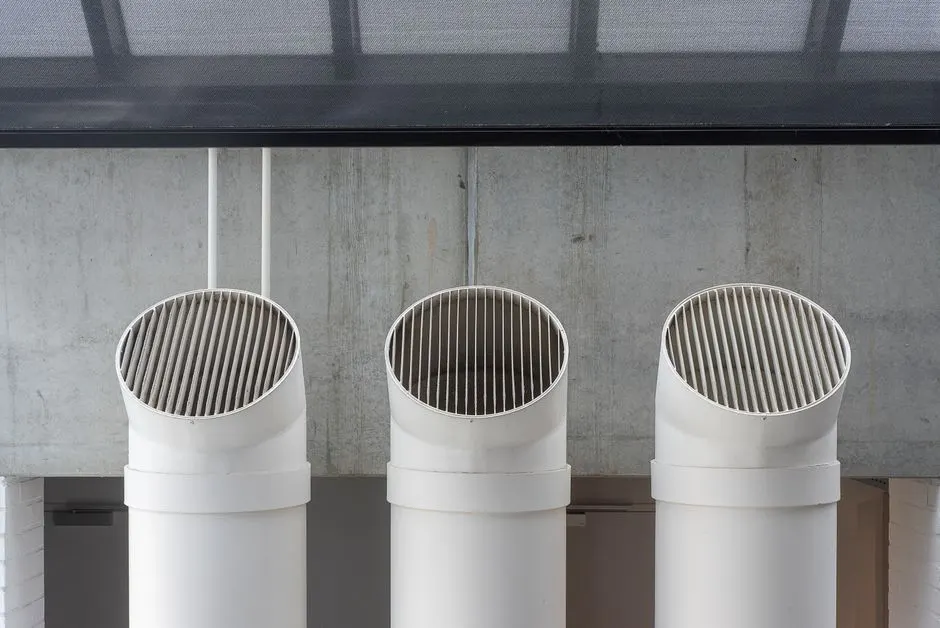
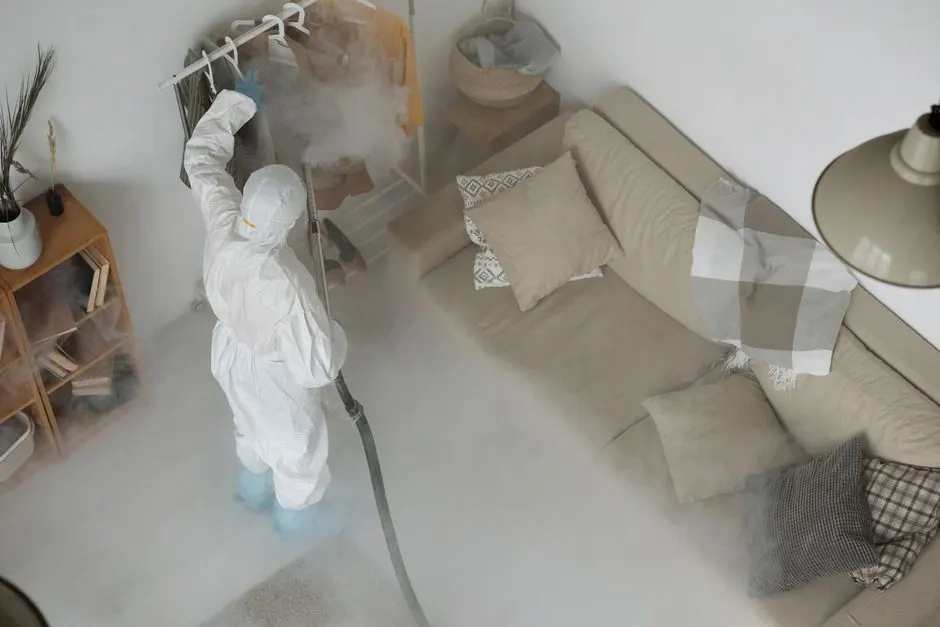

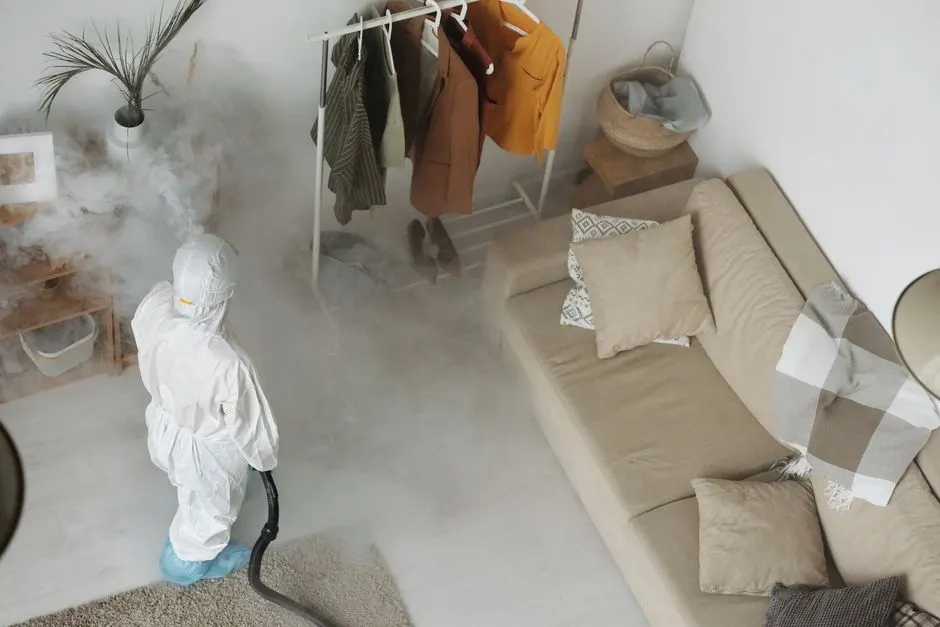



Northeast Philadelphia has a specific set of conditions that drive mold calls: humid summers, freeze-thaw winters, older housing stock and a lot of basements and crawl spaces. Add heavy rain that overwhelms the combined sewers, and you have a recipe for recurring moisture. Here are the four problems we see most, and how we handle them differently than a general handyman would.
Older rowhomes in Mayfair, Holmesburg and Tacony have stone or brick foundations and aging drain tiles. When the ground saturates, water finds the path of least resistance and comes through the wall or up through the floor. The basement stays damp for days, and mold starts within 24 to 48 hours.
Vented crawl spaces with bare dirt floors pull humid summer air in, and it condenses on cool joists and ductwork. The dirt floor releases ground moisture year-round. Insulation gets wet, sags and holds water against the wood. This is a slow, hidden problem until the smell reaches the living space.
Many Northeast Philadelphia homes have bath fans that dump moist air into the attic instead of outside. In winter, that moisture condenses on cold roof sheathing and grows mold across the underside of the roof deck. Roof leaks from tree debris do the same thing in summer. Both are common in Bustleton and Somerton.
A dirty evaporator coil, a clogged drain pan or a duct system with a leak can grow mold and blow spores into every room. In Northeast Philadelphia, this often follows a basement flood or a long stretch of high humidity. Homeowners notice the smell when the system runs, but they cannot see the source.
Mold does not always announce itself with a big black patch. In Northeast Philadelphia homes, the first sign is often a smell or a symptom, not a visible stain. If you are searching for mold removal in Northeast Philadelphia PA near me, these are the triggers that should get you on the phone. Any one of them is worth an inspection, and two or more means you probably have an active problem.
Musty smell in the basement or first floor
That earthy, damp smell is microbial volatile organic compounds, and it means mold is actively growing somewhere. In Northeast Philly rowhomes it often traces to the basement or a crawl space. If the smell gets stronger when the heat or AC kicks on, the HVAC system may be involved too. Do not wait on this one.
Dark spots on basement walls or joists
Black or greenish spots on the lower block wall, floor joists or stored boxes are classic basement mold. In Mayfair and Tacony, stone foundations wick water and keep the wall damp. Surface wiping does not fix it because the moisture source is still active. You need the leak addressed, not just the stain.
Peeling paint or bubbling drywall
Paint that peels in sheets or drywall that bubbles usually means moisture is pushing from behind. This is common around bathroom walls, under windows and along the base of exterior walls. By the time you see it, mold is often already growing on the back side of the drywall. Open it up and find the leak.
Warped or soft flooring near fixtures
Soft spots near a toilet, tub, dishwasher or refrigerator point to a slow leak that has been running for weeks. The subfloor stays wet, and mold grows underneath where you cannot see it. In Northeast Philadelphia kitchens and baths, this is one of the most common hidden mold sources we find.
Allergy symptoms that worsen at home
If your nose runs, your eyes itch or your cough gets worse when you are home and better when you leave, mold spores in the air are a likely cause. This is especially common in bedrooms above damp basements. Air quality testing gives you a real answer instead of a guess.
Typical 2026 pricing for mold removal in Northeast Philadelphia runs from about $1,200 for a small bathroom or single-room job to $6,500 or more for a full basement with containment and rebuild. Most rowhome basement jobs land in the $2,500 to $4,500 range. Crawl space encapsulation with mold removal usually runs $4,000 to $8,000 depending on square footage. Emergency calls and sewage backups cost more because of the extra labor and disposal. We give you a written price before we start, and we do not add line items mid-job. If you want affordable mold removal in Northeast Philadelphia without cutting corners, ask for the itemized scope so you can compare apples to apples.
Basic Service
$89 starting · per visit
Standard Repair
$249 average job
Premium Care
$499 annual plan
Northeast Philadelphia is big, and giving directions by street name alone does not always work. Our dispatchers use landmarks to route trucks fast. If you tell us you are near Franklin Mills Mall or off Roosevelt Boulevard, we know which way to send the crew. Pennypack Park is a useful boundary marker for the neighborhoods on the west side of the area, and the Northeast Philadelphia Airport helps us orient the far northeast. This is how we cut response time when you are already dealing with water in the basement.
A major retail landmark on the far northeast side. We use it to orient calls in the surrounding commercial and residential blocks and to route trucks coming from the north.
A useful reference point for the far northeast corner of the city. It helps us place addresses near the airport industrial area and the neighborhoods around it.
The park and its creek corridor run through the middle of the area. We use it as a boundary marker to separate the Mayfair and Holmesburg side from the Somerton and Bustleton side.
The main artery through Northeast Philadelphia. We route most of our trucks along the Boulevard and use it to estimate drive times to any address in the service area.
Plus surrounding Philadelphia County neighborhoods, with same-day routing on most appointments.
Averaging 4.9 / 5 across verified reviews.
“We had water in the basement after a storm and found black mold on the joists a week later. The crew from Mold Removal Philly came out the same day, explained exactly what they were doing, and had containment up within an hour. They found the leak, fixed it, and the clearance test passed. Fair price and no upsell.”
Dan R.
Mayfair
“Our crawl space was a mess and the whole house smelled musty. They encapsulated it and added a dehumidifier. The smell is gone and the humidity gauge they installed reads 44%. They were on time, cleaned up after themselves, and answered every question I had without talking down to me.”
Maria S.
Somerton
“Called at 11 p.m. when our sump pump died during a storm. They answered, sent a truck, and had the water out before morning. Then they handled the mold that had started on the lower wall. Two visits total and everything was documented for our insurance. I would call them again without hesitation.”
Kevin T.
Holmesburg
Mold in Northeast Philadelphia follows the weather. Fall and winter bring roof leaks and condensation, spring brings snowmelt and basement seepage, and summer brings humidity and HVAC problems. Knowing what to watch for each season helps you catch a problem before it spreads. Here is what we see across the year and what you should do about it.
Snowmelt and April rain push water into basements and crawl spaces across Northeast Philadelphia. Stone foundations weep, sump pumps run constantly and floor drains back up. This is when we get the most basement mold calls of the year. Crawl spaces that stayed borderline all winter tip over into active mold growth.
Tip: Test your sump pump now. Pour a bucket of water into the pit and make sure it kicks on and pumps out. Clear debris from window wells and check that the ground slopes away from the foundation.
Humidity is the story in July and August. Vented crawl spaces pull in moist air, basements stay damp and HVAC systems run nonstop. Condensation on cold ductwork and pipes feeds mold in crawl spaces and mechanical rooms. Attic mold from bath fans gets worse because the AC is running and the attic is hot and humid.
Tip: Run a dehumidifier in the basement and set it to 50% RH. Change your HVAC filter monthly. If your crawl space has open vents and a dirt floor, that is the season to encapsulate it.
Leaves clog gutters and downspouts, and the first heavy rain sends water down the exterior walls and into the foundation. Roof leaks from summer storms show up as attic mold now. This is also when we start seeing mold behind siding and around window frames after a wet fall. It is the best time to fix drainage before winter.
Tip: Clean your gutters after the leaves drop and add downspout extensions to move water at least six feet from the foundation. Check the attic for dark staining on the roof sheathing.
Freeze-thaw cycles open cracks in foundations and masonry, and ice dams push water under shingles and into the attic. Indoor humidity rises because windows stay closed and bath fans run more. Condensation on cold exterior walls and pipes feeds mold in corners and closets. Pipe bursts are a real risk during hard freezes.
Tip: Keep indoor humidity between 30% and 50%. Insulate pipes in unheated spaces and let a trickle run during hard freezes. If you see frost or condensation on walls, ventilate that room and check for a leak.
Northeast Philadelphia is one piece of a larger service region. We run trucks across Philadelphia County and into the surrounding neighborhoods, so if you are just outside our core area, call anyway. Here is how the nearby areas relate to our Northeast Philly routes.
(City)
About 30 to 40 minutes south via I-95 or Roosevelt Boulevard. We take Center City calls on the same schedule as our Northeast Philadelphia routes.
View Center City(City)
Roughly 35 minutes south. Older building stock and historic masonry make moisture control a different challenge than Northeast Philly rowhomes.
View Old City(City)
About 30 minutes south. A mix of new construction and rehabbed buildings, with basement and HVAC mold calls that look similar to what we see in Northeast Philly.
View Northern Liberties(City)
About 25 to 30 minutes south. Renovated rowhomes and converted industrial spaces, often with hidden moisture behind new finishes.
View Fishtown(City)
About 25 minutes south. Dense rowhome blocks with aging plumbing and frequent water damage calls that turn into mold jobs.
View Kensington(City)
About 20 to 25 minutes south along the river. Older housing stock and river-adjacent moisture issues similar to what we see in Tacony.
View Port RichmondReal answers from our team for the questions we hear most often before a job starts.
If you have mold in your Northeast Philadelphia home or business, call Mold Removal Philly at +1 2152813400. We answer 24/7, we give you a fixed written price before we start, and we verify every job with clearance testing. We have been working this area since 2015 and we know the housing stock from Mayfair to Somerton. Whether it is a basement, a crawl space, an attic or an HVAC system, we find the water, remove the mold and prove it is gone.
Call +1 2152813400 or email [email protected] and we will schedule an inspection, usually the same day if you reach us before noon. Water emergencies get 24/7 response. We serve every neighborhood in Philadelphia County, from Center City to Northeast Philadelphia.
Phone
+1 2152813400Address
Pearson Avenue, Unit A Philadelphia, PA 19114
Hours
Mon–Fri: 7AM – 7PM
Sat: 8AM – 4PM
Sun: Emergency Only
24/7 Emergency Available