
Basic Service
$89 starting · per visit
- Diagnostic visit
- Written estimate
- Same-day scheduling
- 30-day warranty
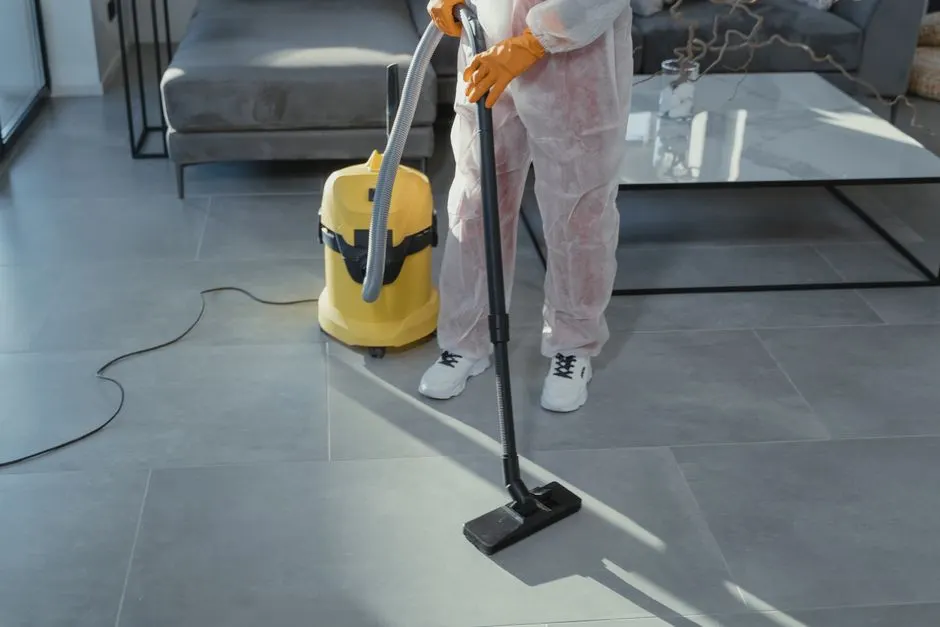
Mold removal in Germantown is a different job than it is in a new-build suburb. Most of the housing stock here went up between 1880 and 1930, which means stone foundations, unlined crawl spaces, original plaster over wood lath, and sewer lines that tree roots have been working on for decades. We have been running calls in 19144 and 19138 since 2015, and the pattern is consistent: water gets in low, sits behind plaster or under a basement slab, and mold shows up weeks later as a musty smell or a dark stain along a baseboard. Our team handles Germantown mold removal from the first moisture reading to the final clearance test. We use thermal imaging cameras to find hidden wet pockets, moisture meters to confirm readings, and air scrubbers with HEPA filters to keep spores out of the rest of your house while we work. If you need the best mold removal Germantown PA has on call, we would rather show you the readings than talk about them.
Germantown mold removal calls break down into a few categories: wet basements after a storm, crawl spaces that have never been sealed, attic condensation in older roofs, and bathroom or kitchen leaks that sat too long. If you have been searching for mold removal in Germantown PA near me and want a crew that knows the housing stock, here is what we run in 19144 and 19138 every week.
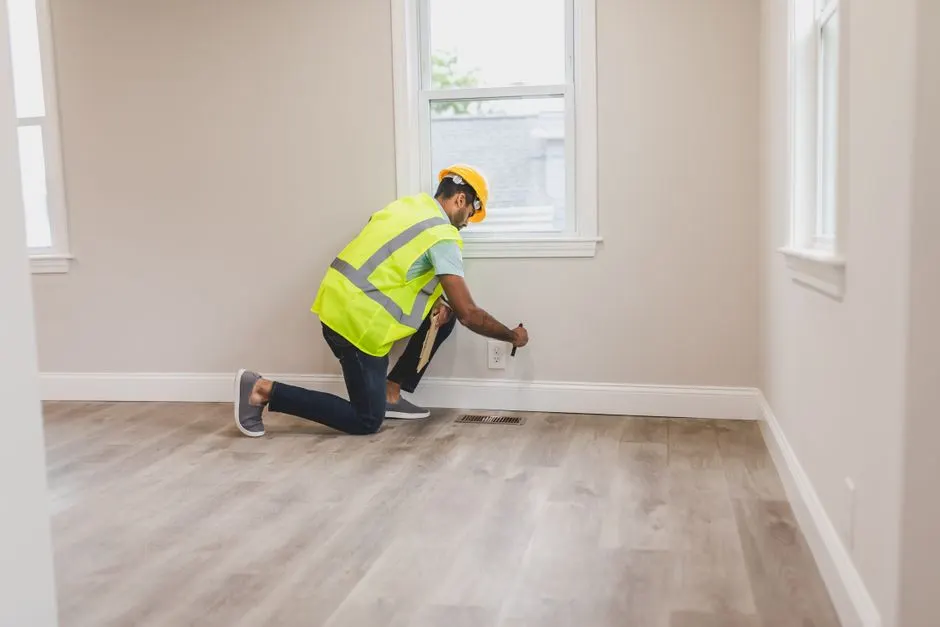


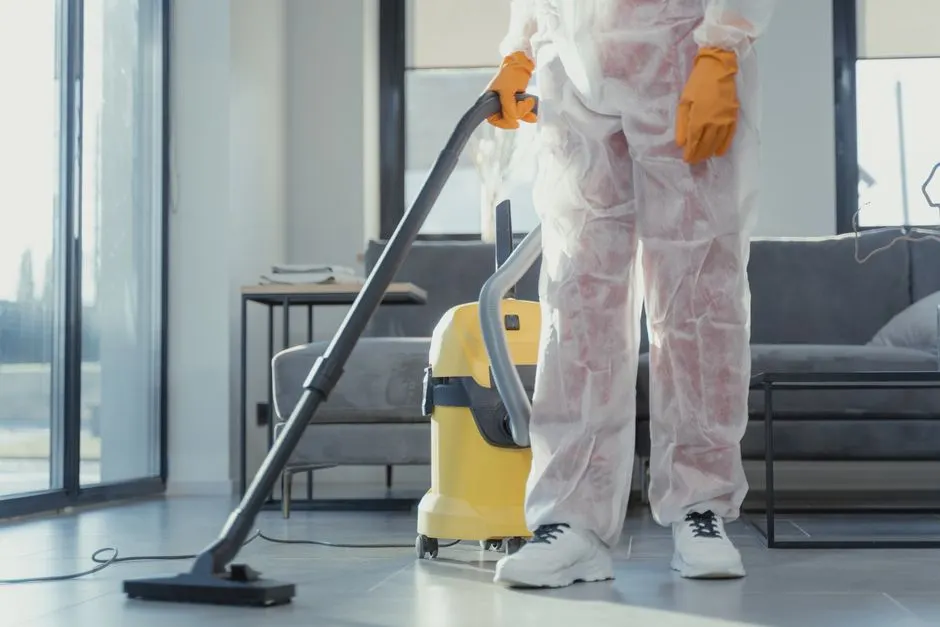

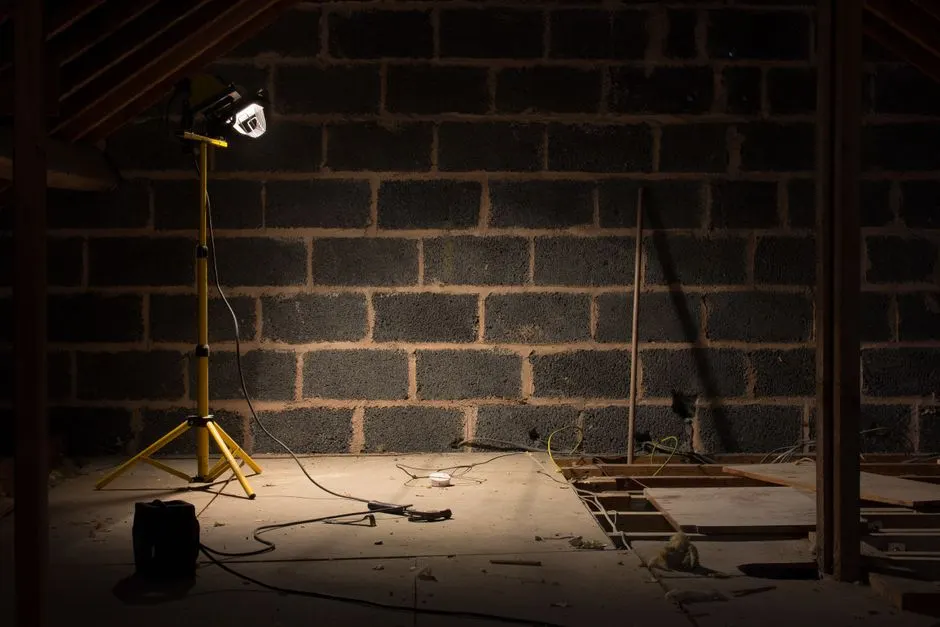
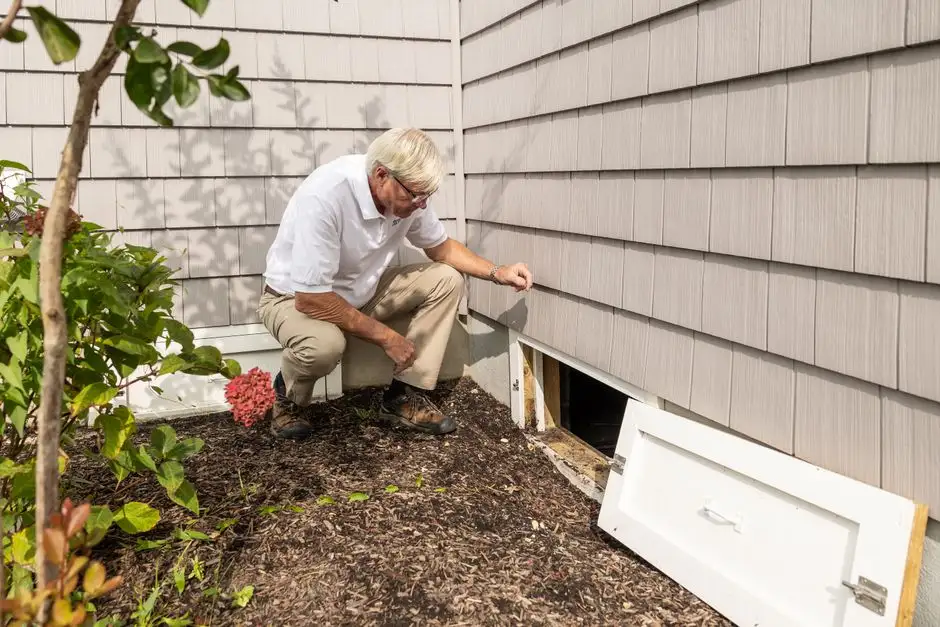
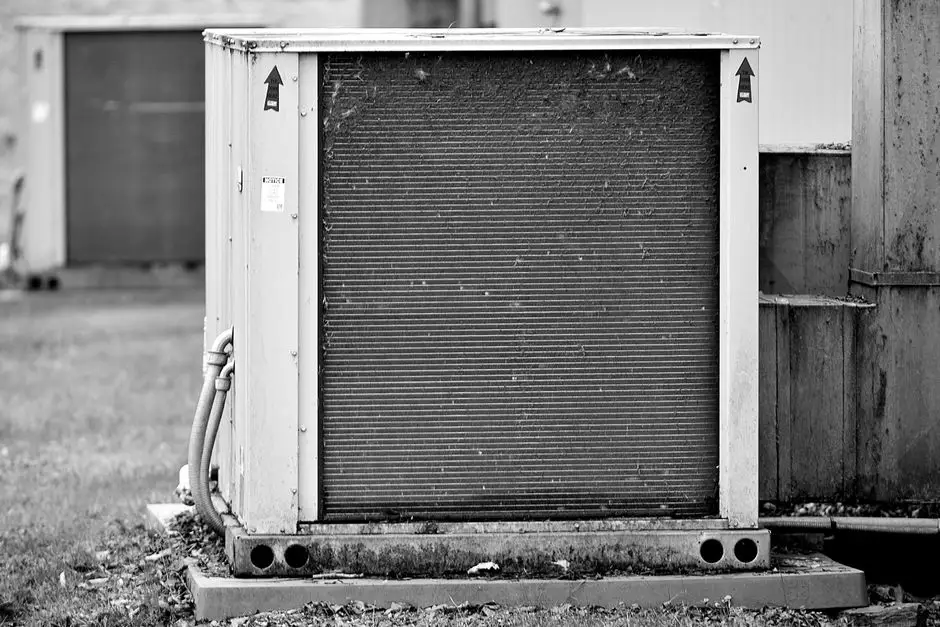
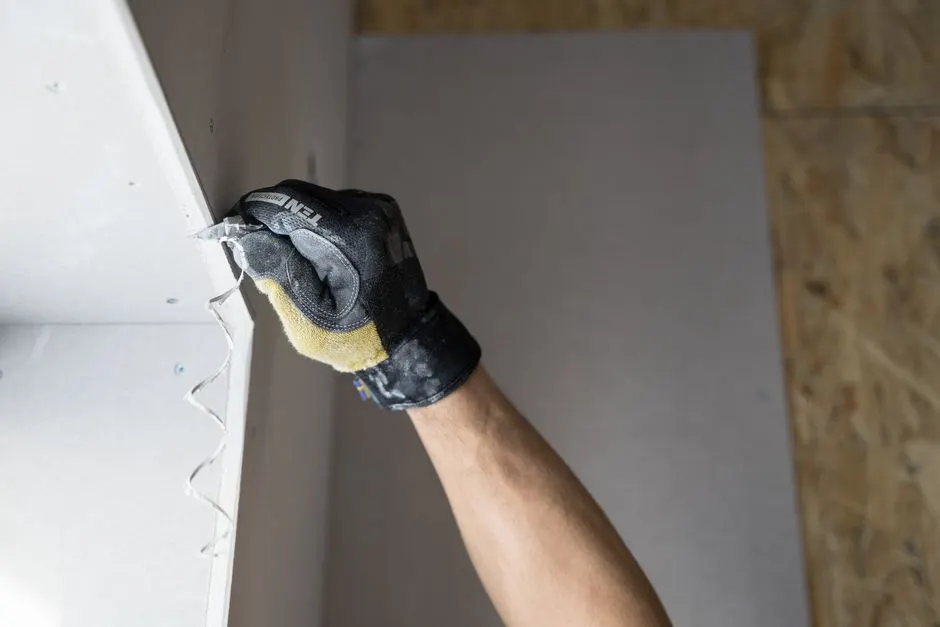
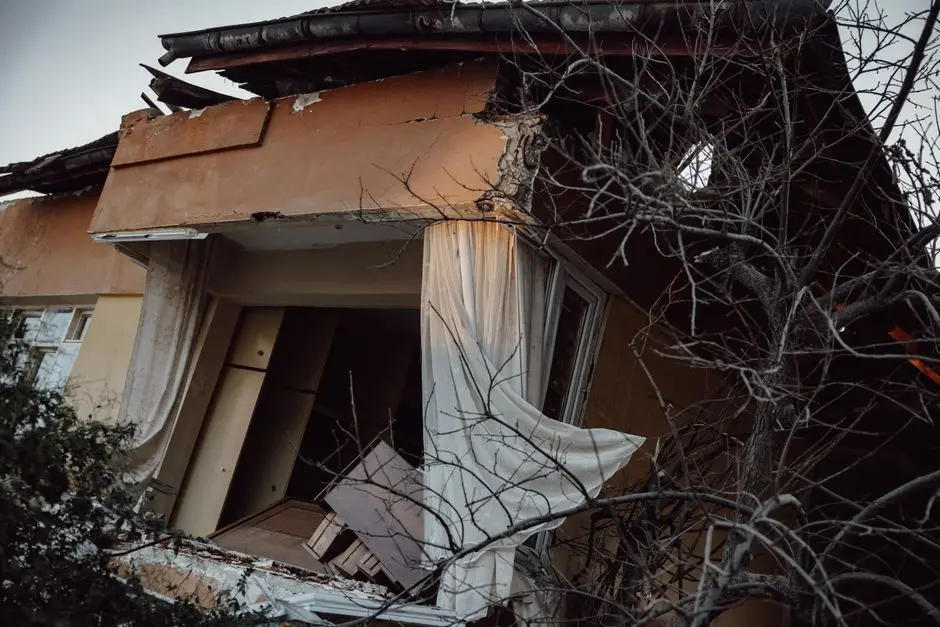


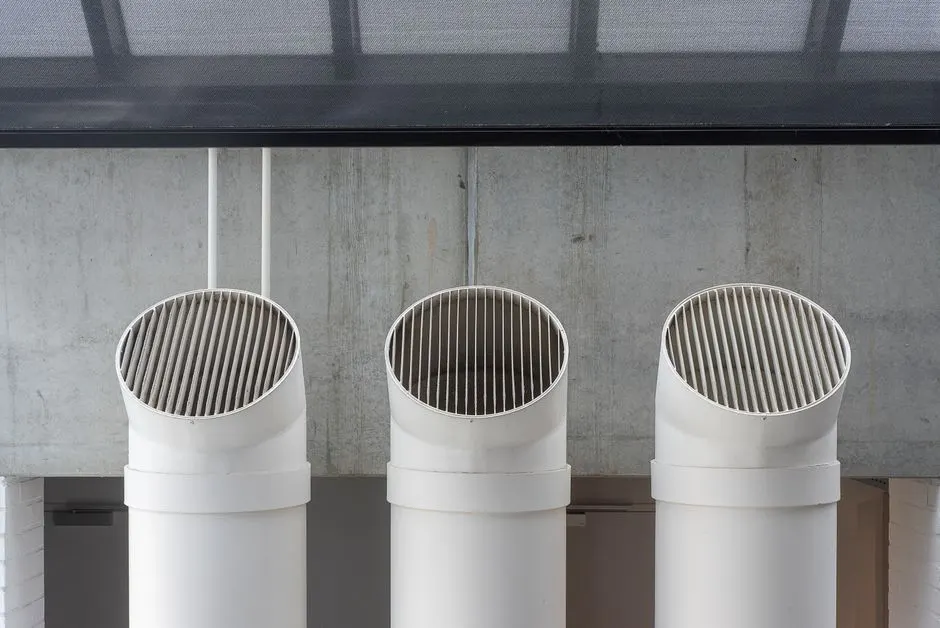


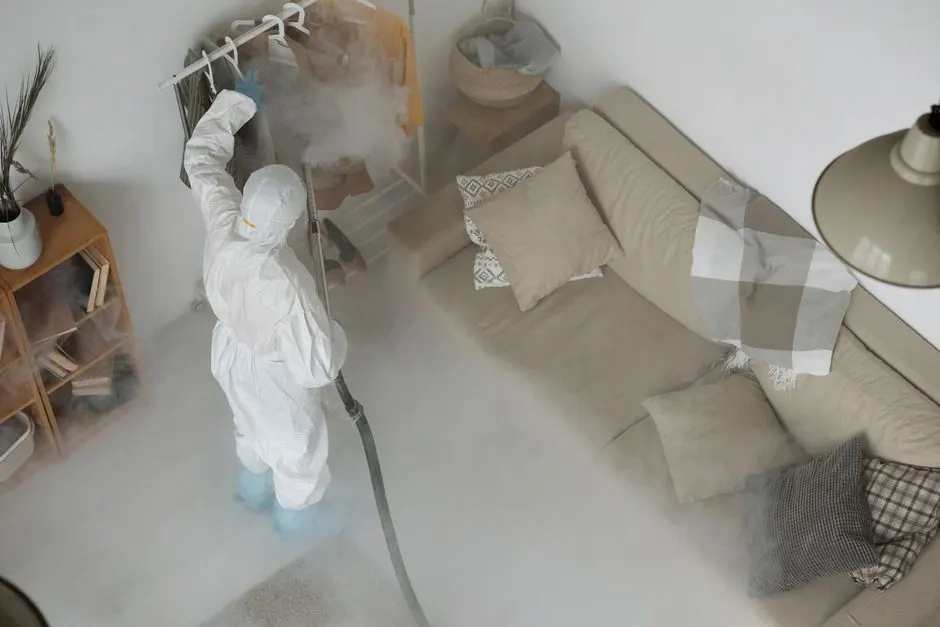

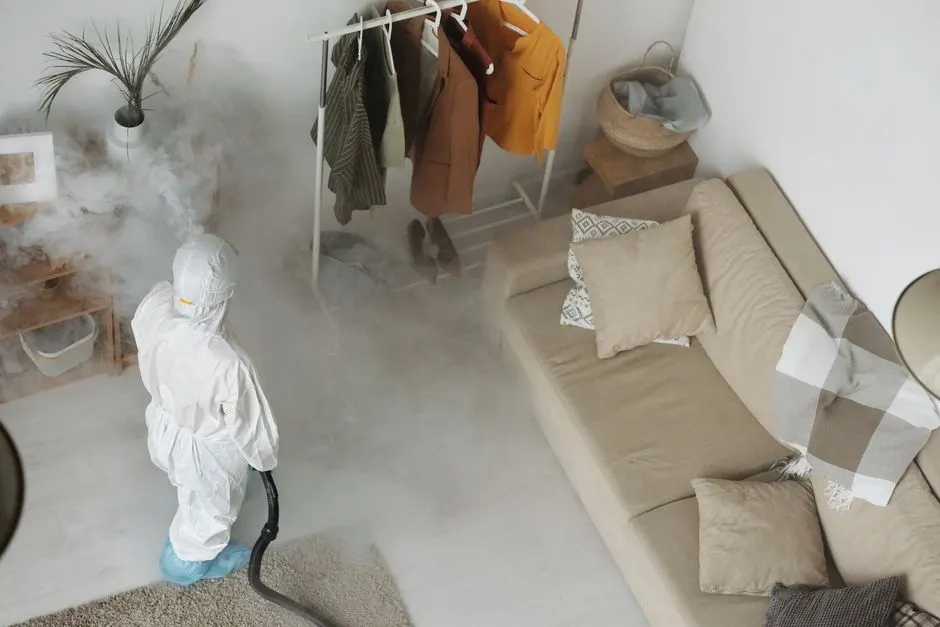


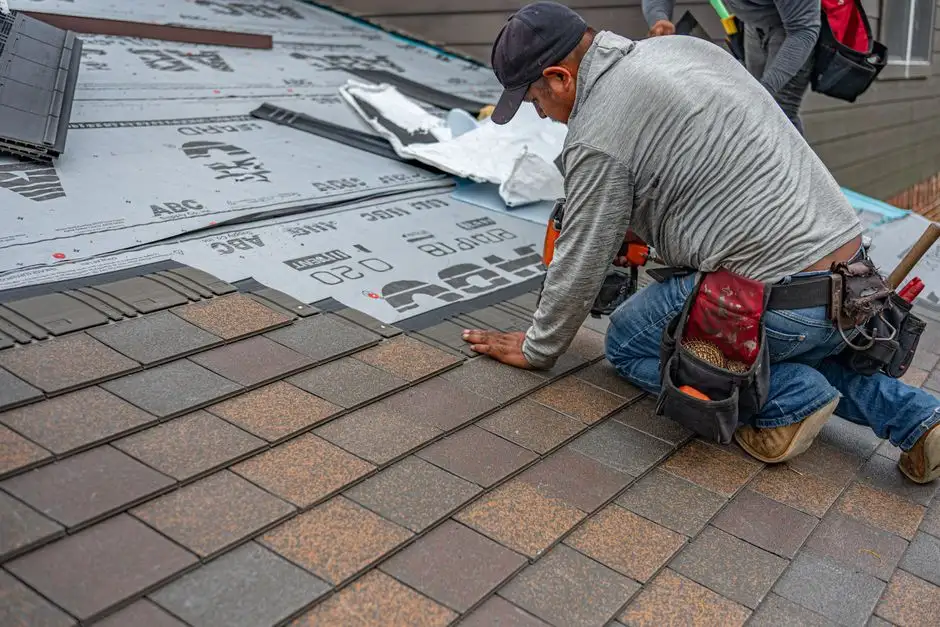



Germantown's climate and housing stock create a specific set of mold problems. Humid summers, freeze-thaw winters, mature trees, and stone foundations all push water into places it should not be. If you are comparing mold remediation services Germantown providers offer, ask them how they handle these four issues. They come up on almost every job we run here.
Most Germantown basements have stone or brick foundations with mortar joints that have been wet for decades. Groundwater moves through the wall by capillary action, so the wall stays damp even when the floor is dry. Mold grows on joists, sill plates, and anything stored against the wall.
Many Germantown crawl spaces are dirt-floored with open foundation vents. In summer, humid air enters and condenses on cool joists. The dirt floor releases moisture year-round. Mold grows on the subfloor and joists, and the smell rises into the living space.
Older Germantown roofs often have poor ridge and soffit ventilation. Warm moist air from the house rises into the attic, hits cold sheathing in winter, and condenses. Add a chimney flashing leak or a valley leak, and you have mold on the sheathing and wet insulation by spring.
Tree roots in Germantown's old clay and cast iron laterals cause backups during heavy rain. A finished basement takes on Category 3 water, which is contaminated. Mold can start within 48 hours, and anything porous that got wet has to come out.
Mold does not always announce itself with a visible patch. In Germantown's older homes, it usually starts behind plaster, under a basement stair, or on the back of drywall where you cannot see it. If you have been searching for black mold removal in Germantown near me, here are the signs that mean it is time to call rather than wait.
Musty smell that returns after cleaning
A musty odor that comes back within days of cleaning usually means active mold growth somewhere you cannot see. In Germantown basements and crawl spaces, it is often on joists or the back of drywall. Air fresheners and foggers do not fix it. You need to find the moisture source.
Dark stains along baseboards or joists
Black or greenish staining along the bottom of a wall or on basement joists is a strong indicator of long-term moisture. In stone-foundation homes, it often traces to wicking through the wall. The longer it sits, the deeper it goes into the wood.
Bubbling or soft drywall
Paint that bubbles or drywall that feels soft means water is behind the surface. In Germantown, this is usually a slow supply line leak, a roof leak, or a backed-up drain. By the time the surface shows it, mold is often already growing on the back of the board.
Condensation on windows or pipes
Constant condensation on basement pipes or single-pane windows means indoor humidity is too high. Germantown basements often sit above 65 percent relative humidity in summer. That is enough for mold to grow on cool surfaces like pipes, joists, and exterior walls.
Allergy symptoms that improve when you leave
If your sinuses clear up when you are away from home and get worse when you return, indoor air quality is a likely cause. Mold spores in a Germantown basement or HVAC system can circulate through the whole house. Air quality testing will tell you what is in the air.
Typical 2026 pricing for mold removal in Germantown runs $1,200 to $3,500 for a single-room or small basement job, and $4,000 to $9,000 or more for a full basement, crawl space, or attic with extensive growth. The number that matters is not the square footage, it is how much material has to come out and how the water got in. A 200-square-foot bathroom with mold behind the tile is a different job than a 900-square-foot crawl space with mold on every joist. We give you a written scope with the price before we start, and we do not add line items mid-job without your approval. If you want affordable mold removal in Germantown without cutting corners on containment or clearance testing, we will show you where the money goes.
Basic Service
$89 starting · per visit
Standard Repair
$249 average job
Premium Care
$499 annual plan
Germantown is not a grid, and the one-way streets and dead ends around the older estates will eat a GPS route alive. Our crews orient off the landmarks below, which helps us give you an honest arrival window instead of a vague one. If you are near Cliveden or up by Germantown Friends School, tell us on the phone and we will know exactly which block you mean.
The historic house on Germantown Avenue is a reliable anchor for the surrounding blocks. When a caller says they are near Cliveden, we know which side streets are one-way and where to park a truck without blocking the Avenue.
The campus off Germantown Avenue helps us route around school-day traffic and drop-off congestion. We schedule around arrival and dismissal times so we are not stuck on Coulter Street with a loaded truck.
The arboretum on the east side is a useful marker for the surrounding residential blocks. It also tells us the block likely has mature trees, which matters for roof debris, gutters, and sewer root intrusion.
The Avenue is the spine we use to reach almost every job in 19144 and 19138. Knowing which cross streets are open and where the commercial loading zones are saves us 10 to 15 minutes on a call.
Plus surrounding Philadelphia County neighborhoods, with same-day routing on most appointments.
Averaging 4.9 / 5 across verified reviews.
“We had a sewer backup in our finished basement and I was panicking. The crew arrived within 90 minutes, explained what was contaminated and what was not, and set up drying equipment the same night. They camerad the line and showed me the roots. Clearance test passed the first time and the insurance paperwork was handled without me chasing anyone.”
Denise M.
East Germantown
“Our crawl space had mold on the joists and the smell was coming up into the kitchen. They encapsulated the whole space, installed a dehumidifier, and showed me the humidity readings before and after. Honest about what needed to be done and what did not. Two winters later, still dry.”
Robert K.
West Germantown
“Attic mold from a roof leak that we did not catch until spring. They found the leak with a moisture meter, fixed the flashing, removed the moldy sheathing, and improved the ventilation. Took four days and they kept us updated every step. The clearance report came back clean.”
Aisha T.
Mount Airy
Mold in Germantown follows the weather. Fall is when we get the most calls, because summer humidity has been building in basements and crawl spaces for months and the first cool nights make the musty smell obvious. Spring brings the roof leak and gutter calls. Here is what we see across the year and what you should do about it.
Spring rain finds every roof leak, flashing gap, and clogged gutter in Germantown. Attic mold and ceiling stains show up in April and May. Basements that stayed dry all winter start taking on water.
Tip: Clean your gutters in March and check the attic after the first heavy rain. If you see a stain on a ceiling, get it looked at before it spreads.
Humidity is the story in summer. Germantown basements and crawl spaces sit above 65 percent relative humidity for weeks. Mold grows on cool pipes, joists, and exterior walls. HVAC systems with basement air handlers can spread spores through the house.
Tip: Run a dehumidifier in the basement and keep it set under 55 percent. Change your HVAC filter monthly. If you smell musty air from the vents, get the air handler checked.
This is our busiest season for mold calls in Germantown. Summer moisture has been sitting in basements and crawl spaces for months, and the first cool nights make the musty smell obvious. Leaves clog gutters and dump water against foundations.
Tip: Clean gutters after the leaves drop and check your sump pump before the fall rain. If you smell musty air in the basement, get a moisture reading before winter.
Freeze-thaw cycles open mortar joints and crack pipes. Ice dams on older roofs push water under shingles and into attics. Attic condensation from warm indoor air hitting cold sheathing is a common winter call in Germantown.
Tip: Watch for ice dams and check the attic for frost or damp sheathing. If a pipe freezes, thaw it slowly and check for leaks. Fix any leak before spring.
Germantown sits in the middle of our service area, which means we can reach most of Philadelphia County without a long drive. We run the same crews and the same equipment in the neighborhoods below. If you are just outside Germantown, call and we will tell you honestly whether we cover your block.
(City)
About 20 to 30 minutes down Germantown Avenue or Lincoln Drive. We run Center City jobs on the same schedule as Germantown calls.
View Center City(City)
Roughly 25 to 35 minutes southeast. Older building stock and basement moisture issues similar to what we see in Germantown.
View Old City(City)
About 25 minutes toward the river. We handle rowhouse and converted-building remediation there with the same crews.
View Northern Liberties(City)
Roughly 25 to 30 minutes east. Basement and crawl space work in older rowhouses, often after sewer backups.
View Fishtown(City)
About 25 to 35 minutes southeast. We run commercial and residential remediation there, usually with tight access and after-hours scheduling.
View Kensington(City)
Roughly 30 minutes east. Older housing stock and river-adjacent moisture issues, similar patterns to Germantown's wet basements.
View Port RichmondReal answers from our team for the questions we hear most often before a job starts.
If you have a musty smell, a stain on a basement wall, or water where it should not be, call us. We have worked Germantown since 2015, we hold IICRC AMRT certification, and we carry $2M in liability coverage. We will give you a written scope and a straight price before we start. Same-day service is available most weekdays, and we run emergency calls 24/7 for water damage and sewage backups. Call +1 2152813400 or send us a message and we will get back to you fast.
Call +1 2152813400 or email [email protected] and we will schedule an inspection, usually the same day if you reach us before noon. Water emergencies get 24/7 response. We serve every neighborhood in Philadelphia County, from Center City to Northeast Philadelphia.
Phone
+1 2152813400Address
Pearson Avenue, Unit A Philadelphia, PA 19114
Hours
Mon–Fri: 7AM – 7PM
Sat: 8AM – 4PM
Sun: Emergency Only
24/7 Emergency Available