Basic Service
$89 starting · per visit
- Diagnostic visit
- Written estimate
- Same-day scheduling
- 30-day warranty
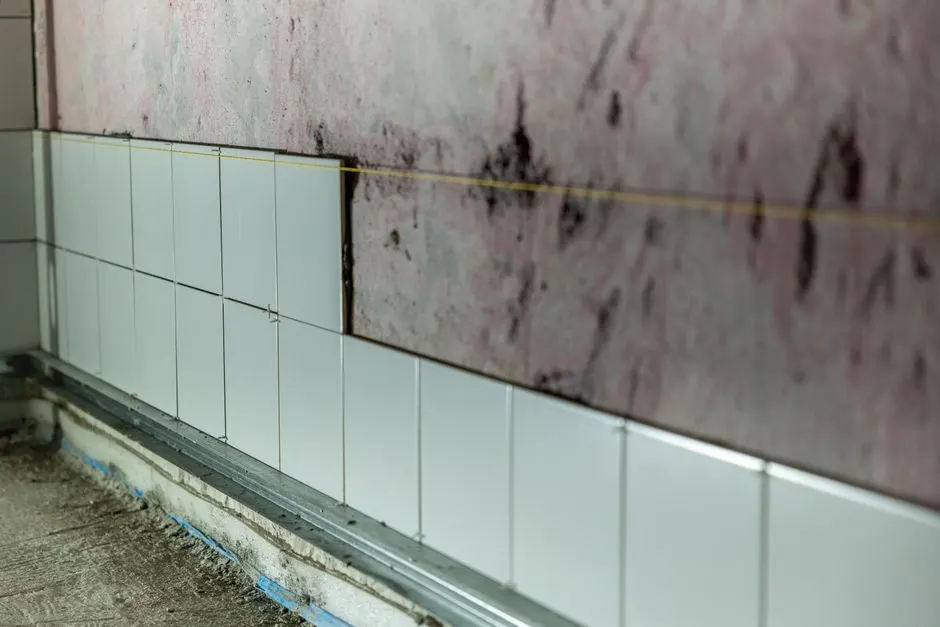
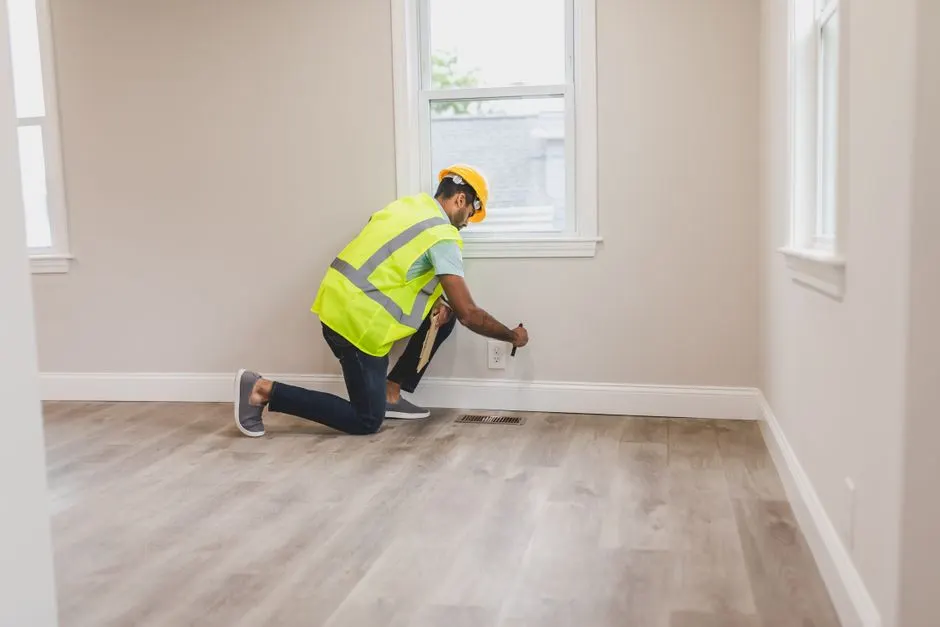
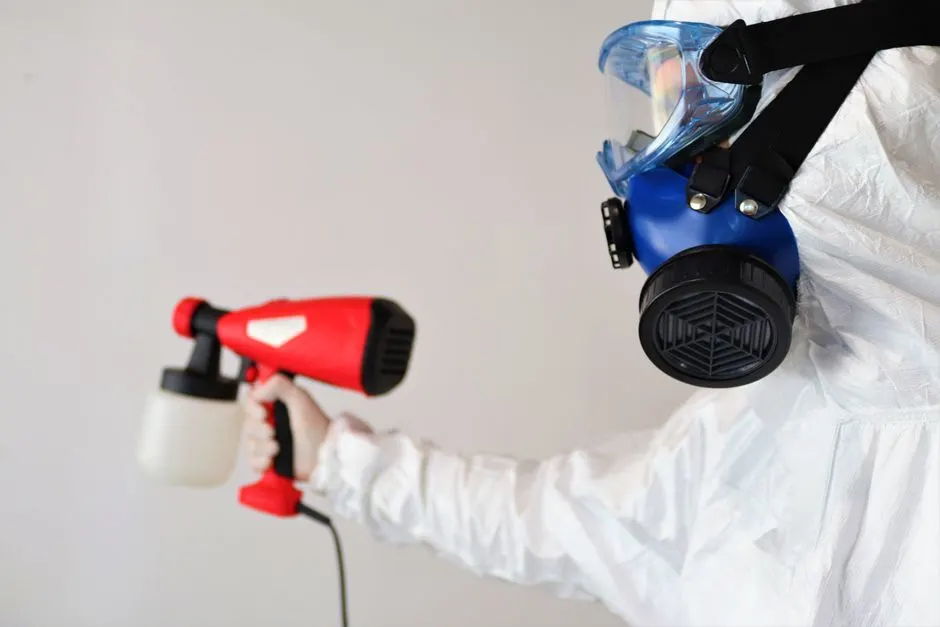
Mold removal in Elmwood Park is the work of drying out old rowhomes before the next rain. This neighborhood sits low along the Schuylkill and Delaware rivers, so basements here take on water in ways that homes on higher ground never do. We've been serving Elmwood Park since 2015, and our crews know the difference between a block near Bartram's Garden and one closer to the John Heinz National Wildlife Refuge. The housing stock is older, the sewer lines are stressed, and the humidity hangs around long after a storm passes. That combination produces black mold behind drywall, musty odors in crawl spaces, and HVAC contamination that spreads through the whole house. We handle all of it. Our IICRC WRT and AMRT technicians use thermal imaging cameras and moisture meters to find the water you can't see, then remove the mold and treat the framing so it doesn't come back. If you've been searching for mold removal in Elmwood Park PA near me, we're already on your street.
Elmwood Park sits in a flood-prone pocket of Southwest Philadelphia, and the mold problems here reflect that. We get calls for basement mold removal Elmwood Park PA after every heavy rain, crawl space issues in the older rowhomes, and HVAC contamination in homes where the air handler sits in a damp basement. Every job starts with a proper inspection, not a guess.

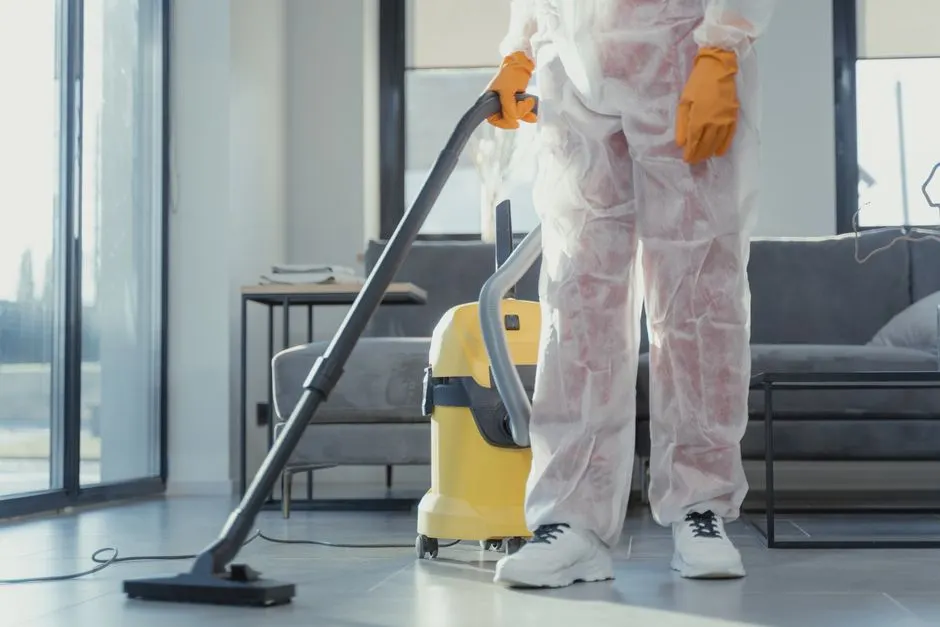

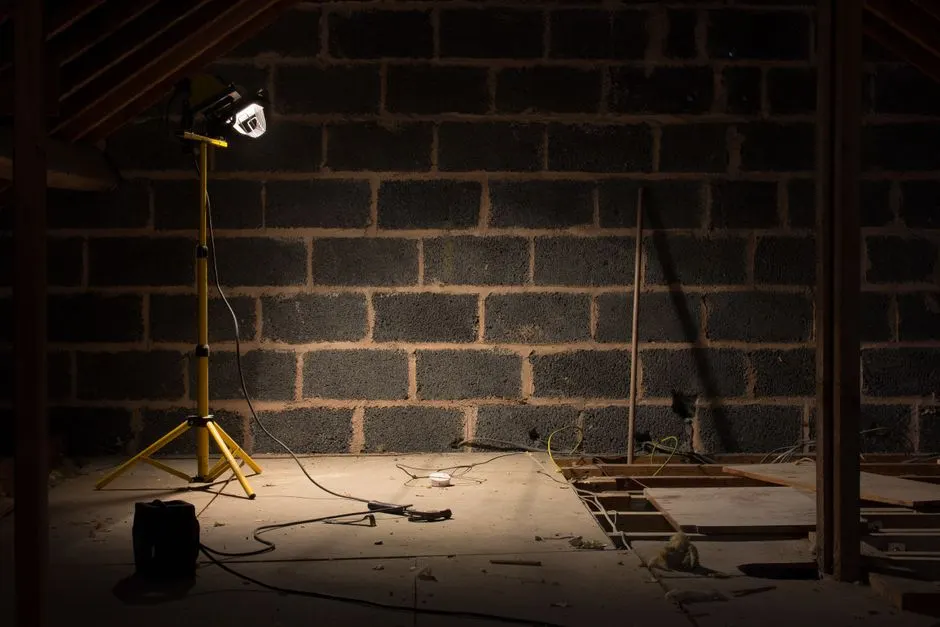
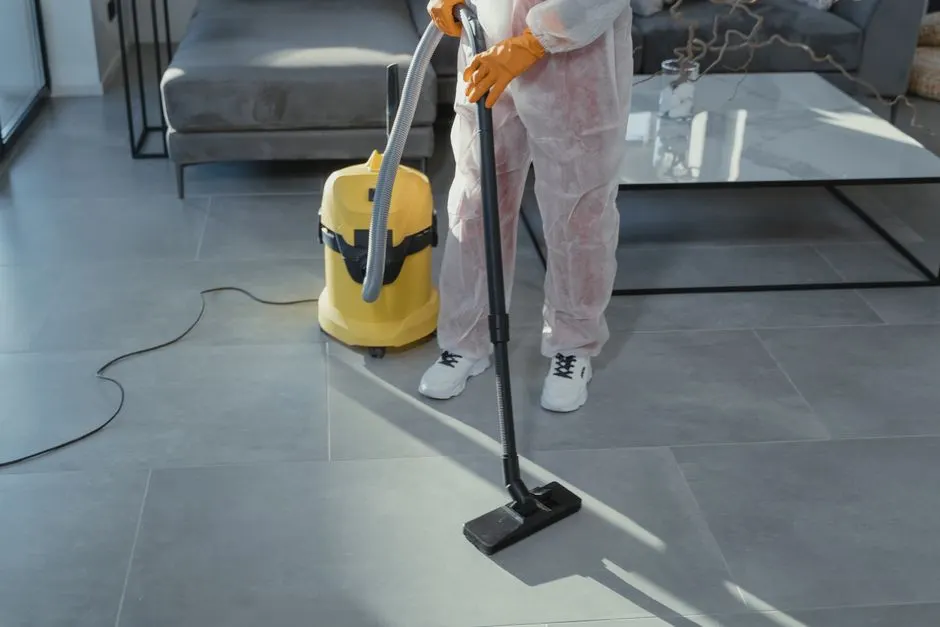
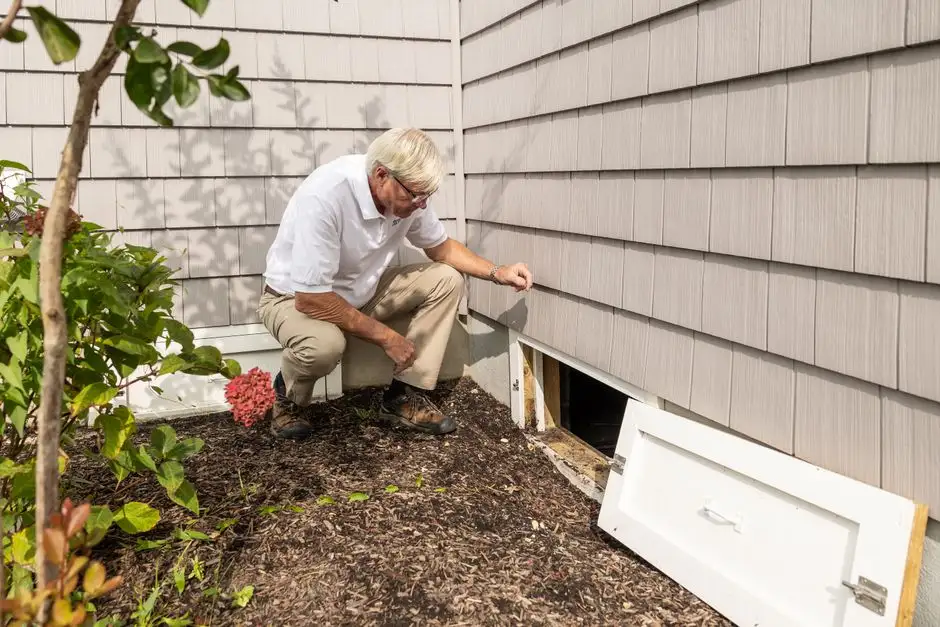
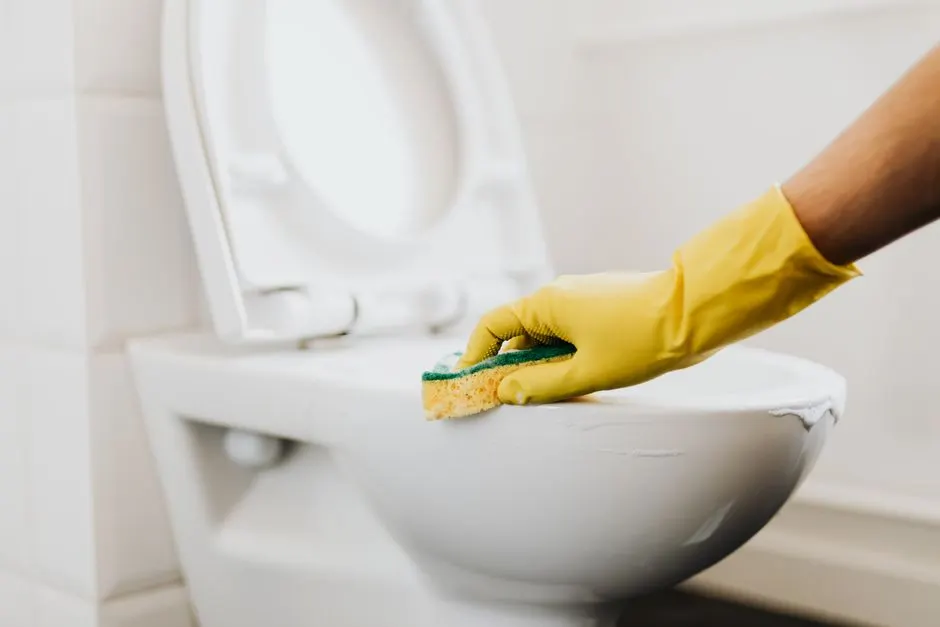
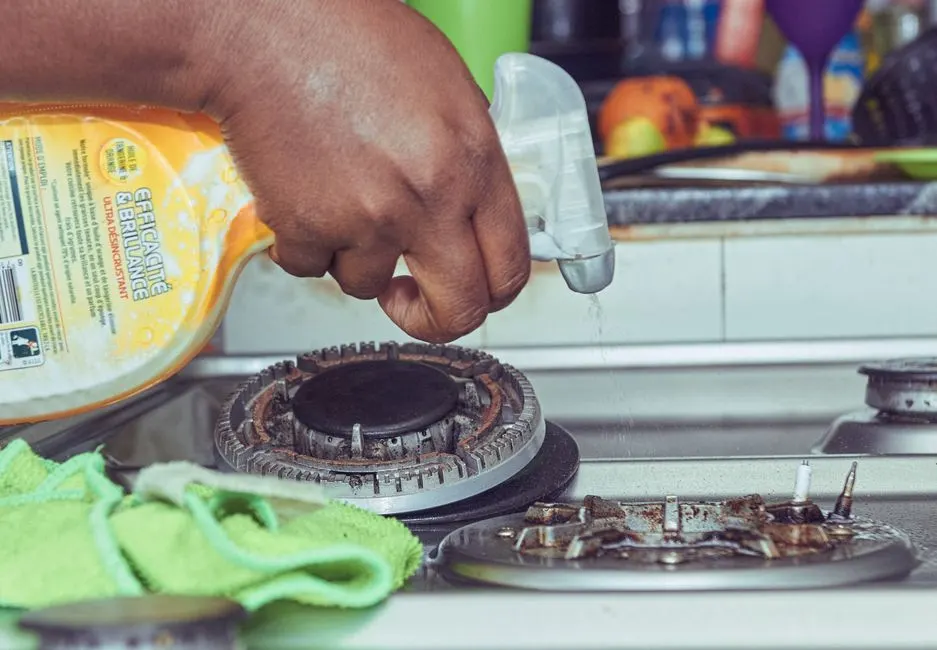
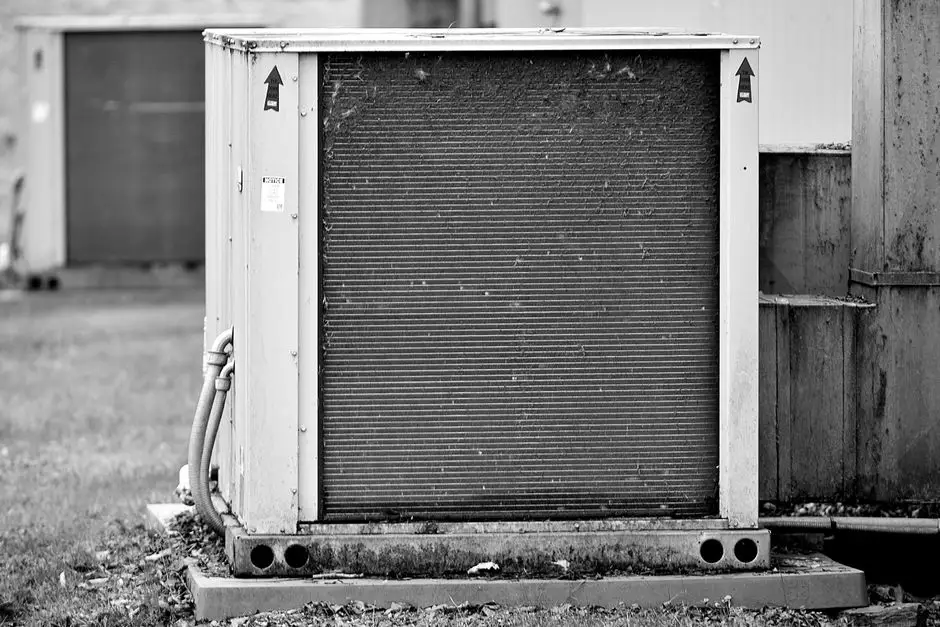
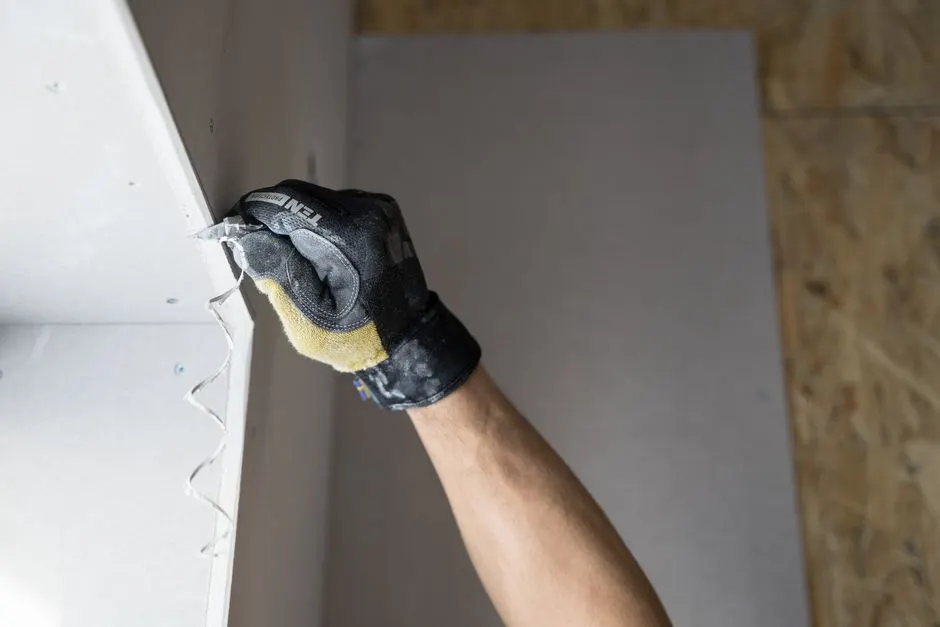
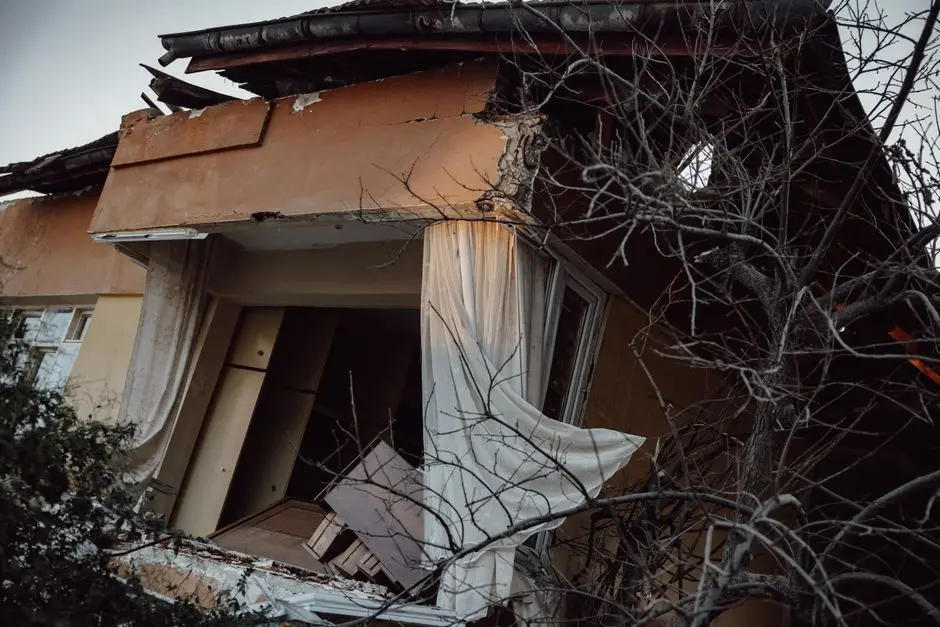





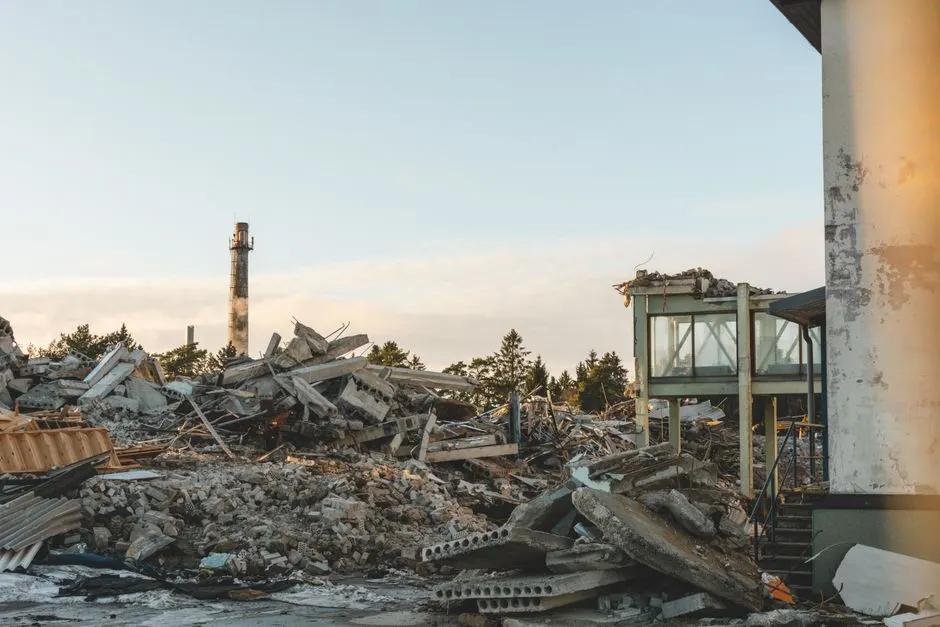
Elmwood Park's location and housing stock create specific mold problems you won't see everywhere. The neighborhood sits low near the Schuylkill and Delaware rivers, so flooding and sewer backups are regular events. The rowhomes are older, often with stone or block foundations that weep moisture. And the humidity stays high from spring through fall. Those three factors drive most of the mold calls we get here.
Elmwood Park's low elevation means the Schuylkill and Delaware rivers can push water into basements during heavy rain. Once the water recedes, the moisture stays in the block walls and floor. Mold starts growing within 24 to 48 hours if the space isn't dried properly.
Aging sewer laterals and combined storm systems cause backups in Elmwood Park during heavy rain. When sewage backs up into a finished basement, it contaminates drywall, carpet, and framing. Category 3 water requires full removal and disinfection, not just drying.
Many Elmwood Park rowhomes have dirt-floor crawl spaces with no vapor barrier. Ground moisture rises into the space year-round, and the wood joists and subfloor stay damp. That's a perfect environment for mold. The problem is worse in summer when humidity is high.
Older Elmwood Park rowhomes were built before modern attic ventilation standards. When a roof is replaced without adding proper intake and exhaust vents, warm moist air from the house rises into a cold attic and condenses on the roof deck. Mold follows within weeks.
Mold doesn't always announce itself with a big black stain. In Elmwood Park, it often starts behind drywall, under flooring, or inside a crawl space where you never look. If you've had water damage, a sewer backup, or a leak you didn't fix right away, mold is likely already growing. Here are the signs we see most often when we're called for black mold removal in Elmwood Park near me searches.
Musty odor that won't go away
A persistent musty smell usually means mold is growing somewhere you can't see. In Elmwood Park, it's often in a basement, crawl space, or behind drywall that got wet during a flood. The smell is a warning sign. If it's been there for more than a week, call for an inspection.
Visible black or green spots on walls
Black mold on basement walls or ceiling joists is common in Elmwood Park after water damage. It can also be green, gray, or white. Any visible growth means the moisture problem has been there long enough for mold to colonize. Don't paint over it. Remove it.
Peeling paint or bubbling drywall
When drywall gets wet and dries repeatedly, the paint peels and the paper facing bubbles. This is a sign of moisture behind the wall, and mold is usually close behind. We see this a lot in Elmwood Park rowhomes with slow leaks or foundation seepage.
Increased allergy symptoms indoors
If your allergies act up when you're home but improve when you leave, mold spores in the air may be the cause. This is especially common in Elmwood Park homes with HVAC contamination. An air quality test can confirm what you're breathing.
Recent water damage or sewer backup
Any flood, leak, or sewer backup in Elmwood Park should be treated as a mold risk. Mold can start growing within 24 to 48 hours. If the area wasn't fully dried within two days, assume mold is present and get it inspected.
Mold removal pricing in Elmwood Park depends on how much mold there is, where it's growing, and what's causing the moisture. A small bathroom mold job might run $500 to $1,200. A full basement remediation with drywall removal and drying equipment typically runs $2,500 to $6,000. Crawl space encapsulation adds $3,000 to $7,000 depending on the size and condition of the space. These are typical 2026 prices for this area. We give you a written estimate before we start, and we don't add charges without your approval. If you're comparing mold removal near Elmwood Park, ask for a line-item estimate so you can see what's included.
Basic Service
$89 starting · per visit
Standard Repair
$249 average job
Premium Care
$499 annual plan
When we dispatch a crew to Elmwood Park, we use the neighborhood's landmarks to orient ourselves and plan the fastest route. Bartram's Garden and the John Heinz National Wildlife Refuge are the two biggest reference points on the southwest side. Island Avenue is the main artery we use to move equipment in and out. If you're near one of these landmarks, tell us when you call and we'll know exactly where to go.
The park itself sits in the middle of the neighborhood and serves as a central reference point. If you're near the park, we can usually reach you in 10 to 15 minutes from our staging area.
Bartram's Garden is a historic botanical garden on the Schuylkill River. It's a useful landmark for orienting crews working in Kingsessing and the southern edge of Elmwood Park. If you're near the garden, we know the side streets.
The refuge sits at the southern edge of Southwest Philadelphia near the airport. It's a key reference point for Eastwick and the low-lying blocks where flooding is most common. If you're near the refuge, expect us to arrive from the Island Avenue side.
Island Avenue is the main commercial and transportation corridor through Elmwood Park. We use it to move equipment and crews in and out of the neighborhood. If your address is on or near Island Avenue, parking can be tight during the day, so we schedule larger jobs early.
Plus surrounding Philadelphia County neighborhoods, with same-day routing on most appointments.
Averaging 4.9 / 5 across verified reviews.
“Our basement flooded after a storm and the mold started growing within two days. Mold Removal Philly came out the same afternoon, extracted the water, and had drying equipment running by evening. They removed the moldy drywall, treated the walls, and passed clearance testing in under a week. The crew was professional and explained every step. I would call them again without hesitation.”
Maria S.
Eastwick
“I had a musty smell in my attic for months and couldn't figure out where it was coming from. Their technician used a thermal camera and found condensation mold on the roof deck. They removed the mold, improved the ventilation, and the smell is gone. Fair price, no upsell, and they cleaned up after themselves. Highly recommend for anyone in Elmwood Park.”
James T.
Kingsessing
“We had a sewer backup in our basement that left everything wet and contaminated. The crew arrived within two hours, suited up in PPE, and removed all the affected materials. They disinfected everything and documented the whole job for our insurance claim. It was a stressful situation, but they made it manageable. The basement is dry and mold-free now.”
Denise R.
Penrose
Elmwood Park's mold problems change with the seasons. Fall is when we see the most calls for attic condensation and roof leak mold, because temperatures drop and the heating season starts. But every season brings its own risks. Here's what to expect and what to do about it.
Spring rain and snowmelt send water into Elmwood Park basements and crawl spaces. The ground is saturated, so foundation leaks and sump pump failures are common. Mold can start growing within two days of a wet basement.
Tip: Check your sump pump before the spring rains hit. If it's more than five years old, replace it. Also clear your gutters and make sure downspouts discharge at least six feet from the foundation.
Summer humidity in Elmwood Park keeps basements and crawl spaces damp even without a flood. Air conditioning systems pull moisture out of the air, but if the condensate line clogs, water backs up into the air handler and mold grows in the ductwork.
Tip: Run a dehumidifier in your basement and check the AC condensate line monthly. If you notice a musty smell near your vents, call for an HVAC mold inspection.
Falling temperatures and the start of the heating season trigger attic condensation mold in Elmwood Park homes. Warm air rises into a cold attic and condenses on the roof deck. This is our busiest season for attic mold removal.
Tip: Have your attic inspected before winter. Look for dark stains on the roof deck and frost on the nails. Improving ventilation now prevents a bigger mold problem in January.
Winter in Elmwood Park brings frozen pipes and ice dams. When a pipe bursts, water runs into walls and ceilings, and mold can start growing before you even notice the leak. Ice dams on the roof can also send water into the attic.
Tip: Keep your basement above 55 degrees to prevent frozen pipes. If a pipe freezes, thaw it slowly with a hair dryer or heat gun, never an open flame. Call us if you see water stains on ceilings or walls.
Elmwood Park is part of a larger service region that covers Southwest Philadelphia and the neighborhoods along the Schuylkill and Delaware rivers. We dispatch from this area daily, which means shorter response times for customers in Elmwood Park and the surrounding communities. If you're in one of the nearby neighborhoods below, we can usually reach you the same day.
(City)
Center City is about 15 minutes northeast of Elmwood Park via I-95. We serve rowhomes and high-rises there with the same crews that work in Elmwood Park.
View Center City(City)
Old City is roughly 20 minutes from Elmwood Park. Historic buildings there have their own moisture challenges, and we handle them with the same IICRC-certified process.
View Old City(City)
Northern Liberties is about 25 minutes away. We get calls there for basement mold in renovated rowhomes, often after the same storms that hit Elmwood Park.
View Northern Liberties(City)
Fishtown is 25 to 30 minutes from Elmwood Park. The older housing stock there has similar moisture issues, and we serve it with the same crews and equipment.
View Fishtown(City)
Kensington is about 30 minutes away. We handle a lot of commercial and residential mold work there, often in older buildings with flat roofs and basement moisture.
View Kensington(City)
Port Richmond is roughly 30 minutes from Elmwood Park. The neighborhood's proximity to the Delaware River means flooding and sewer backups, similar to what we see in Elmwood Park.
View Port RichmondReal answers from our team for the questions we hear most often before a job starts.
If you've got mold in your Elmwood Park home, don't wait. Mold spreads fast, and the moisture source won't fix itself. We've been serving this neighborhood since 2015, and our IICRC-certified crews are ready to inspect, remove, and verify. Call us at +1 2152813400 for a same-day inspection or emergency service. We answer the phone 24/7, and we'll give you a straight answer on cost and timeline before we start.
Call +1 2152813400 or email [email protected] and we will schedule an inspection, usually the same day if you reach us before noon. Water emergencies get 24/7 response. We serve every neighborhood in Philadelphia County, from Center City to Northeast Philadelphia.
Phone
+1 2152813400Address
Pearson Avenue, Unit A Philadelphia, PA 19114
Hours
Mon–Fri: 7AM – 7PM
Sat: 8AM – 4PM
Sun: Emergency Only
24/7 Emergency Available