
Basic Service
$89 starting · per visit
- Diagnostic visit
- Written estimate
- Same-day scheduling
- 30-day warranty
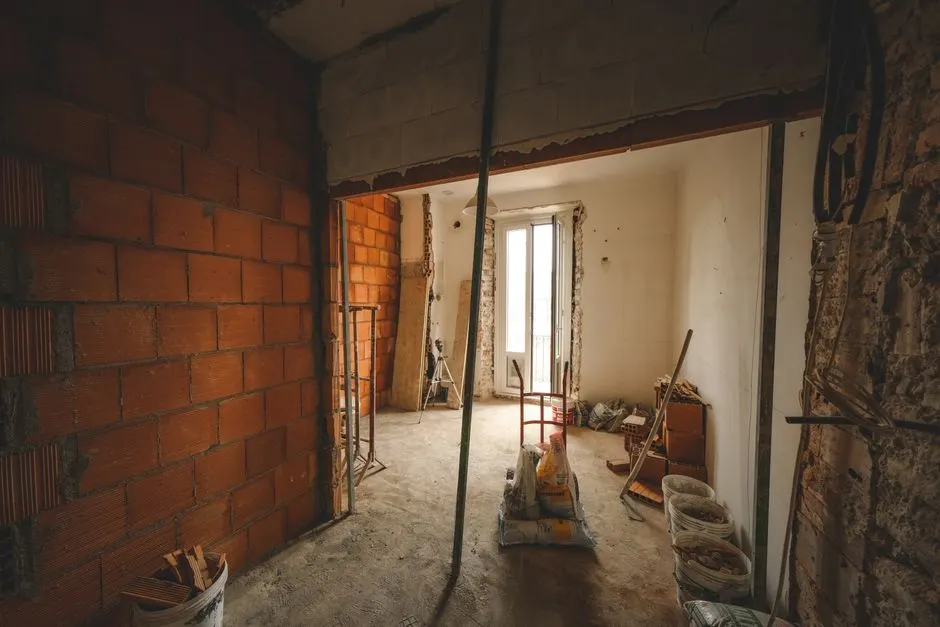
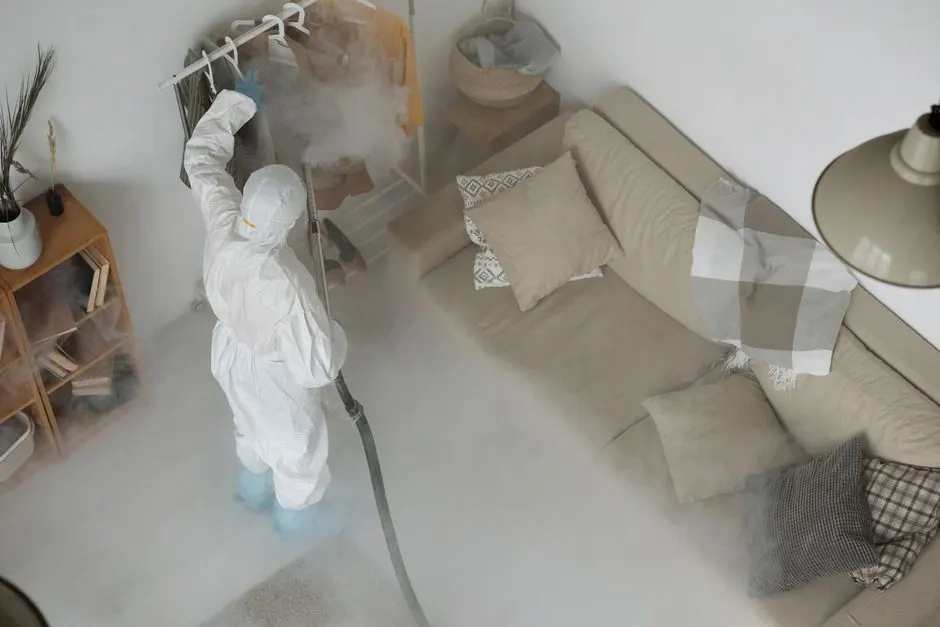
Mold removal in Chinatown is a category of work that requires understanding how water moves through buildings that were never designed for modern plumbing loads. We have been working these blocks since 2015, and we know which alleys behind Race Street flood first, which basement units near the Pennsylvania Convention Center hold moisture after every heavy rain, and how quickly a slow leak under a restaurant prep sink turns into black mold behind the wall tile. Our technicians carry IICRC WRT and AMRT certifications, and we treat every job the same way: find the moisture source, contain the affected area with negative air machines, remove what cannot be saved, and verify the result with post-remediation clearance testing. We serve residential and commercial clients across 19107 and 19123, from single-room apartments above storefronts to multi-floor commercial kitchens. If you need mold remediation services Chinatown property owners can actually reach, we answer the phone.
Chinatown properties face a specific set of mold risks: high humidity from commercial kitchens, aging plumbing in rowhouses, and flat roofs that pond water after storms. We deliver the full range of mold remediation services Chinatown PA property owners need, from a single bathroom inspection to full commercial kitchen remediation. If you have been searching for mold removal in Chinatown PA near me, this is the crew that shows up with the right equipment and the certifications to back it up.
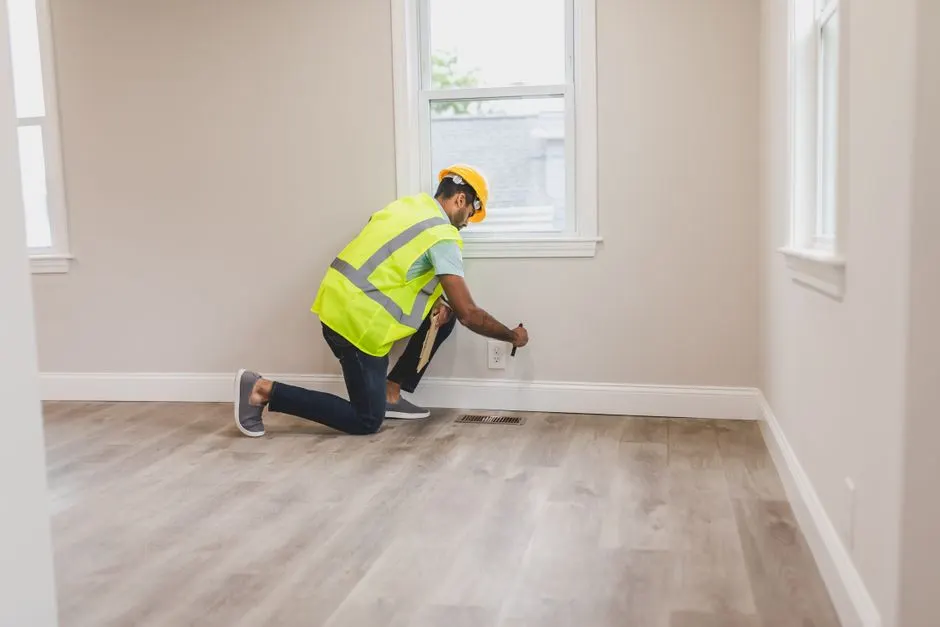
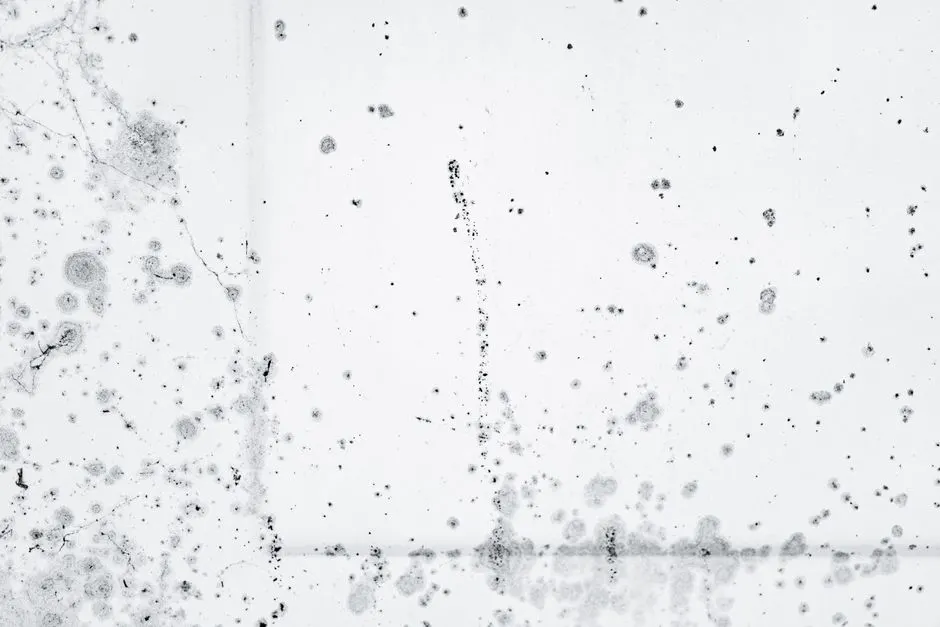
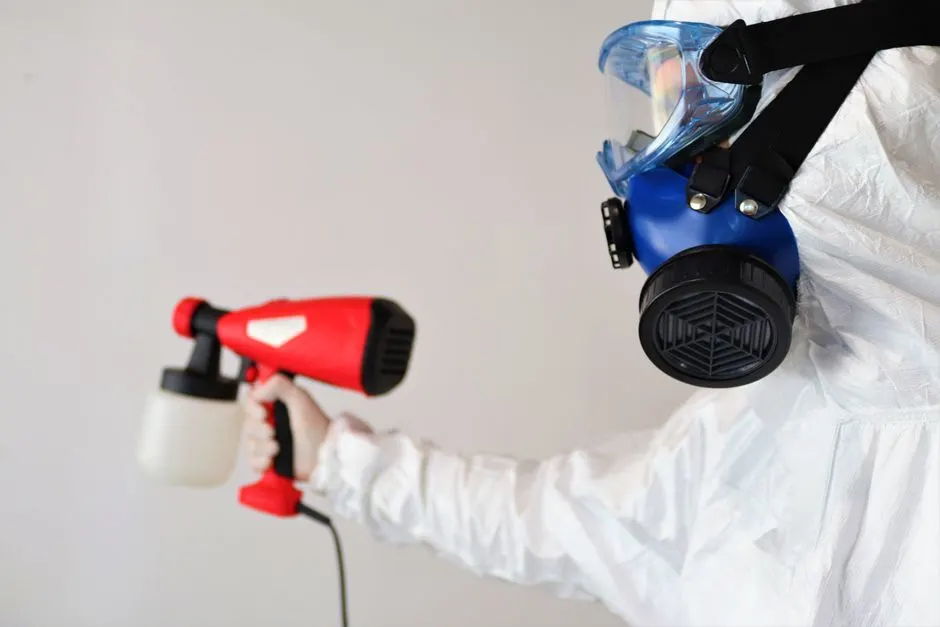
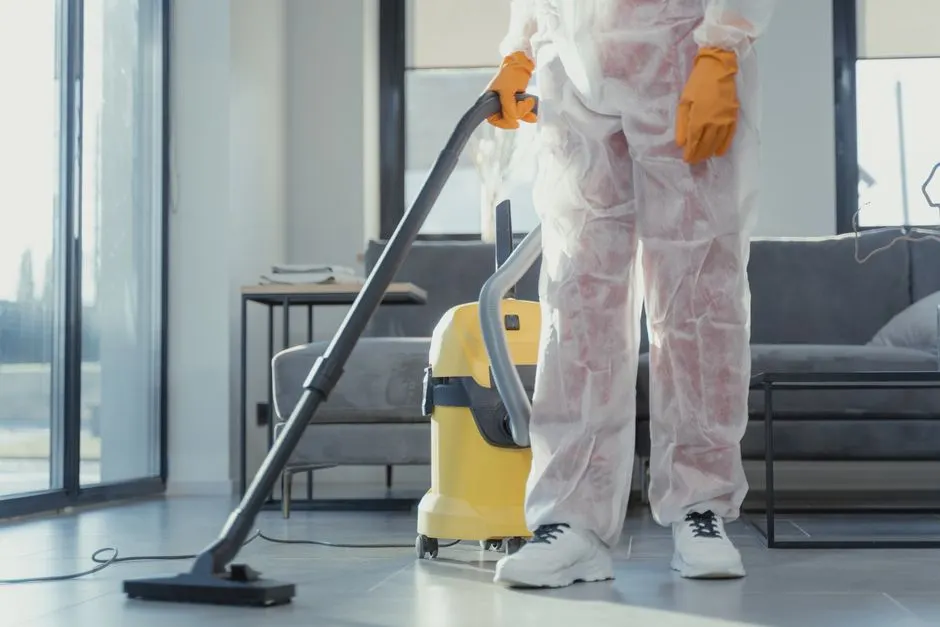
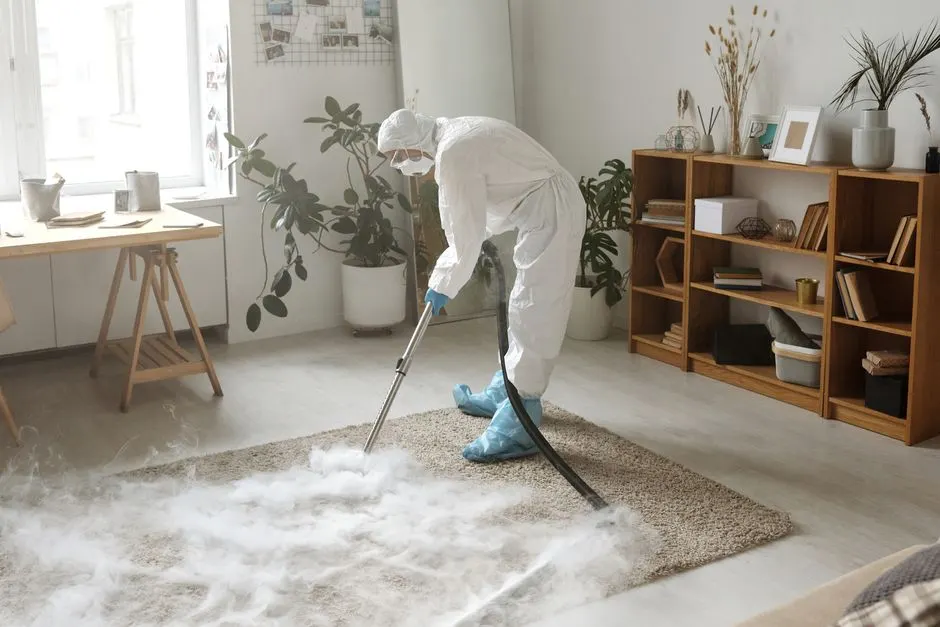
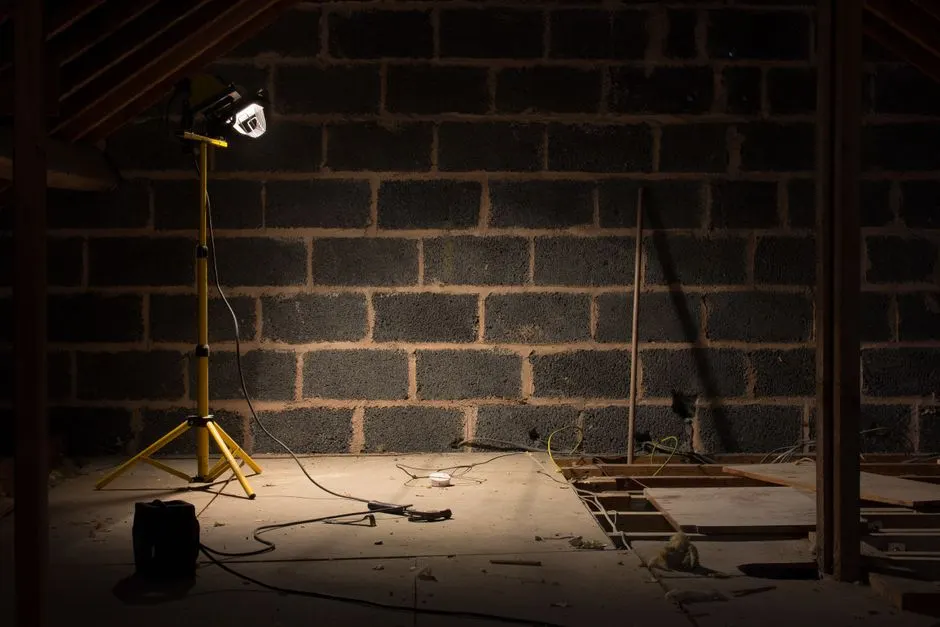
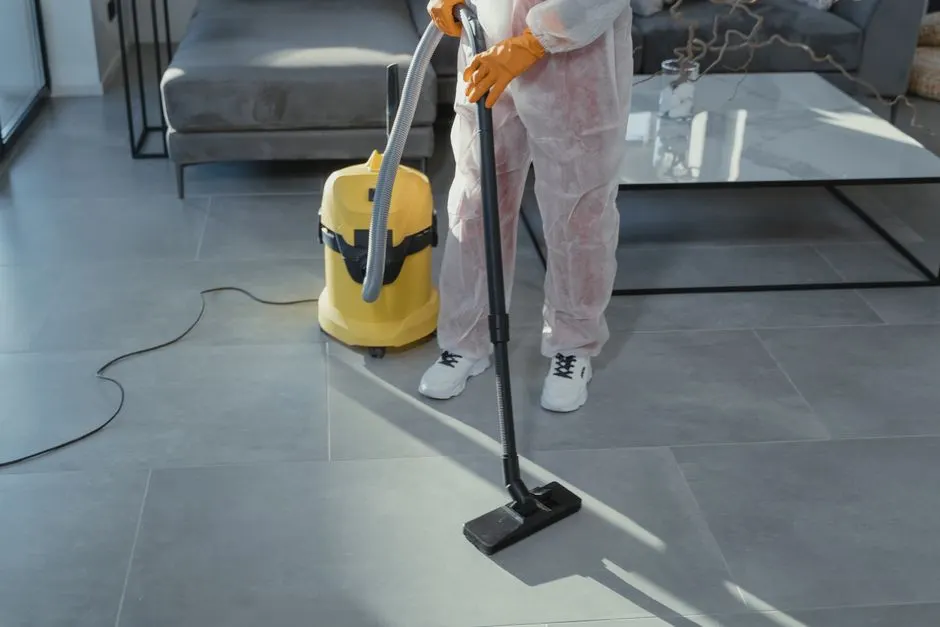
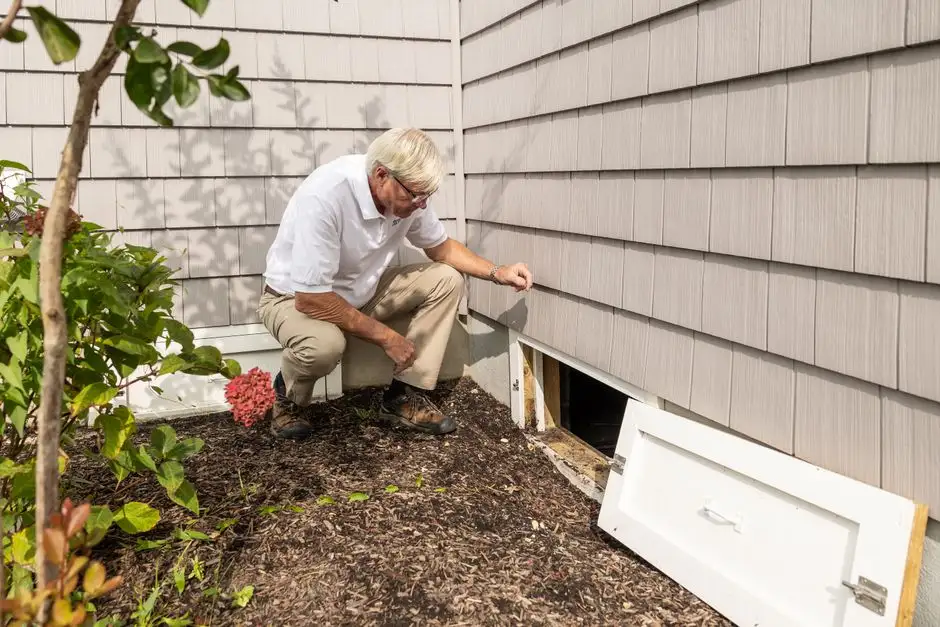
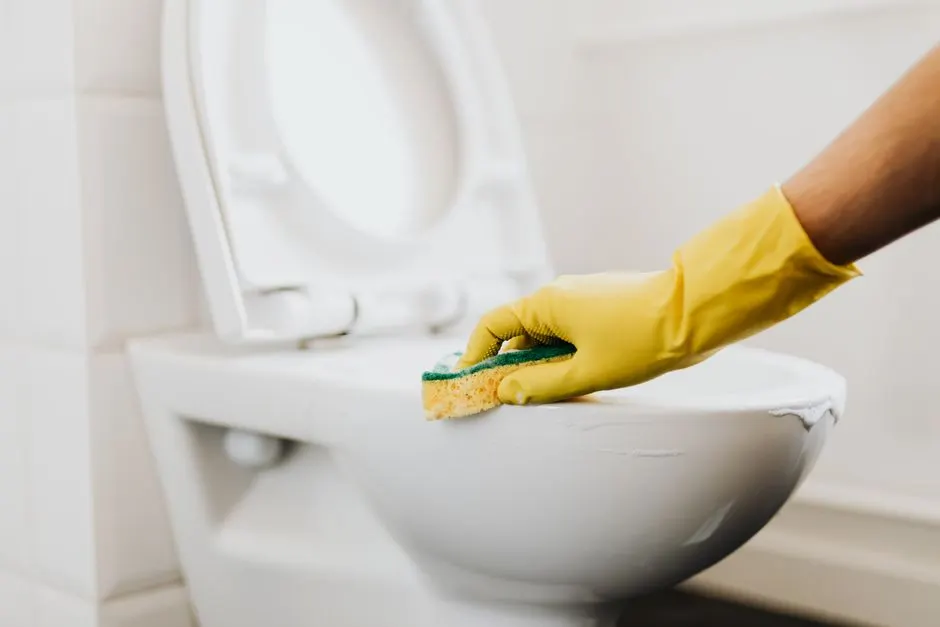
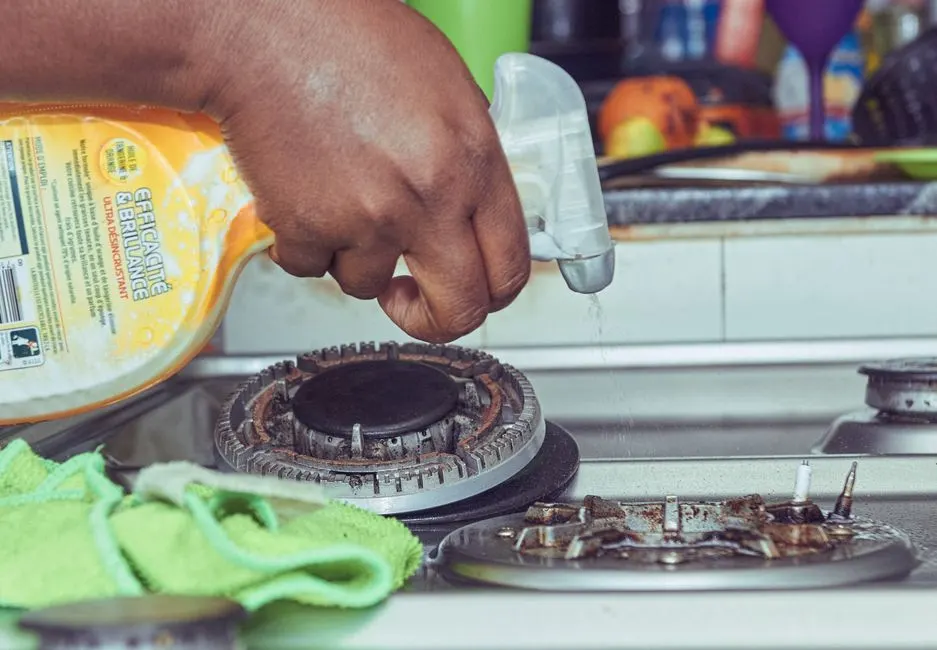
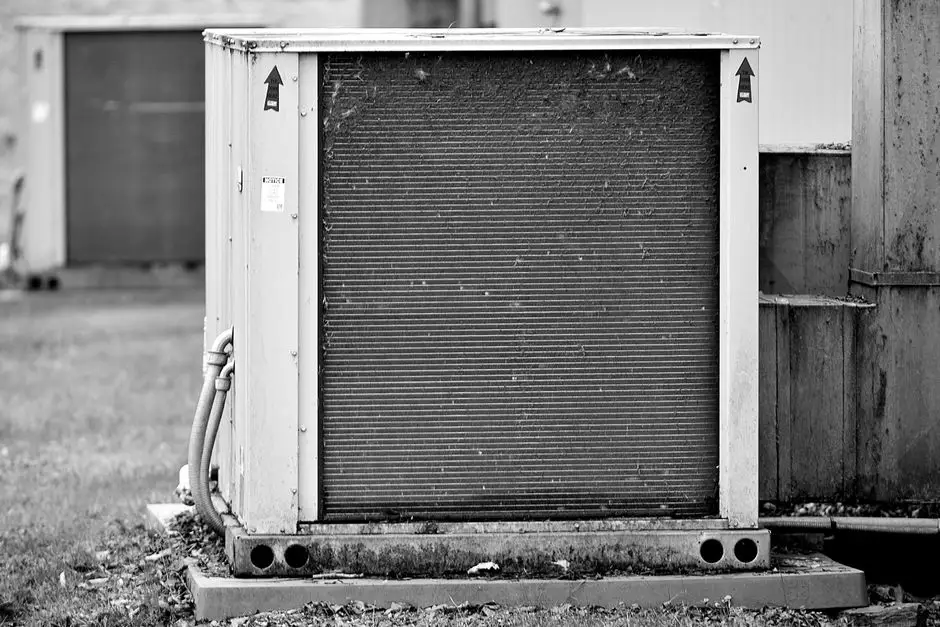
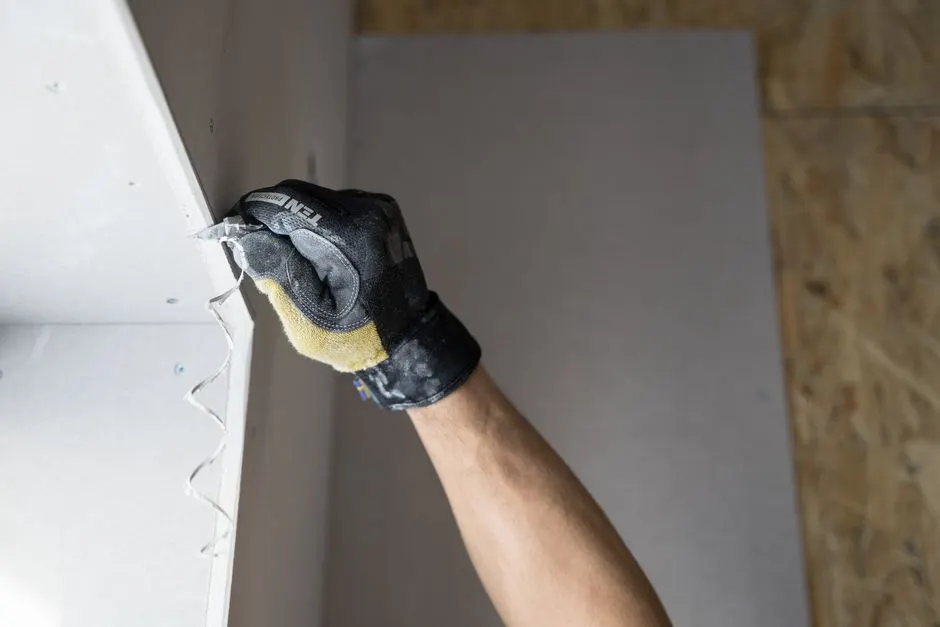
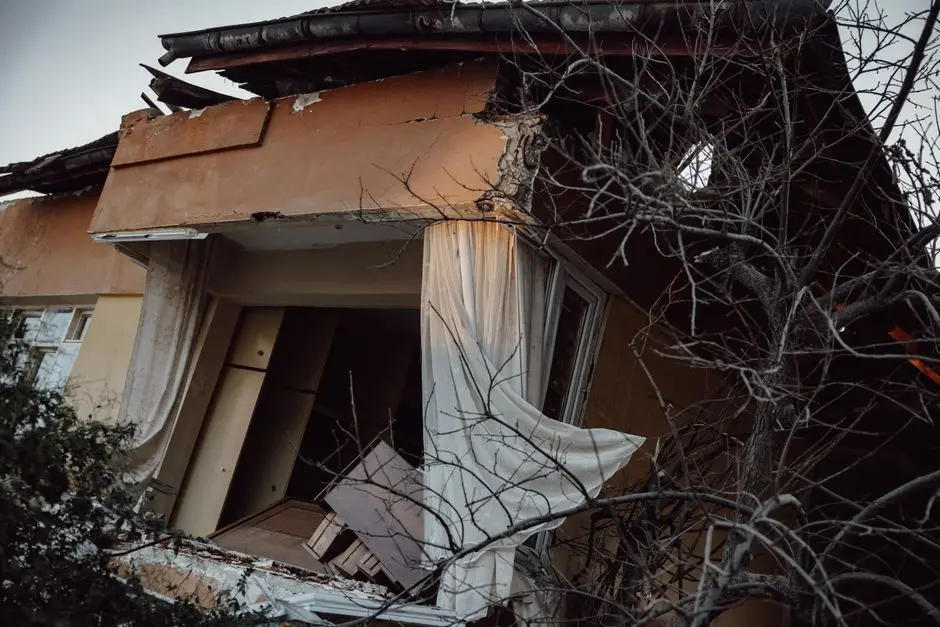


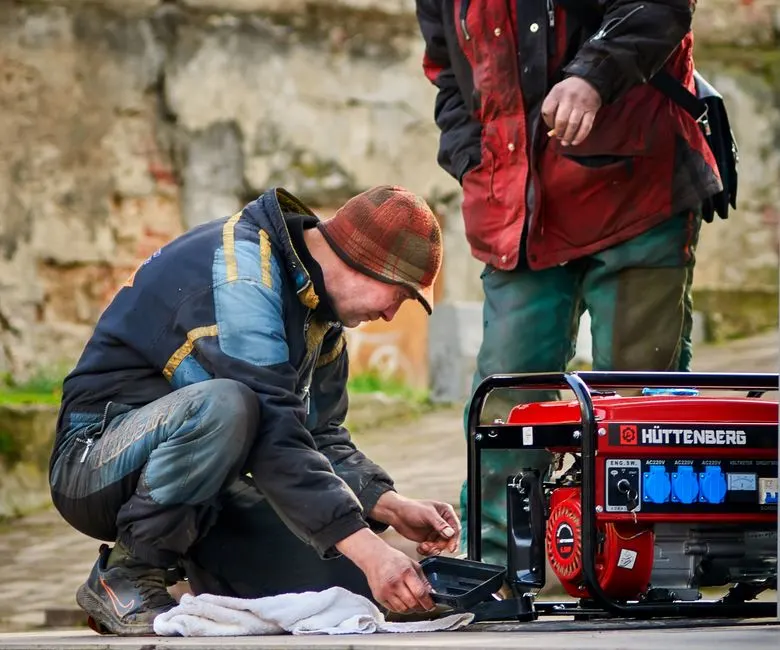
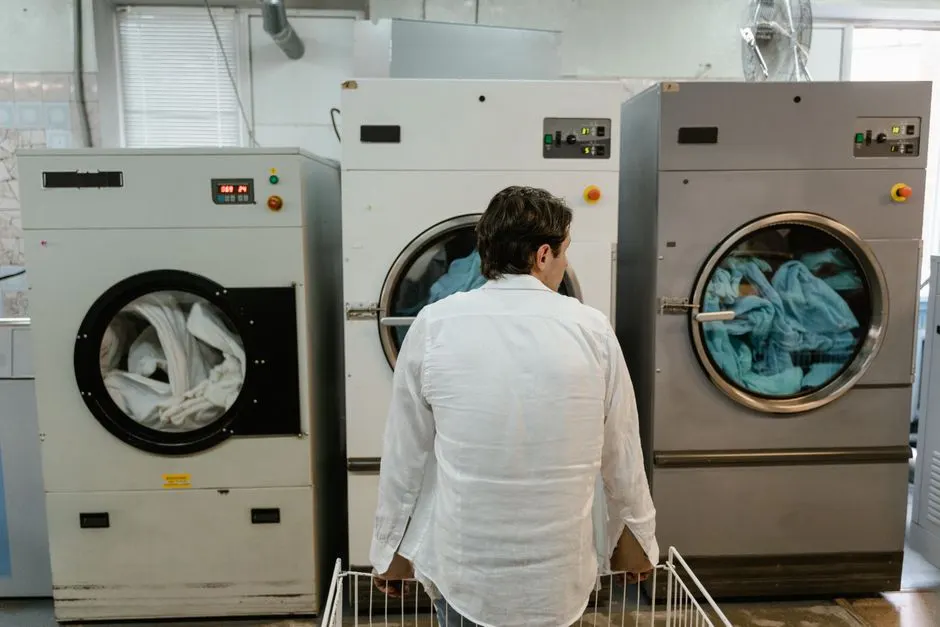
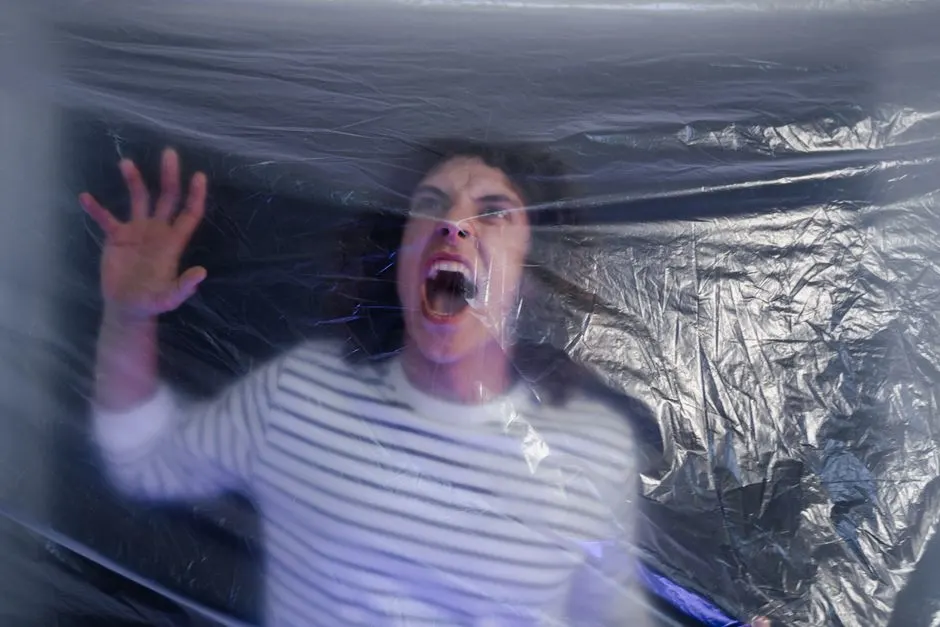
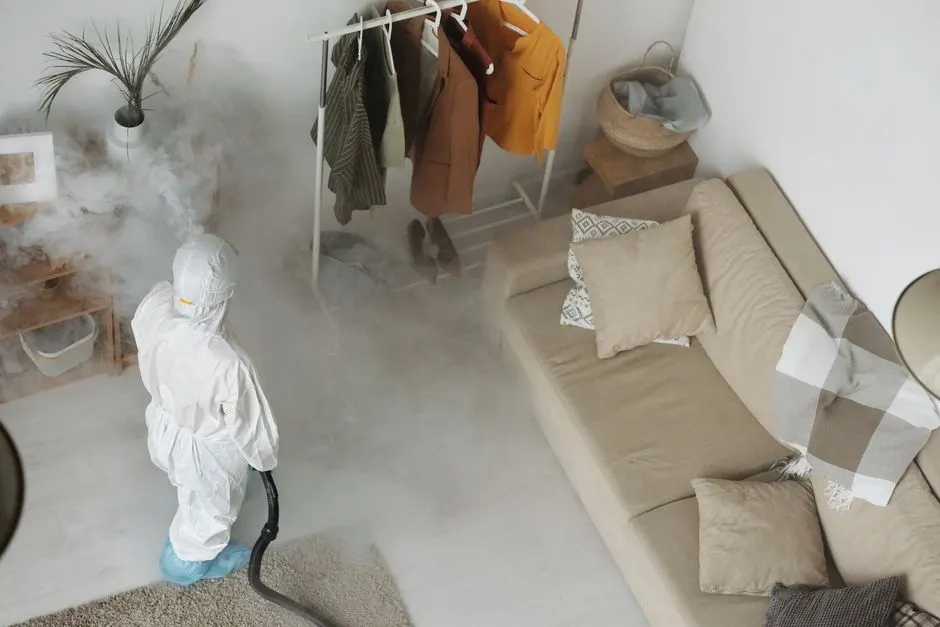
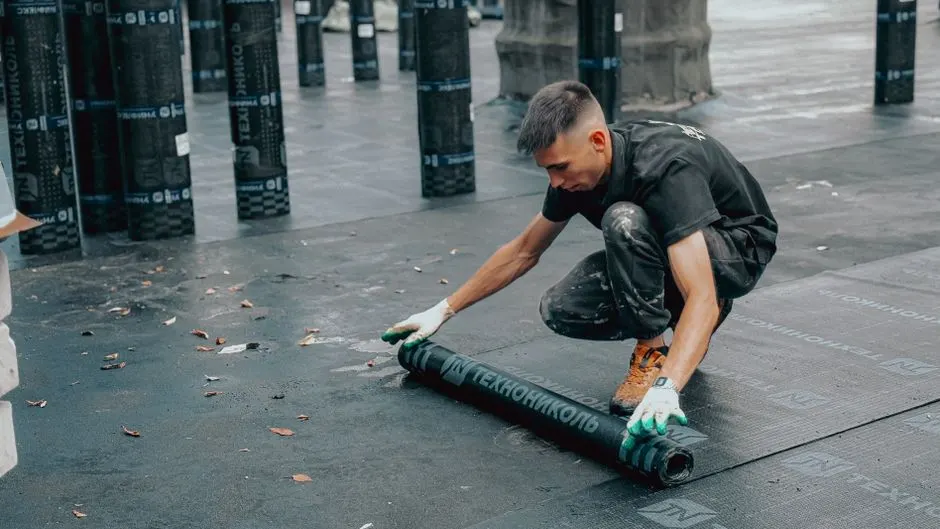
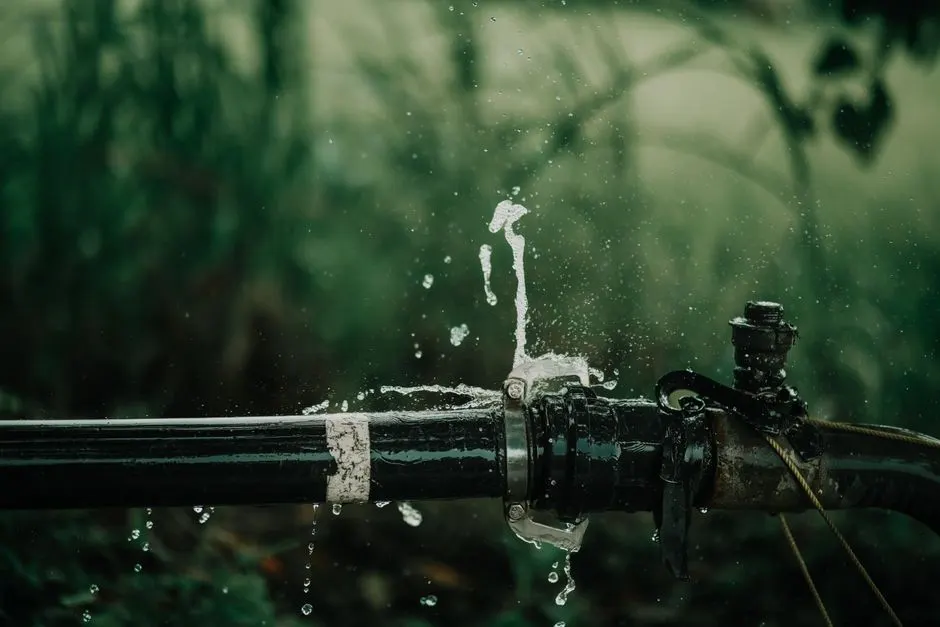
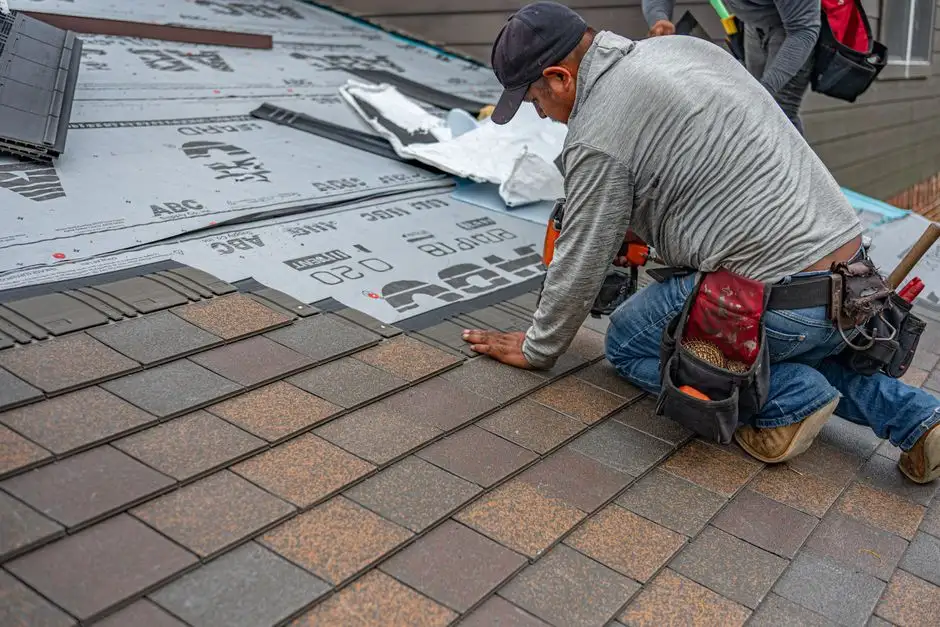

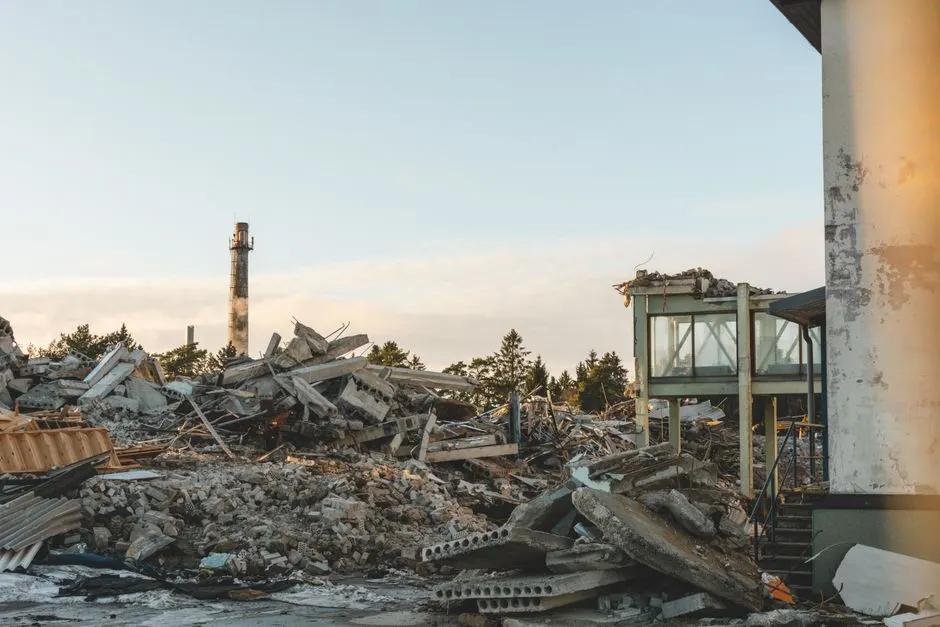
Chinatown has a specific set of conditions that lead to mold: dense construction, aging plumbing, high humidity from restaurants, and a climate that swings from humid summers to freezing winters. These are the problems we see most often.
Many Chinatown rowhouses have block or stone foundations that were never waterproofed. The water table is high in parts of 19107, and heavy rain pushes water through cracks and mortar joints. Basements stay damp, and mold grows on joists and stored items.
Slow leaks under sinks, behind refrigerators, and in shower walls go unnoticed for months. The moisture feeds mold inside the wall cavity. By the time you see it, the colony is often larger than it appears.
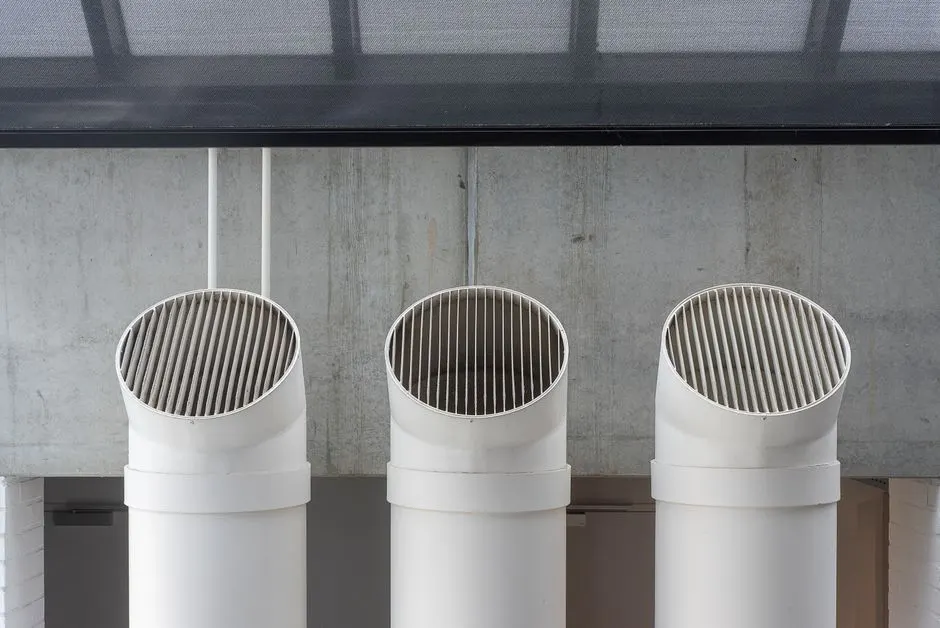
Ductwork in older Chinatown buildings collects dust and moisture. If the HVAC system serves multiple units, mold spores can spread from one unit to another. Musty odors and allergy symptoms are common signs.
Crawl spaces under Chinatown rowhouses are often unsealed and unventilated. Soil moisture rises into the space, and plumbing leaks add to it. Mold grows on joists and subfloor. The smell travels up into the living space.
Mold does not always announce itself with a big black stain. In Chinatown rowhouses and commercial buildings, it often hides behind walls, under floors, or inside HVAC systems. If you notice any of these signs, call us for an inspection. The sooner you catch it, the cheaper the fix.
Musty odor that will not go away
A persistent musty smell usually means mold is growing somewhere you cannot see. In Chinatown, it is often behind kitchen cabinets, under bathroom vanities, or inside ductwork. Air fresheners will not fix it. You need to find the source.
Water stains on ceilings or walls
Brown or yellow stains indicate a leak. Even if the stain is dry, mold may already be growing behind the surface. In older rowhouses, roof leaks and plumbing failures are common causes. We can trace the source and fix it.
Visible black or green spots on surfaces
Black mold in Chinatown bathrooms and basements is common. It often starts in grout lines, caulk, or drywall. If you see it, do not paint over it. The mold will come back. We remove it at the source.
Peeling paint or bubbling wallpaper
Moisture behind the surface causes paint to peel and wallpaper to bubble. This is a sign that water is getting in and mold may be growing. We use moisture meters to check the wall cavity and find the problem.
Allergy symptoms that worsen indoors
If you or your family members sneeze, cough, or have itchy eyes when you are home, mold spores in the air could be the cause. Air quality testing can confirm it. We can also identify the source and remove it.
Mold removal pricing in Chinatown depends on the size of the affected area, the type of materials involved, and how difficult it is to access. A small bathroom mold job might run $500 to $1,500. A full basement or commercial kitchen remediation can range from $2,500 to $10,000 or more. These are typical 2026 pricing ranges for this area. We provide a written estimate before we start, and we do not add charges without your approval. If you are comparing quotes, make sure you are comparing the same scope of work. Some companies quote low and then add charges for containment, testing, or disposal. We include all of that in our estimate.
Basic Service
$89 starting · per visit
Standard Repair
$249 average job
Premium Care
$499 annual plan
Chinatown is a compact neighborhood, but parking and access can be tricky. We use landmarks to orient our crews and plan the fastest route to your door. The Chinatown Gate at 10th and Arch is our main reference point for the eastern side of the neighborhood. Reading Terminal Market and the Pennsylvania Convention Center are useful markers for the southern and western edges. Holy Redeemer Chinese Catholic Church is a landmark we use for jobs in the residential blocks nearby. Knowing these reference points helps us stage equipment and get to you faster.
The gate at 10th and Arch is the most recognizable entry point to the neighborhood. We use it as a central reference for jobs on Arch, Race, and Cherry streets. It helps us orient new crew members and plan drop-off points.
Reading Terminal Market sits just south of Chinatown and serves as a useful marker for jobs near Market East. We use it to navigate the blocks between 11th and 12th streets and to coordinate parking for larger equipment.
The Convention Center anchors the western edge of Chinatown. We use it as a reference for jobs on Arch Street and the blocks between 11th and 13th. It also helps us avoid event-related traffic when scheduling.
The church on Vine Street is a landmark for the northern residential blocks. We use it to orient crews working on Spring Garden and Callowhill jobs. It is a helpful reference when giving arrival estimates.
Plus surrounding Philadelphia County neighborhoods, with same-day routing on most appointments.
Averaging 4.9 / 5 across verified reviews.
“We had a leak in our restaurant that we did not know about until the health inspector found mold behind the wall. Mold Removal Philly came out the same day, contained the area, and worked overnight so we could open the next morning. They handled everything and gave us the paperwork for the inspector. I cannot recommend them enough.”
Mei L.
Race Street
“Our basement flooded after a storm and we found black mold on the joists. The crew was here within an hour, extracted the water, and set up drying equipment. They removed the mold, fixed the foundation cracks, and installed a sump pump. The basement is dry now. Worth every penny.”
David C.
Callowhill
“We had a musty smell in our apartment for months. The landlord kept saying it was nothing. Mold Removal Philly found mold inside the HVAC ductwork and cleaned it out. The smell is gone and the air feels cleaner. They were professional and explained everything.”
Sarah W.
Market East
Mold grows year-round in Chinatown, but the type of problem changes with the season. Spring brings rain and foundation leaks. Summer brings humidity and HVAC issues. Fall brings roof leaks from storms. Winter brings frozen pipes and ice dams. Knowing what to expect each season helps you prevent mold before it starts.
Spring rain and melting snow push water into basements and crawl spaces. Foundation leaks that were dormant all winter become active. Mold can start growing within 48 hours of a leak.
Tip: Check your basement and crawl space after every heavy rain. If you see water or smell mustiness, call us for an inspection before mold takes hold.
Summer humidity in Philadelphia is high, and Chinatown restaurants add even more moisture to the air. HVAC systems run constantly, and if they are not maintained, mold can grow in the ductwork. Basements stay damp.
Tip: Run a dehumidifier in your basement or crawl space. Change your HVAC filters monthly. If you notice a musty smell, have your ducts inspected.
Fall storms and nor'easters bring heavy rain and wind. Roof leaks are common, especially on older buildings with flat roofs. Water gets into attics and ceilings, and mold can start before you notice the stain.
Tip: Clean your gutters before winter. Check your attic for signs of leaks after every storm. If you see water stains, call us for a roof leak repair and inspection.
Freezing temperatures cause pipes to burst, especially in older rowhouses with uninsulated supply lines. Ice dams on roofs force water under shingles and into attics. Both create ideal conditions for mold.
Tip: Insulate exposed pipes in basements and crawl spaces. If a pipe freezes, thaw it slowly and check for leaks. If you have water damage, call us immediately for emergency extraction.
We serve Chinatown and the surrounding Philadelphia neighborhoods as part of a cohesive service region. If you are just outside Chinatown, we can usually still help. These are the nearby areas we cover most often.
(City)
Center City is immediately south and west of Chinatown. Many of our Chinatown customers also own property in Center City, and we handle both.
View Center City(City)
Old City is just east of Chinatown. We serve both neighborhoods and often work jobs that span the border near Market Street.
View Old City(City)
Northern Liberties is north of Chinatown, across Spring Garden. We cover both areas and can usually schedule same-day service.
View Northern Liberties(City)
Fishtown is a short drive northeast of Chinatown. We serve Fishtown regularly and can coordinate crews across both neighborhoods.
View Fishtown(City)
Kensington is north of Chinatown along the waterfront. We handle mold remediation and water damage jobs throughout the area.
View Kensington(City)
Port Richmond is northeast of Chinatown. We serve the neighborhood and can usually reach it within 30 to 45 minutes.
View Port RichmondReal answers from our team for the questions we hear most often before a job starts.
If you have mold in your Chinatown home or business, do not wait. Mold spreads fast, and the longer you wait, the more it costs to fix. We offer free estimates, 24/7 emergency response, and same-day service for most calls. Our crews are IICRC certified and fully insured. Call us now at +1 2152813400 or fill out the form on this page. We will get back to you within 15 minutes during business hours.
Call +1 2152813400 or email [email protected] and we will schedule an inspection, usually the same day if you reach us before noon. Water emergencies get 24/7 response. We serve every neighborhood in Philadelphia County, from Center City to Northeast Philadelphia.
Phone
+1 2152813400Address
Pearson Avenue, Unit A Philadelphia, PA 19114
Hours
Mon–Fri: 7AM – 7PM
Sat: 8AM – 4PM
Sun: Emergency Only
24/7 Emergency Available